Apple Watch battery replacement costs and considerations
As lithium-ion degradation sets in, Engadget reports on the economics of repairing versus upgrading Apple’s wearable lineup under current service policies.
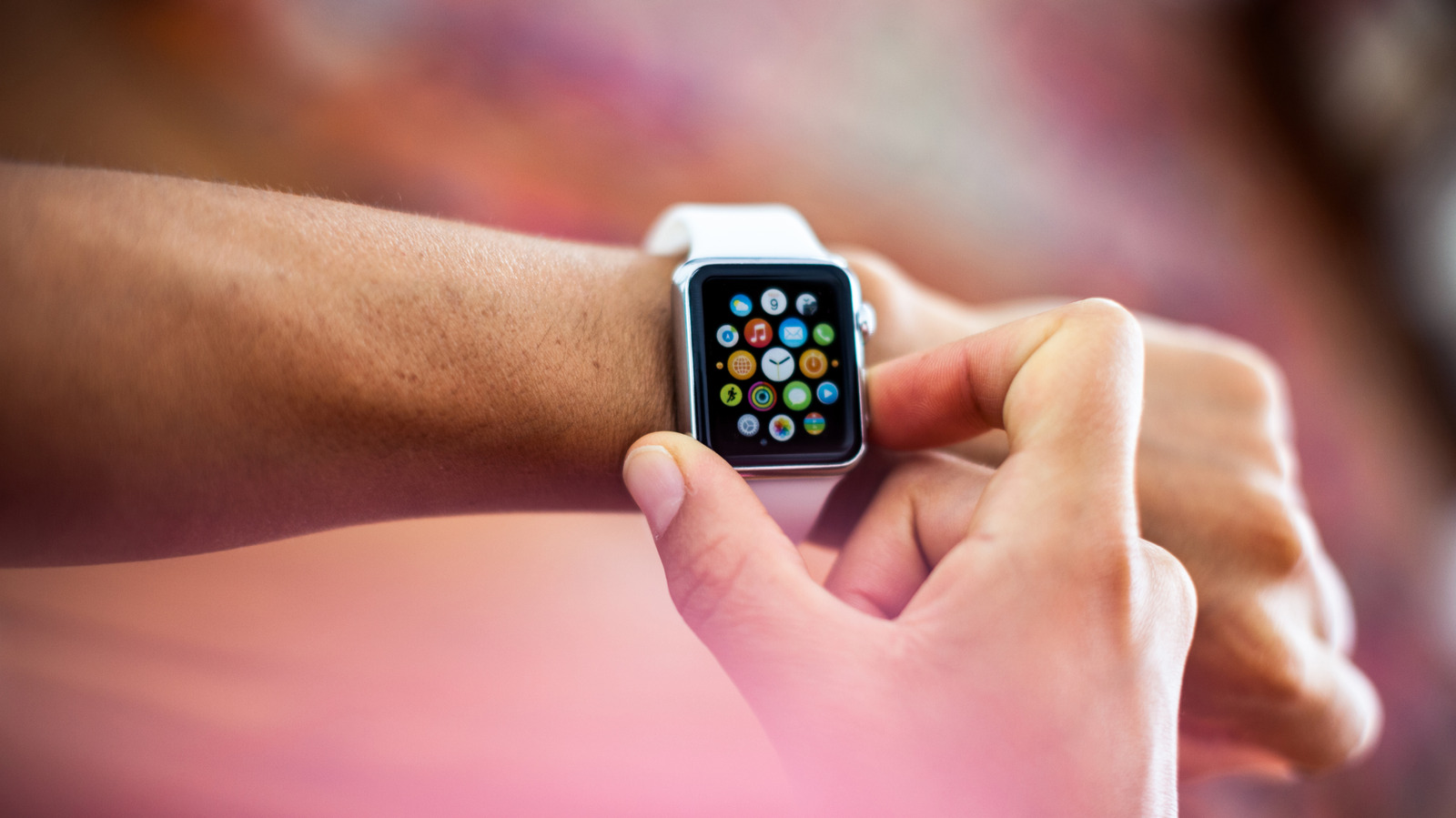
Apple has established a flat $99 fee for Apple Watch battery replacements through authorised providers, a service designed to extend the longevity of wearable devices that have outlived their warranty periods. According to a report by Engadget, the replacement process typically takes approximately one week and can be arranged directly through Apple or authorised retailers such as Best Buy, which offer the same repair service at an equal cost.
The service is intended to mitigate the effects of lithium-ion battery degradation, which causes devices to drain faster and require more frequent recharging. However, the $99 fee applies to out-of-warranty replacements and does not cover normal battery depletion over time. An active AppleCare plan can cover battery issues, but only if the battery capacity drops below 80%, and it still involves service fees or deductibles.
Users must weigh repair costs against software support limitations when deciding whether to replace a battery or upgrade to a new model. The latest watchOS 27 restricts compatibility to Apple Watch Series 9, SE 3, and Ultra 2 models and newer. The previous generation, watchOS 26, supports devices back to the Apple Watch Series 6 and second-generation SE, meaning models such as the Series 5 and first-generation SE reached end of life for software support in September 2024.
While older watches continue to function with modern iOS releases, newer Apple Watch models cannot pair with older iPhones. For instance, the Apple Watch Series 11 requires an iPhone 11 or newer running iOS 26 or later. Engadget notes that while background cards regarding Google AI watermarks and Android app store regulations are unrelated to this core event, the broader tech landscape continues to tighten compatibility requirements across ecosystems.
For those considering a do-it-yourself approach, iFixit sells batteries only for the original and Series 1 models, though guides are available for newer models using third-party parts. However, Engadget advises against this unless users are comfortable handling intricate repairs, citing potential risks. Given that Apple Watches generally do not hold their resale value as long as other Apple products, users may not recoup the battery investment if they plan to resell the device.
Engadget suggests replacing the battery for Apple Watch Series 6 and 7 models and above, which remain compatible with watchOS 26, as a cost-effective way to extend device life. For watches older than five years, upgrading to a newer model is likely the more prudent financial decision, particularly when considering the declining resale value and the inability to access the latest software features.