Apple warns of supply constraints for Mac mini, Studio and Neo following AI-driven demand surge
CEO Tim Cook says the company was surprised by rapid uptake of models like OpenClaw and enterprise usage by firms such as Perplexity, noting it may take several months to restore balance
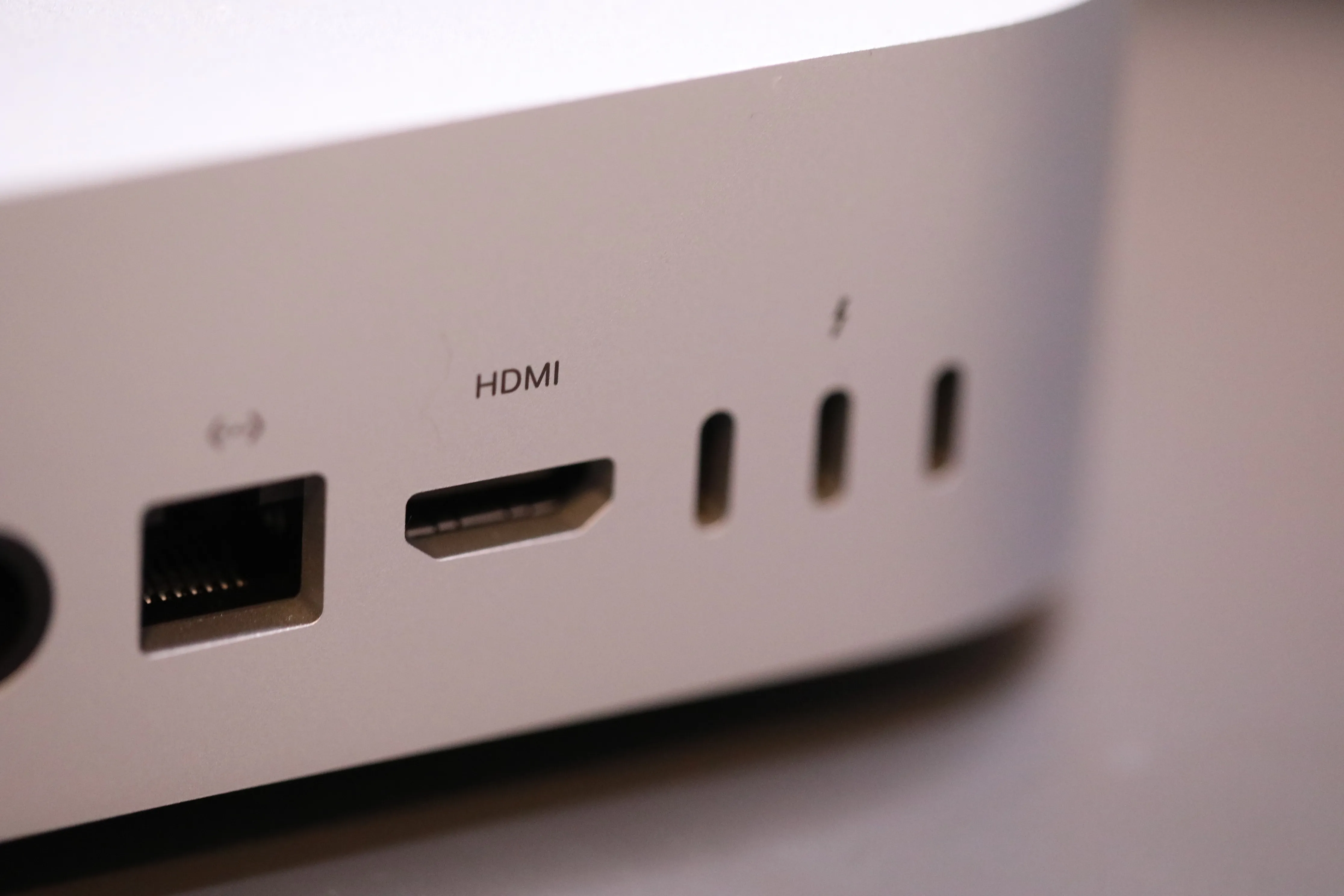
Apple has warned that supply constraints will affect the Mac mini, Mac Studio and MacBook Neo in the upcoming quarter, following an unexpected surge in demand driven by artificial intelligence workloads. While the company reported a 6 per cent year-on-year increase in Mac sales, reaching $8.4 billion, CEO Tim Cook acknowledged that production capacity has been outpaced by customer appetite for these specific devices.
The growth in Mac revenue surpassed analyst expectations, which had forecasted figures in the low $8 billion range and anticipated sales to remain essentially flat. However, the segment remained flat on a quarter-over-quarter basis, indicating that the new AI-driven demand has not yet fully scaled. The total revenue for the quarter ended March 28 was $111.2 billion, a 17 per cent increase from the previous year, driven largely by services and iPhone sales.
Cook stated that the company was taken aback by the rapid adoption of local AI models, such as OpenClaw, particularly among enterprise clients. He noted that firms like Perplexity have adopted Macs as their preferred platform for building enterprise-grade AI assistants, a shift that accelerated demand faster than Apple had predicted. This enterprise uptake, combined with consumer interest, has created a significant strain on available inventory.
The MacBook Neo, which launched in early March following preorders on March 4, has seen what Cook described as "off the charts" demand. The device has gained traction in educational sectors, with school systems such as Kansas City Public Schools replacing Chromebooks with the new machine. Most units began shipping in mid-to-late March, yet the velocity of sales has exceeded initial projections for the short time window available.
In the Chinese market, the Mac mini has emerged as the top-selling desktop, fuelled by what Cook described as an "OpenClaw frenzy". Cook highlighted that both the Mac mini and Mac Studio are "amazing platforms for AI and agentic tools", and the customer recognition of this capability is occurring more rapidly than anticipated. Consequently, Apple warned that it may take several months to restore a supply-demand balance for these models.
Despite the beat against expectations, the situation highlights the volatility of the current market landscape. Cook explained that the constraint is not due to a fundamental production problem, but rather because the company under-called the demand. He cautioned that the company is not at the point where the issue is expected to resolve anytime soon, leaving investors to await further clarity on production scaling.
