Apple warns of months-long supply delays for Mac mini and Mac Studio amid chip constraints
Advanced SoC nodes are constrained, pushing ship times to weeks or months while memory costs are expected to rise significantly in the coming quarter.
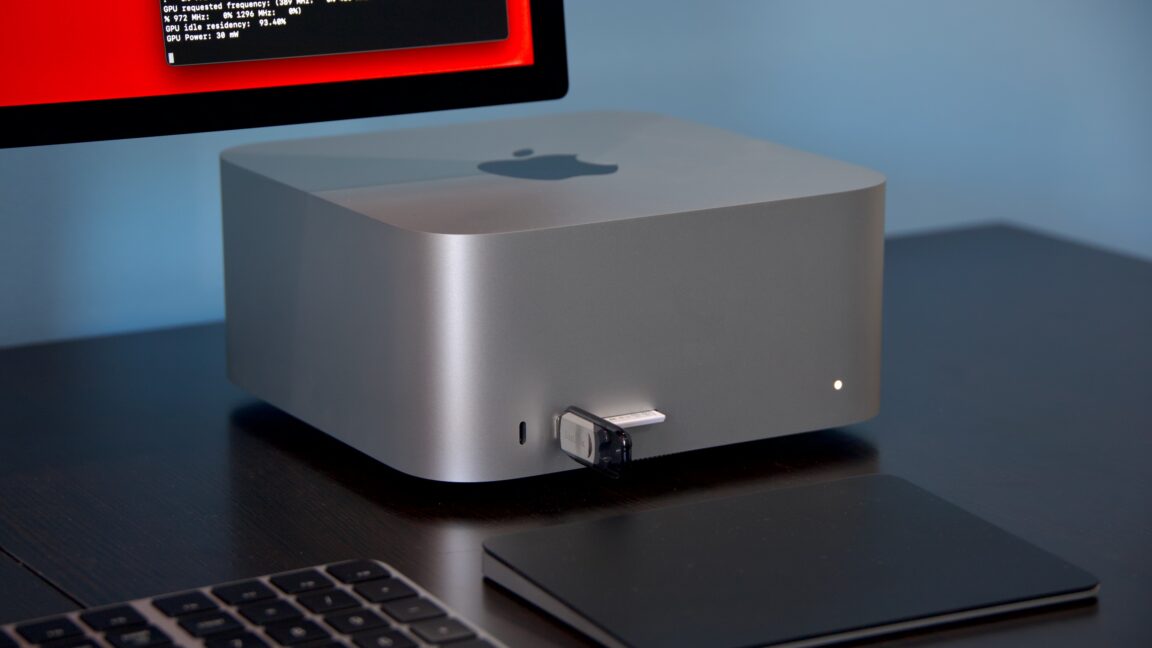
Apple CEO Tim Cook confirmed during the Q2 2026 earnings call that supply for the Mac mini and Mac Studio remains unbalanced, with an estimated timeline of several months required to reach equilibrium between production and demand. The shortfall is driven by a combination of constrained advanced manufacturing nodes for System-on-Chip (SoC) production at TSMC and unexpectedly high demand from users deploying local AI agents and agentic tools.
While the iPhone supply chain faces more severe impacts, Mac availability is also significantly affected, with multiple configurations listed as currently unavailable and ship times extending to weeks or months. A top-end Mac Studio configuration featuring 512GB of RAM has been delisted from Apple's online store entirely, reflecting the severity of the bottleneck in the desktop segment.
Cook noted that the availability of advanced manufacturing nodes for SoCs is constrained, leaving Apple with less flexibility in the supply chain than usual. He stated that these constraints primarily affect the iPhone, though the impact on the Mac division is to a lesser extent. The company is also navigating the transition to M5-series chips later in 2026, which often leads to extended ship times for existing inventory as replacements approach.
In contrast to the desktop units, the MacBook Neo remains widely available with standard delivery windows of two to three weeks, alongside same-day pickup options at third-party retailers. This availability has contributed to record customer response, supporting a 6 per cent year-over-year growth for the Mac division in Q2 2026, despite the specific bottlenecks affecting the Mac mini and Mac Studio.
Looking ahead, Apple anticipates significantly higher memory costs for Q3 2026, which will increasingly impact business operations. Cook highlighted that memory costs will drive an increasing impact on the business going forward, adding another layer of financial pressure as the company works to balance supply with the surging demand for AI-capable hardware.
Despite these supply chain headwinds, the broader financial picture remains robust. Apple reported revenue of $111.2 billion for the quarter, a 17 per cent increase over the same period in 2025, supported by strong growth from iPhone 17 sales and its Services division.
