Apple unveils watchOS 27 with Siri AI integration and hardware restrictions
The autumn 2026 update introduces a dedicated Siri app, a dynamic interface, and enhanced health metrics, though availability in the European Union remains restricted.
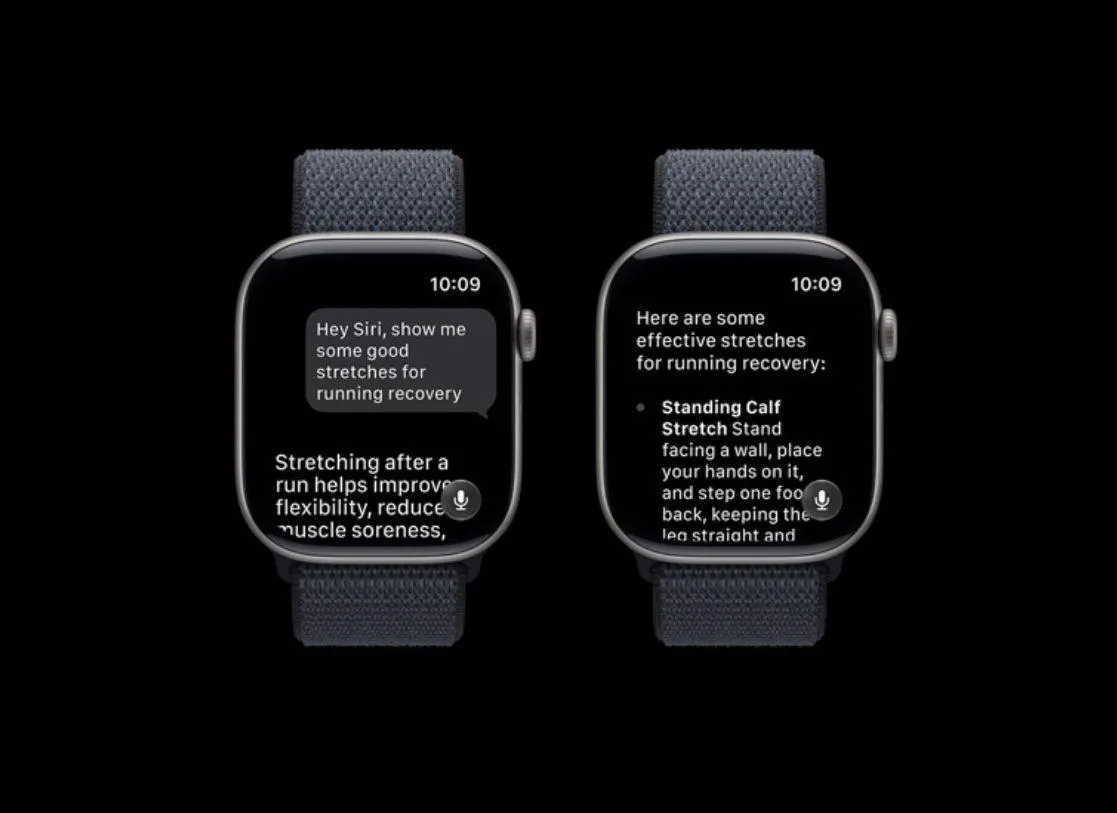
Apple has announced watchOS 27, the latest iteration of its wearable operating system, scheduled for release this autumn. The update centres on the integration of "Siri AI," powered by Apple Intelligence, which introduces a dedicated app for managing conversations and executing actions such as playing music or setting fitness goals. Key interface changes include a redesigned "dynamic" app grid that highlights Siri-suggested applications. Health and fitness capabilities have been expanded, featuring enhanced Workout Buddy insights, perimenopause notifications, and Spanish language support for Workout Buddy. General system refinements include battery optimisation, faster music playback, refined Liquid Glass aesthetics, and a new gesture for selecting widgets. Support is restricted to Apple Watch Series 10 and newer models, including the Ultra 2, Ultra 3, and SE 3. The Siri AI feature requires pairing with an Apple Intelligence-enabled device and is currently unavailable in the European Union on iOS and iPadOS devices.
The most significant addition to watchOS 27 is the introduction of Siri AI, a next-generation virtual assistant that consolidates user interactions into a single, dedicated application. According to Apple, this new app brings together all conversations in one place, allowing users to initiate chats directly from their wrist or continue sessions started on an iPhone. The assistant is designed to perform actions within apps, such as playing songs, sending emails, or setting Activity ring goals, without requiring users to navigate through menus. This functionality represents a shift toward more autonomous interaction on the wearable platform, leveraging the broader Apple Intelligence ecosystem.
Interface navigation has been overhauled with the introduction of a "dynamic" app grid. This redesign places the Siri app at the centre of the screen, surrounded by the user’s most popular and recently used applications. The system automatically highlights Siri-suggested apps, aiming to streamline access to frequently used tools. Additional interface improvements include a more streamlined Find My app experience for locating devices, suggestions for additional widgets in the Smart Stack, and a refined Liquid Glass aesthetic intended to improve text readability. A new gesture allows users to select widgets in the Smart Stack by tapping their index finger and thumb together.
Health and fitness tracking features have received targeted updates, particularly for Workout Buddy, the AI-powered personal trainer introduced in the previous year. WatchOS 27 provides enhanced insights into pace, distance, and workout duration for both outdoor and treadmill sessions. Menstrual health support has also been expanded to include notifications when logged cycle patterns suggest perimenopause. While Workout Buddy initially launched in English, the update adds Spanish language support. These changes come amidst a period of leadership transition within Apple’s health division, following the departures of Apple fitness chief Jay Blahnik and health marketing chief Stan Ng earlier this year.
Availability for watchOS 27 is strictly limited to newer hardware. The update will only support Apple Watch Series 10 models and newer, including the Ultra 2, Ultra 3, and SE 3. Older models are excluded from the upgrade path. Furthermore, while the beta will launch later this year, the full Siri AI functionality requires pairing with an Apple Intelligence-enabled device. In a notable regional restriction, Apple confirmed that Siri AI will not be available on iOS and iPadOS devices within the European Union at this time, reflecting ongoing regulatory considerations surrounding artificial intelligence features.
The release of watchOS 27 follows the naming convention established last year, where Apple aligned its operating system versions with the upcoming calendar year. Last year’s watchOS 26 update introduced the Liquid Glass design language and wrist-flicking gesture controls. This year’s release continues the company’s focus on integrating AI capabilities across its hardware ecosystem, extending the Siri AI functionality previously seen in visionOS 27 and macOS to the wearable platform. The update is expected to coincide with Apple’s traditional autumn product cycle, alongside new iPhone launches.
