Apple to roll out manual EQ controls for AirPods in iOS 27 update
The upcoming iOS 27 release will allow users to manually adjust highs, mids, and lows for AirPods, marking a shift from fully automated audio tuning.
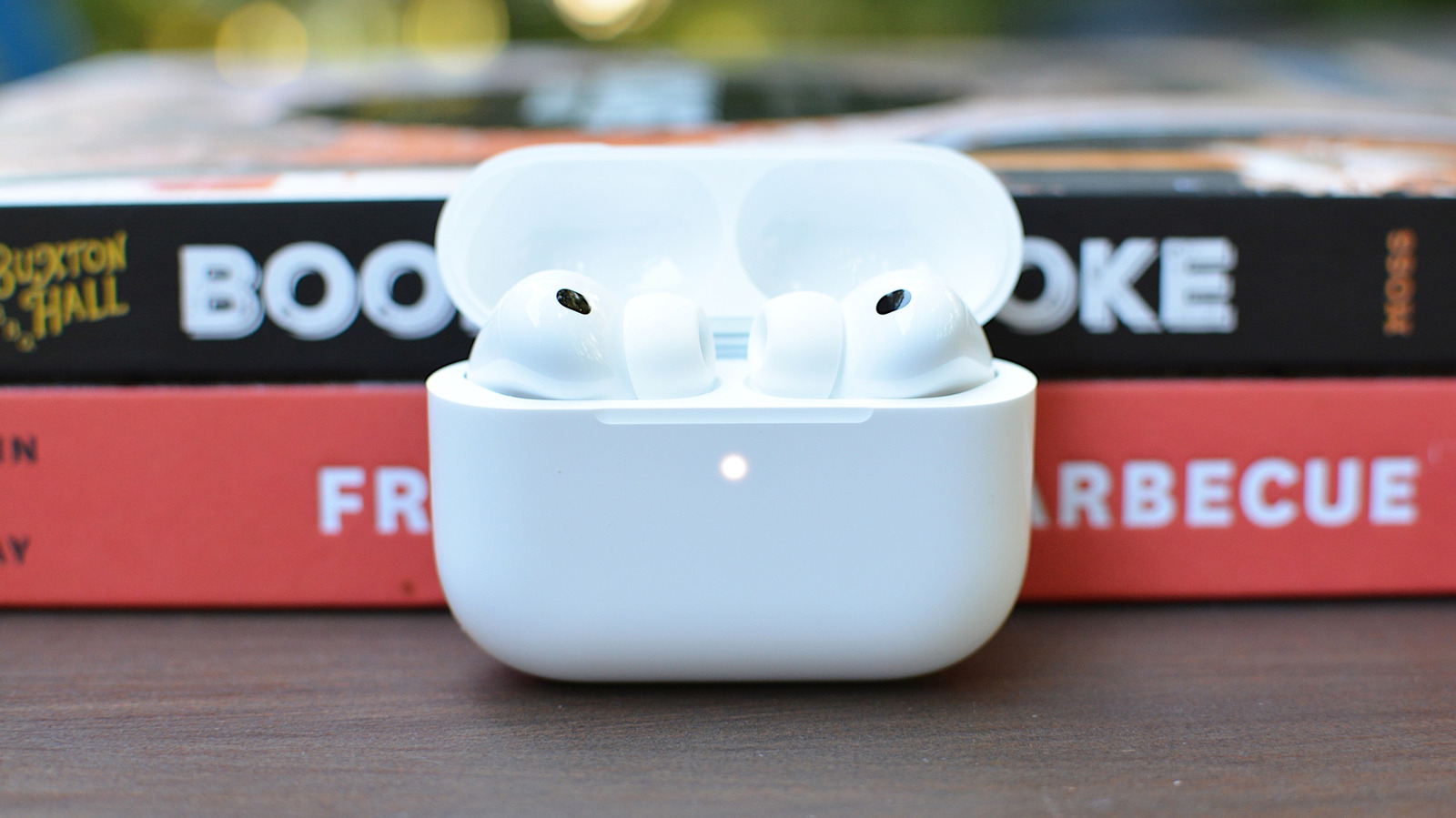
Apple has confirmed that the next iteration of its mobile operating system, iOS 27, will introduce a Custom EQ feature for AirPods, enabling users to manually fine-tune audio frequencies. The update, which is scheduled for release this autumn, allows owners to adjust highs, mids, and lows directly through the AirPods settings menu. This new capability supplements the existing Adaptive EQ tool, which currently functions by automatically adjusting tuning to maintain consistent audio quality across different listening environments.
The announcement was made during Apple’s Worldwide Developers Conference (WWDC) on June 8, 2026, where the company unveiled its “Class of ’27” operating systems. While WWDC is primarily a software-focused event, the conference frequently highlights features that directly impact Apple’s hardware ecosystem. The Custom EQ feature appears on the iOS updates page, though specific details regarding its implementation remain sparse.
Despite the confirmation of the feature, significant uncertainties remain regarding its availability. Apple has not yet disclosed which specific AirPods models will support the new Custom EQ tool. Furthermore, the mechanism for saving these manual tweaks and whether they will synchronise across multiple devices has not been clarified. These details are expected to be addressed before the final release of iOS 27.
The timing of the update coincides with Apple’s traditional autumn product cycle, where the company typically launches new iPhones and potentially new AirPods hardware. Industry observers anticipate that further information will be provided as the release date approaches, particularly as the operating system moves from developer beta to public release.
This audio update arrives alongside other significant changes to Apple’s software suite, including refinements to the Liquid Glass interface and an AI-upgraded Siri. The introduction of manual EQ controls represents a notable shift in user customization options for Apple’s wireless earbuds, offering greater control over sound profiles beyond the automated adjustments provided by Adaptive EQ.
