Apple to reintroduce Siri with Google Gemini integration at WWDC 2026
Following a contentious 2024 rollout and class-action litigation, Apple is set to unveil a significantly updated Siri at WWDC 2026, leveraging Google’s Gemini technology while emphasising privacy controls.
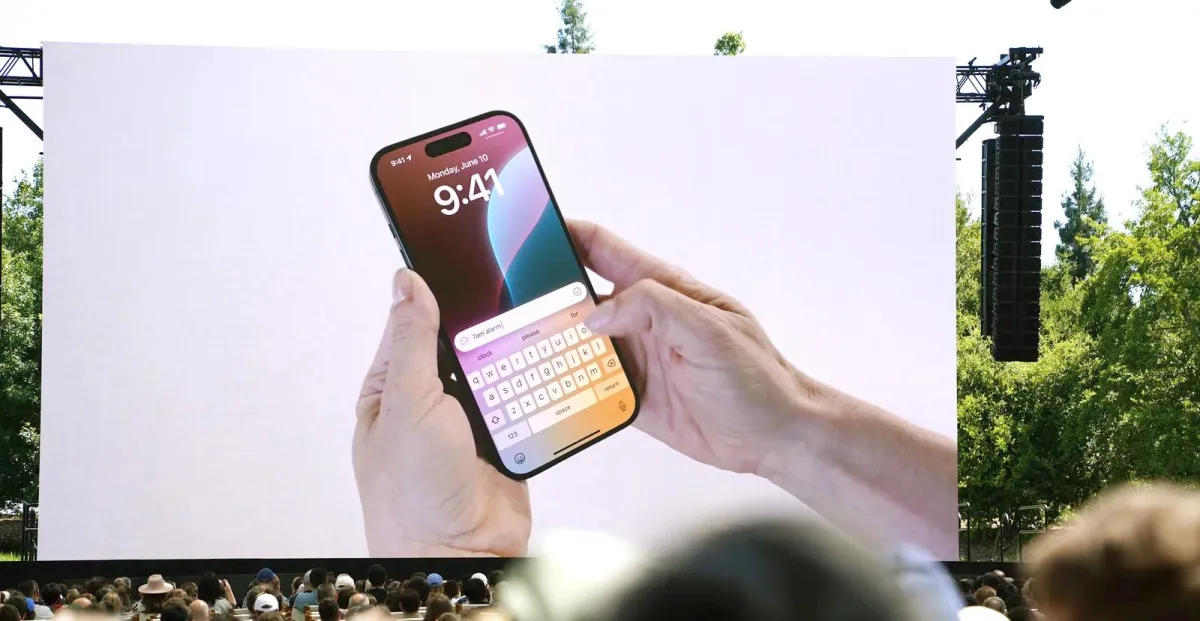
Apple is preparing to unveil a substantially updated version of Siri at its WWDC 2026 conference, marking a strategic pivot by integrating Google’s Gemini artificial intelligence technology. This development follows the controversial 2024 launch of Apple Intelligence, which was marred by unshipped features and subsequent class-action litigation. The new iteration of Siri is expected to be deeply embedded within the iOS ecosystem, including the Dynamic Island and Photos app, and may feature a standalone application for the first time.
To distinguish itself from competitors and address growing consumer scepticism regarding data privacy, Apple is reportedly emphasising privacy-centric mechanisms such as Private Cloud Compute and optional automatic chat deletion. This partnership positions Apple as a consumer of Google’s advanced AI capabilities rather than a primary developer of the underlying model, a move that allows the company to distance itself from the public backlash surrounding Google’s aggressive data centre construction projects.
The decision to integrate Gemini comes as Apple seeks to recover ground in the AI assistant market. While Google’s Gemini has already demonstrated advanced functionality, including ordering ride-shares and accessing calendar data to suggest departure times, the technology faces increasing public distrust, particularly among younger demographics. Reports suggest that the intrusive nature of proactive suggestions has unsettled some users, creating an opening for Apple to frame its slower, more measured rollout as a more responsible approach to AI deployment.
Current Siri functionality remains largely limited to basic tasks such as setting timers, with minimal summarisation capabilities. The upcoming update aims to rectify this by bringing more sophisticated AI features to the forefront. According to reporting, the new Siri will appear in multiple interfaces, including the Dynamic Island and Photos, and potentially a dedicated app, signalling a shift from the voice assistant’s previous role as a background utility to a more prominent, interactive presence within the device.
Financial terms of the partnership between Apple and Google remain undisclosed, though it is understood that Apple is paying for the integration of Gemini. The exact extent of the technology’s integration remains unconfirmed, with reports indicating it will be built in some fashion. Uncertainties also persist regarding the specific privacy mechanisms, such as the default behaviour of chat deletion, and whether the dedicated app mentioned in reports is a confirmed feature or speculative reporting.
Apple’s strategy appears designed to capitalise on the growing demand for AI while mitigating the risks associated with data privacy and feature overreach. By leveraging Google’s existing infrastructure and capabilities, Apple aims to offer a more private, secure AI experience that appeals to users wary of handing over personal information. However, the success of this reintroduction will depend on Apple’s ability to deliver on its promises without repeating the missteps of the 2024 launch, where misleading promotions led to legal challenges and settlements with iPhone owners.
As the tech industry continues to grapple with the balance between AI innovation and user trust, Apple’s approach highlights the complexities of integrating advanced AI into consumer products. The company’s emphasis on privacy and its decision to partner with Google rather than develop its own model from scratch suggest a pragmatic response to the competitive landscape. Whether this strategy will restore confidence in Siri and secure Apple’s position in the AI market remains to be seen, but the upcoming WWDC 2026 will provide the first clear view of the company’s revised direction.
