Apple targets October launch for HomePad smart hub to challenge Google and Amazon
The new 7-inch square display will feature a tvOS-based interface and personalisation features, marking a strategic shift in Apple’s smart home hardware strategy.
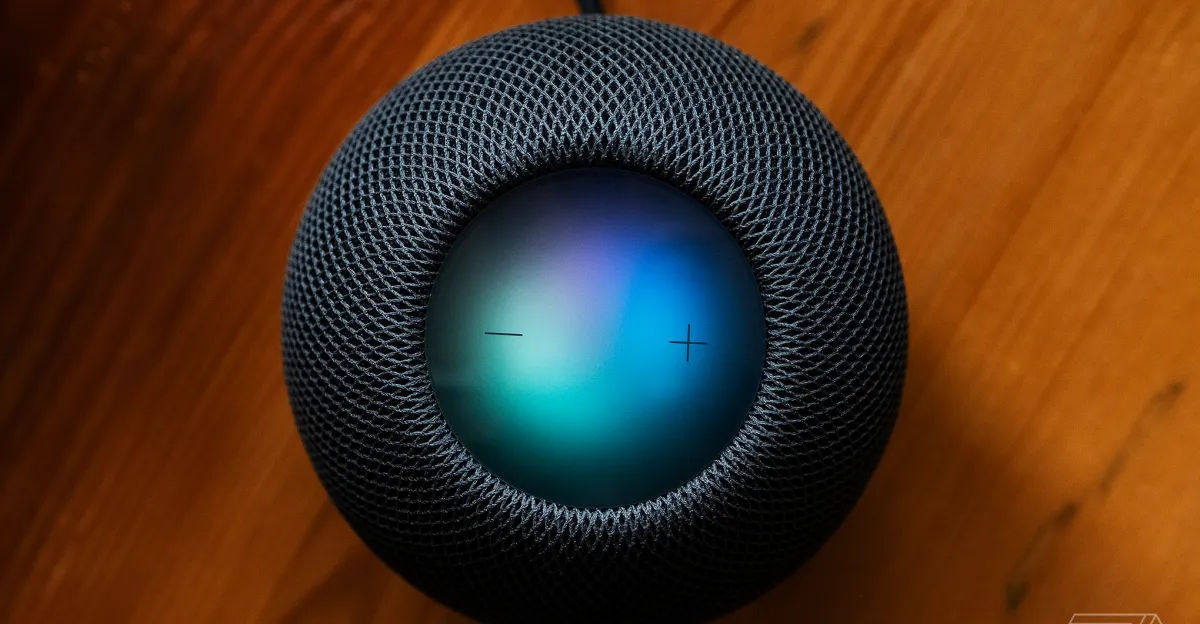
Apple is reportedly preparing to launch a new smart home hub device, internally dubbed the 'HomePad', with a release window expected between October and early next year. The move signals a significant expansion of the company’s hardware ecosystem, directly challenging established market leaders Google and Amazon in the connected home sector.
According to a report by Bloomberg’s Mark Gurman, the device will feature a 7-inch square display and run on a new operating system based on tvOS. The interface is described as utilising grids of icons, widgets, and apps, drawing design cues from both iOS and WatchOS. This represents a departure from Apple’s historical reliance on third-party accessories for smart home integration, aiming instead for a more cohesive, first-party hardware solution.
Central to the HomePad’s functionality is the revamped Siri AI, which Apple released in September. The device will support video chat, security monitoring, and intercom capabilities designed to communicate with other Apple Home devices. Additionally, the system will automatically personalise the interface, adjusting text and icon sizes based on user recognition, a feature intended to enhance accessibility and user experience.
The launch timeline has shifted from an initial target of Spring 2025. Apple delayed the device to ensure it would coincide with the rollout of iOS 27 and the updated Siri AI. While the exact date remains subject to change, Gurman indicates that an announcement is likely within the October to early next year timeframe, aligning with the broader software ecosystem updates.
Beyond the HomePad, Apple is reportedly developing a suite of complementary smart home products. These include a high-end security camera positioned to compete with Amazon’s Ring system, a new Apple TV device, and an updated HomePod mini. Future concepts also include a rumored robotic arm with a screen, though its development timeline remains less certain.
This strategic push into dedicated smart home hardware marks a notable evolution for Apple. By integrating advanced AI and proprietary displays, the company aims to capture market share from Google’s Nest Hub and Amazon’s Echo Show, which currently dominate the segment. The HomePad’s success will likely depend on the seamless integration of its new operating system with existing Apple services and the broader adoption of its AI capabilities.
