Apple shifts focus to software and AI as Cook hands WWDC reins to Ternus
Apple’s annual developer conference centred on the “Class of ’27” operating systems and Apple Intelligence, while CEO Tim Cook delivered his final keynote before leadership transitions to John Ternus.
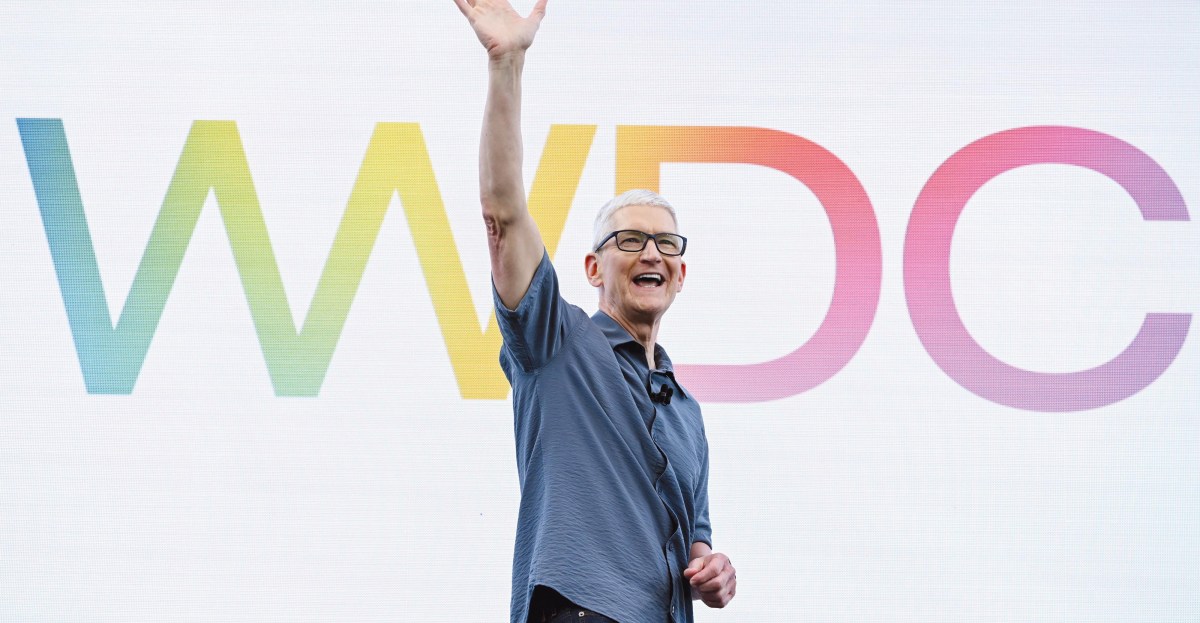
Apple convened its annual WWDC 2026 developer conference at Apple Park in Cupertino, California, on June 8, 2026, marking a significant transition in corporate leadership. CEO Tim Cook delivered his final WWDC keynote before handing over leadership duties to John Ternus, signalling a new chapter for the technology giant. The event, which carried the “All Systems Glow” tagline, placed a pronounced emphasis on software updates and artificial intelligence capabilities rather than physical product releases.
The keynote focused on the “Class of ’27” operating systems, revealing updates for iOS 27, macOS 27, iPadOS 27, watchOS 27, and visionOS 27. Central to these software announcements was a heavy integration of Apple Intelligence, with pre-event speculation suggesting Apple would take another run at an AI-driven Siri. The company also hinted at potential refinements to its Liquid Glass design language, though specific details on interface changes remained within the software framework.
Consistent with Apple’s traditional strategy of reserving major hardware launches for its September events, no new devices were announced during the keynote. The company cited recent product introductions, including the MacBook Neo, iPhone 17e, and AirTag 2, as primary reasons for the hardware hiatus. Additionally, Apple pointed to global RAM shortages as a factor influencing its current hardware roadmap, further justifying the software-centric approach for this year’s developer conference.
The leadership transition between Cook and Ternus drew considerable attention, with industry observers looking for indicators of the strategic direction under Ternus’s future stewardship. While Cook’s tenure has been defined by a blend of hardware innovation and services expansion, the focus on AI integration in the upcoming operating systems suggests a continued prioritisation of software ecosystems. The “Class of ’27” updates are expected to roll out to consumers in autumn 2027.
Pre-event rumours had also speculated about potential iOS 27 features that might support a foldable iPhone, though no such hardware was confirmed. The absence of new silicon, such as an M5 refresh, further underscored the company’s reliance on its existing product cycle and supply chain realities. As Apple moves into the next phase of its leadership, the emphasis on AI and software continuity will likely define its immediate market strategy.
