Apple settles $250m AI lawsuit ahead of WWDC 2026 keynote
Apple has agreed to a $250 million settlement to resolve litigation over 2024 AI promises, while its latest conference signals a strategic pivot toward verified functionality and wider device compatibility.
Apple has agreed to pay a $250 million settlement to resolve a federal lawsuit alleging false advertising regarding artificial intelligence features showcased at its 2024 Worldwide Developers Conference. The litigation stemmed from delays in rolling out promised capabilities for iPhone 15 Pro and newer devices, with the company later admitting that delivery would take longer than initially projected. The settlement, agreed to last month without an admission of wrongdoing, marks a significant resolution to a case that carried substantial reputational risk for a brand built on the promise of seamless product integration.
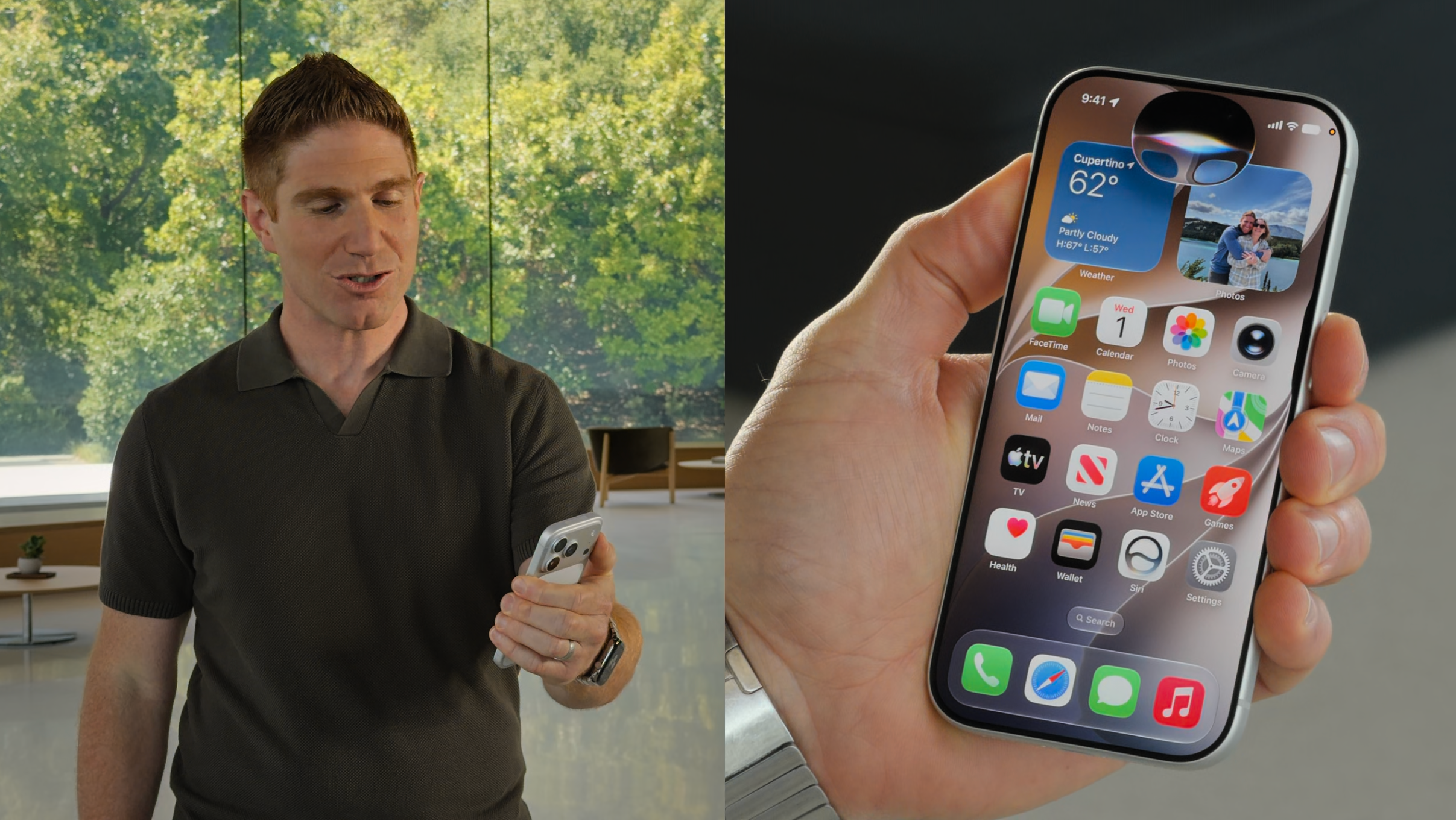
In response to the controversy and associated consumer scepticism, Apple adopted a revised demonstration strategy for its 2026 WWDC keynote, held on 8 June 2026. Rather than relying on the slick, heavily produced videos that characterised the 2024 event, the company utilised pre-taped footage of staff using features on actual devices to verify functionality. This approach, which featured individuals standing with phones in hand to demonstrate real-time responses, was widely interpreted as an effort to counter perceptions of "vaporware" and provide tangible proof of working software.
The conference also marked a pivotal leadership transition, serving as the final keynote for outgoing CEO Tim Cook, who will transition to executive chairman on 1 September 2026. John Ternus, senior vice president of hardware engineering, is set to succeed him. The event centred on an overhaul of Siri and Apple Intelligence, alongside fixes for the "Liquid Glass" design and improvements to the search function, signalling a strategic pivot towards core software stability and user experience enhancements.
Apple confirmed that iOS 27 will extend compatibility to older hardware, including the iPhone 11, while new Siri and Apple Intelligence features remain targeted at newer models such as the iPhone 15 Pro and later. The update prioritises performance efficiency, with claims that apps will open up to 30 per cent faster, new photos will load 70 per cent quicker, and AirDrop transfers will be 80 per cent faster. This broad support structure appears to be a concession to avoid locking features behind new device purchases, addressing concerns raised during the 2024 rollout.
The new AI capabilities will be available across Apple’s broader hardware lineup, including iPads with M1 chips or later, Macs with M1 or later, Apple Vision Pro, and various Apple Watch models when paired with an enabled iPhone. By demonstrating functionality on existing devices and ensuring wide accessibility, Apple aims to reinforce the reliability of its software ecosystem following the legal challenges of the past year.
