Apple reportedly pivots to third-party AI models in iOS 27 under new CEO strategy
Incoming CEO John Ternus is charting a course to leverage existing hardware rather than building new infrastructure, with Google and Anthropic models currently under test for the upcoming operating system updates.
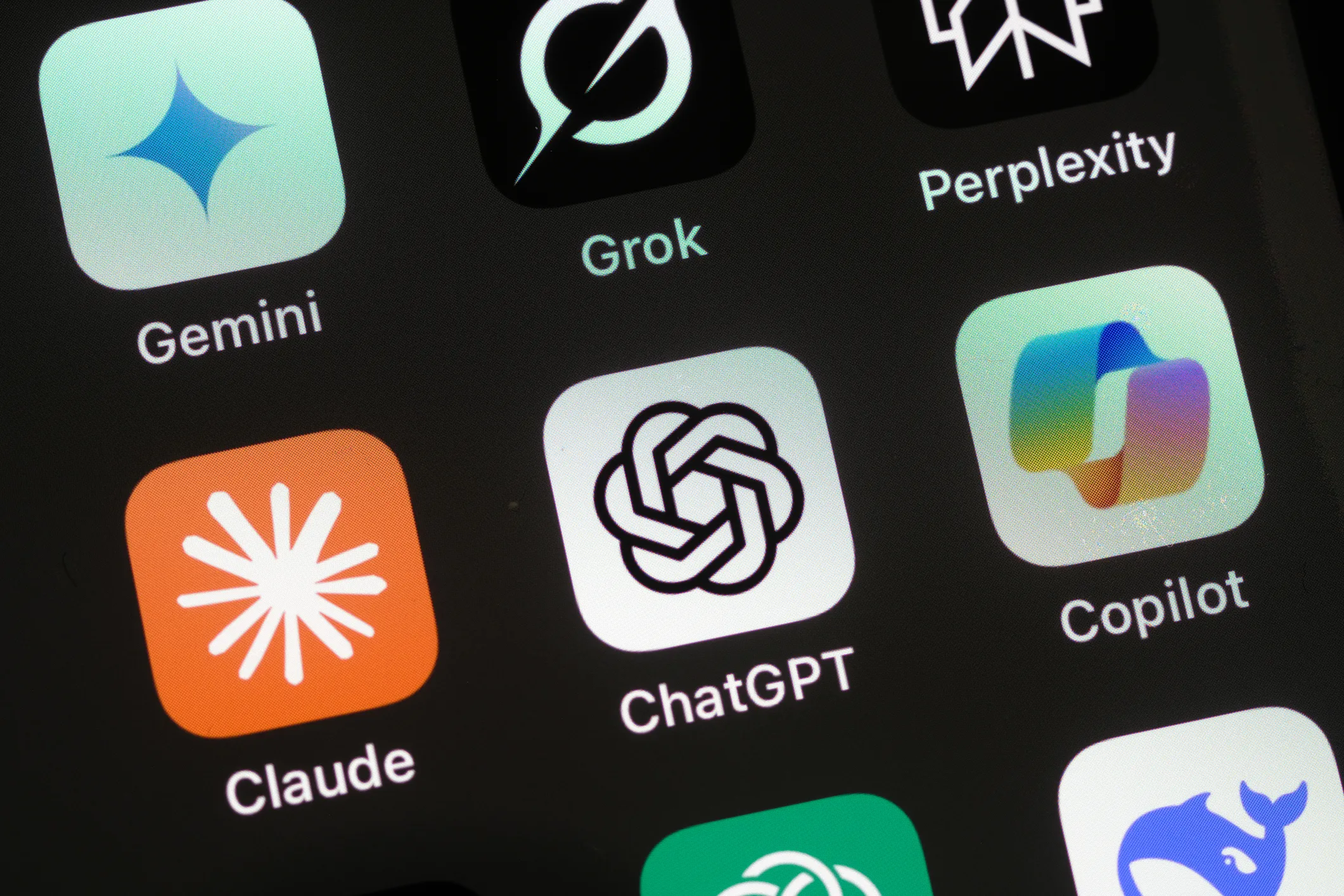
Apple is reportedly preparing iOS 27, iPadOS 27, and macOS 27 to introduce a significant strategic shift in its artificial intelligence roadmap. The plan involves allowing users to select from various third-party large language models for on-device tasks, marking a departure from the company's historical focus on a single, proprietary in-house model. This functionality, internally dubbed "Extensions", will enable access to generative AI capabilities from installed apps via core Apple Intelligence tools such as Siri, Writing Tools, and Image Playground.
The initiative is being charted by incoming CEO John Ternus, who is tasked with guiding the company following the impending departure of Tim Cook. This strategic direction aims to address widespread perceptions that Apple has been behind competitors in the AI sector. By moving towards a hybrid approach involving external partners, the company seeks to ensure its features remain competitive without relying solely on its own internal development timelines.
Currently, testing is underway for AI models from Google and Anthropic. However, the status of ChatGPT remains unclear, though its current availability suggests it may remain an option for users. The full list of third-party models available for selection has not yet been disclosed, and the specific arrangement for OpenAI, which has already been integrated into the ecosystem, is yet to be confirmed.
A key component of this strategy is the decision to leverage existing hardware for an AI-centric experience rather than investing heavily in new infrastructure or building a proprietary model from scratch. This approach allows Apple to turn its already existing devices into a platform for diverse AI capabilities without the capital expenditure associated with developing and maintaining massive data centres.
The move is viewed as a pragmatic response to recent criticism and delays characterising Apple's AI efforts over the past few years. By opening the door to external providers, the company aims to provide greater flexibility and speed to market while maintaining control over the user experience within its operating systems.
Uncertainties remain regarding the exact release date for iOS 27, iPadOS 27, and macOS 27, which is expected later this year. Furthermore, it is not yet detailed to what extent these third-party models will operate strictly on-device versus utilising cloud infrastructure, though the internal messaging emphasises on-device capabilities.