Apple reportedly advancing camera-equipped AirPods for AI Siri integration
Devices feature low-resolution cameras on stalks to provide visual input to Siri, coinciding with the release of the foldable iPhone and iPhone 18 models.
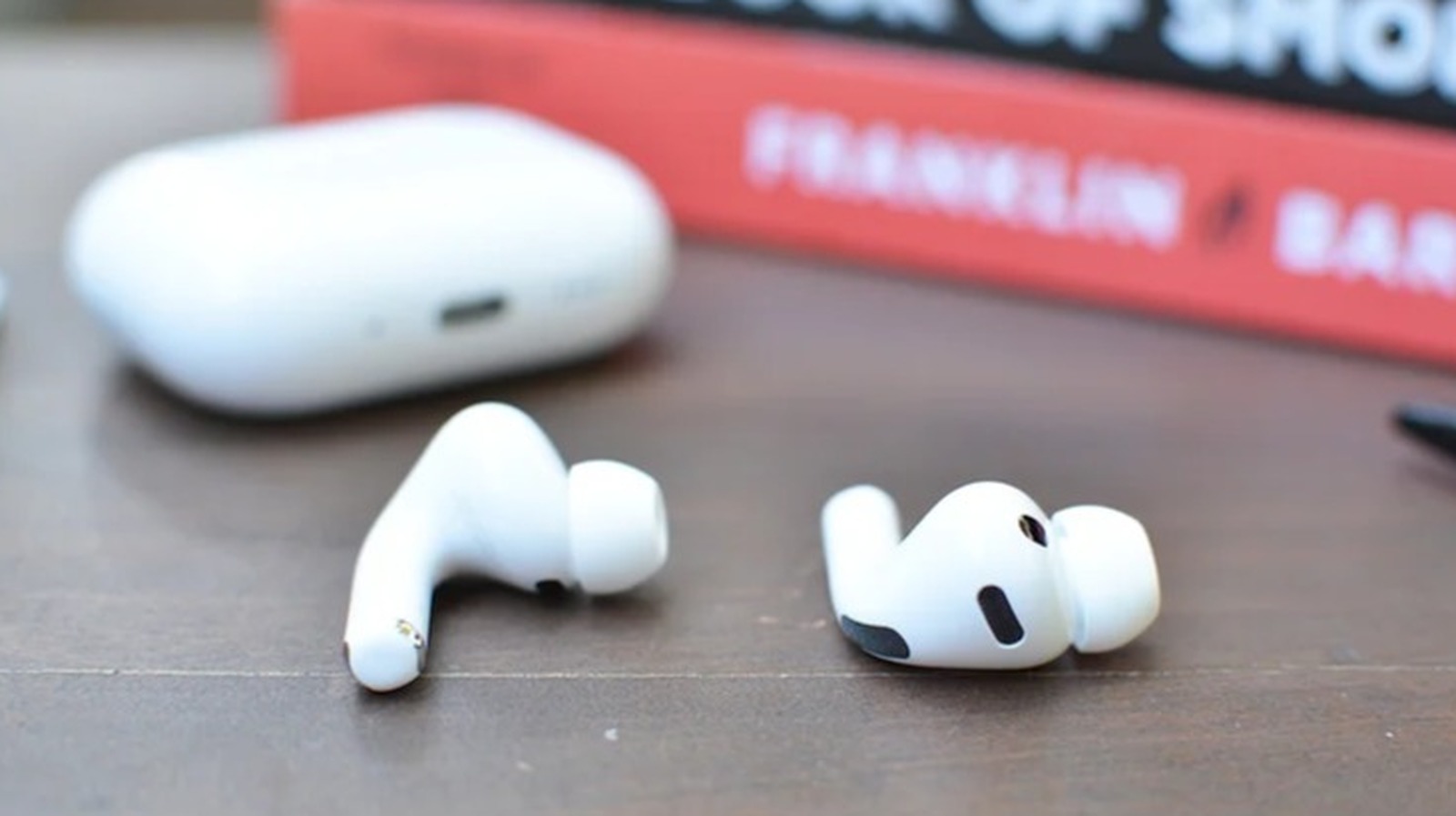
Apple is reportedly in the design validation testing stage for new AirPods featuring low-resolution cameras mounted on their stalks. These devices are intended to provide visual input to Apple's AI Siri assistant, enabling users to ask questions about objects within their field of view and receive landmark-based directions.
According to reports from Bloomberg's Mark Gurman, the hardware is currently being used by workers to test capabilities as part of the development process. While the concept draws comparisons to Meta's Ray-Ban smart glasses, the cameras on the AirPods are described as low-resolution and are not expected to capture clear photos or videos.
The product launch has been pushed from the first half of 2026 to September 2026 due to delays in the Siri upgrade. The new earbuds are expected to debut alongside the foldable iPhone and iPhone 18 models, marking a significant shift in how users interact with the assistant.
Functionally, the cameras will serve as the eyes for Apple's smarter Siri, allowing users to query items in front of them. The system may also remind users of objects they pass, such as eggs in a supermarket, and assist with walking directions based on landmarks, building on the intuitive navigation features found in Apple Maps.
Privacy considerations remain a central backdrop to this development. Reports suggest the hardware may include an indicator to show when the cameras are active, a measure designed to address concerns regarding surveillance devices that have already drawn criticism following the release of Meta's smart glasses.
Beyond the AirPods, Apple is reportedly working on other AI-focused hardware, including smart glasses, a pendant, and an AI pin. However, specific details regarding the functionality of these additional devices remain unconfirmed as the company continues to navigate the complexities of integrating advanced visual capabilities into its ecosystem.
