Apple reinstates student verification for US education store and expands discounts to Apple Watch
Apple has reintroduced third-party verification for US online education purchases and extended discounts to select Apple Watch models.
Apple has reinstated a mandatory requirement for US customers to provide proof of student or educator status when purchasing products online at education discount rates. This verification, which was previously implemented in other regions before being removed from the US market four years ago, now applies specifically to the US virtual education store. The move aims to prevent pricing abuse, a vulnerability that previously allowed anyone in the US to access discounted rates without demonstrating eligibility.
To facilitate this process, Apple is directing customers to use the Unidays third-party verification service. The system accepts an email address, a photo ID, or a valid document from an educational institute, accessible via the Unidays app or website. This requirement aligns online protocols with existing physical store procedures, where verification has long been necessary to purchase education products. Apple notes that customers may also complete the verification ahead of time to expedite transactions at retail locations.
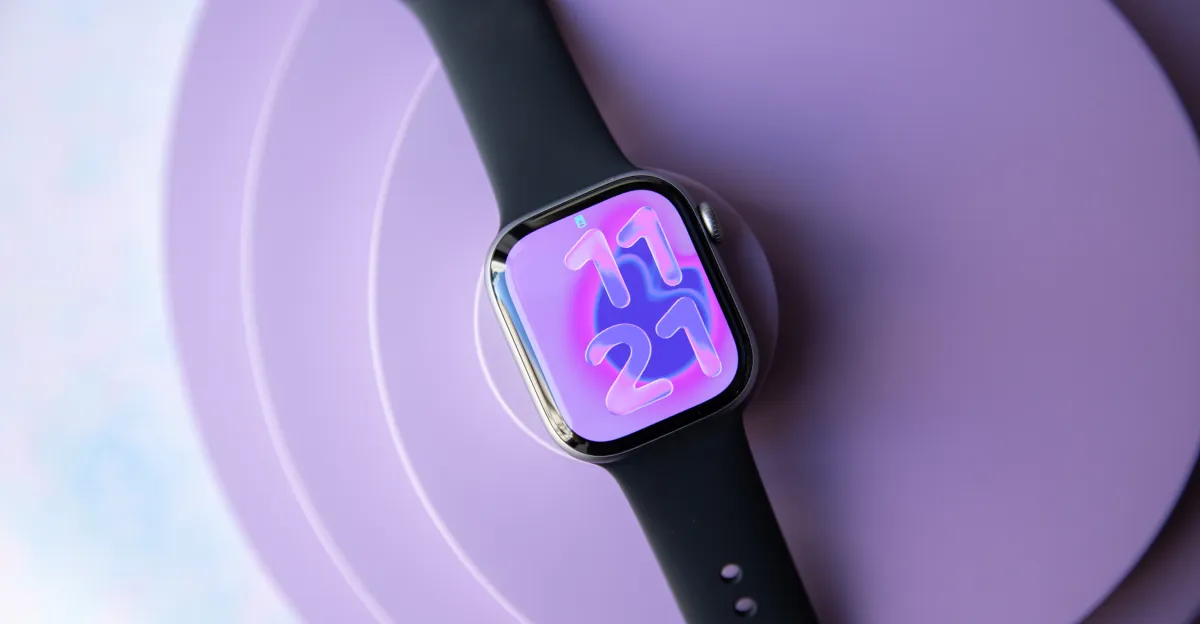
Beyond the verification changes, the education discount programme has expanded to include Apple Watch models for the first time. The Apple Watch Series 11, Apple Watch SE, and Apple Watch Ultra 3 are now eligible for the discount, offering savings of up to 10 per cent off the usual price. This marks a significant shift for the wearable segment, which has historically been excluded from the education pricing tier alongside computers and accessories.
The rollout of the Unidays verification system is not limited to the United States. Apple is simultaneously extending this requirement to customers in Canada, Australia, Hong Kong, Turkey, and Chile. This global expansion suggests a broader standardisation of verification protocols across key international markets to maintain the integrity of the education pricing structure.
While the immediate intent is to safeguard revenue by closing loopholes in the US market, the long-term durability of the requirement remains to be seen. Apple has a history of briefly implementing and then removing the Unidays system in the US, creating some uncertainty regarding whether this reinstatement will be sustained. Investors and policy observers will be watching to determine if this marks a permanent shift in how the company manages its education channel.
