Apple refines macOS 27 Golden Gate with UI tweaks and virtualisation boosts
The latest macOS update introduces granular control over Liquid Glass, native 5K ultrawide support, and enhanced container machines, signalling a shift toward stability and developer utility ahead of the autumn release.
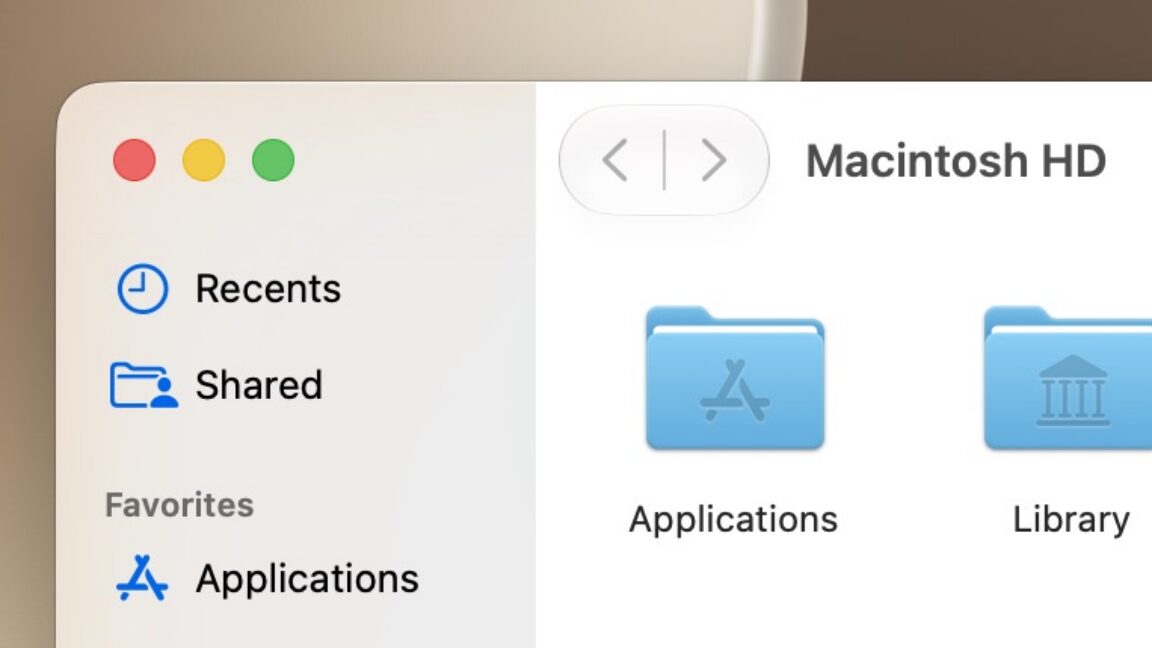
Apple has released the first developer beta of macOS 27 Golden Gate, marking a significant departure from the heavy artificial intelligence focus that has dominated recent announcements. The update prioritises platform improvements, delivering subtle user interface refinements and performance enhancements aimed at boosting system responsiveness and addressing longstanding user feedback. This release follows macOS 26 Tahoe and introduces a more measured approach to the operating system’s visual identity and underlying architecture.
A central feature of the update is the introduction of a slider within the Appearance settings, allowing users to exert fine-grained control over the opacity of the Liquid Glass effect. This replaces the binary "Clear/Tinted" toggle introduced in macOS 26.1 and is now integrated into the initial setup flow. Apple has also partially reverted design elements from Tahoe, including less rounded window corners that align visual cues with clickable areas, and sidebars that now extend to the edge of the content area rather than floating as a separate layer. Additionally, most SF Symbols glyphs next to menu items have been removed, adhering to updated Human Interface Guidelines that advocate for the sparing use of icons.
Hardware compatibility has been expanded with native support for 5K ultrawide displays, such as those running at 5120 by 2160 resolution. While Macs equipped with M1, M2, and M3 chips may remain capped at 60 Hz for these panels, the operating system now better remembers window positions on multi-monitor setups, a critical improvement for users who frequently dock and undock laptops. Menu bar visibility has also been enhanced with a new Ethernet connection indicator and a redesigned battery icon that nests the charge percentage within the symbol itself, conserving screen real estate.
For developers and power users, virtualisation capabilities have received substantial upgrades. The update introduces container machines, which allow Linux to run as an extension of macOS, providing seamless file access and quick command switching without the overhead of a traditional virtualised installation. Further enhancements include USB passthrough, advanced network topologies, DiskImageKit for sharing disk images, and the ability to configure user accounts and SSH settings during virtual machine setup. These changes build upon the Virtualization framework to support more efficient testing and development workflows.
Performance improvements are woven throughout the operating system, targeting areas such as Safari scrolling, AirDrop discovery and transfer speeds, lock screen switching, and optical character recognition for photos and documents. Xcode 27, released concurrently, introduces an independent Appearance section that allows developers to set colour themes separate from the OS, alongside customizable window tints. While these adjustments are preliminary, they signal Apple’s intent to stabilise the platform and refine the user experience ahead of the public beta in July and the final release in the autumn.
