Apple prioritises software stability and user fixes ahead of Siri AI rollout at WWDC
At its Worldwide Developer Conference, Apple unveiled a suite of foundational updates including faster app launches, a transparency slider for the Liquid Glass interface, and expanded iCloud interoperability, before introducing its upgraded AI-powered Siri.
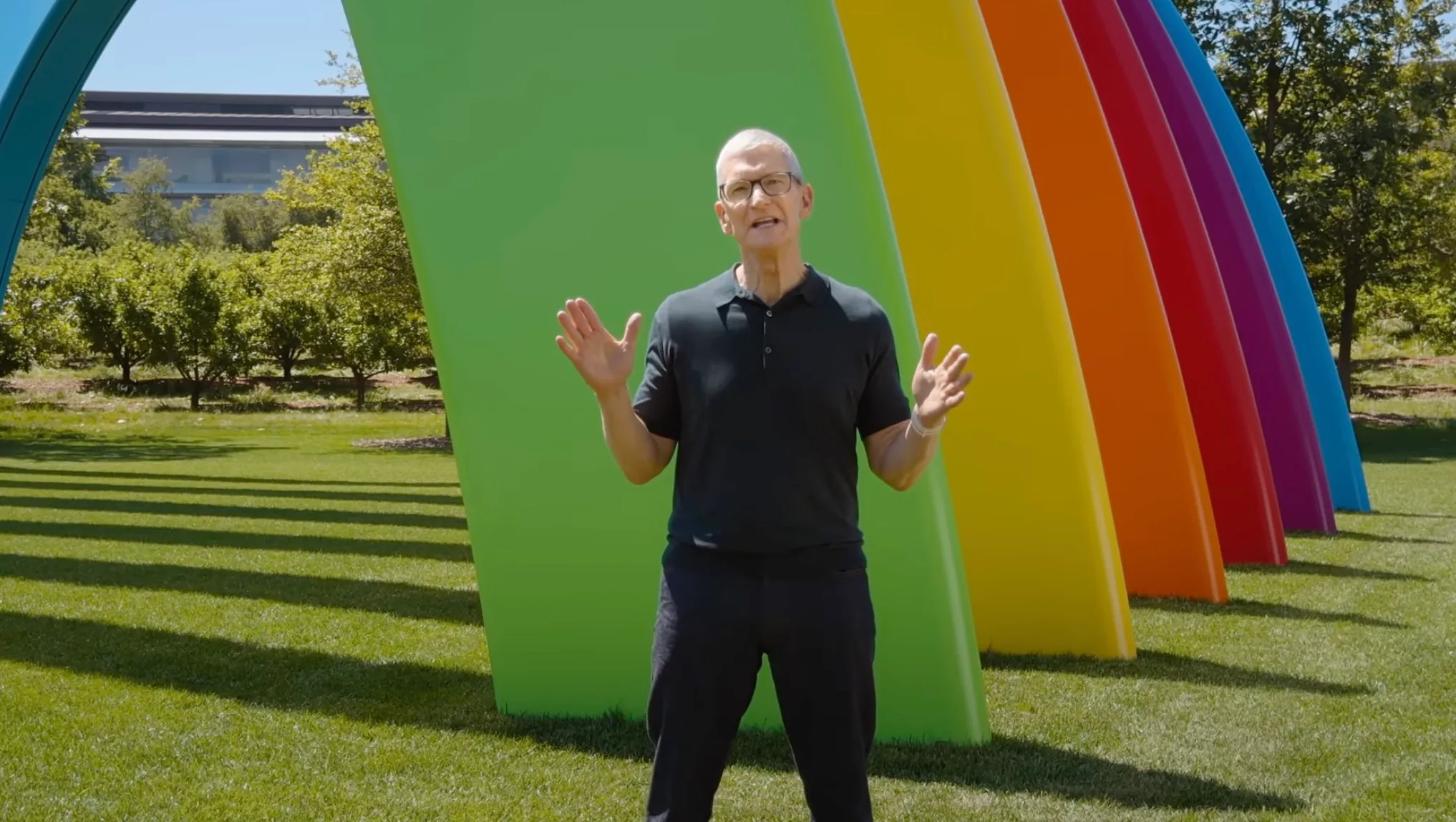
Apple’s keynote at its Worldwide Developer Conference opened with a strategic pivot towards core software stability, signalling that the company intends to position its artificial intelligence capabilities as one component of a broader ecosystem overhaul rather than the sole headline. Senior vice president of Software Engineering Craig Federighi led the presentation by addressing long-standing user frustrations, including usability issues with the Liquid Glass design language, sluggish search functionality, and inconsistent file-sharing performance. The sequencing of announcements suggests Apple is prioritising foundational repairs to ensure user trust before fully rolling out its AI-driven features.
In response to significant user backlash regarding the readability of the Liquid Glass aesthetic introduced in iOS 26, Apple announced a new transparency slider that allows users to adjust the interface from the default glass-like appearance to a fully tinted look. Shubham Kedia, Apple’s director of human interface design, acknowledged the feedback, noting that while the company views the glass aesthetic as a strong default, user preference varies. Additional refinements include sharper app icons and a more uniform toolbar in macOS designed to better distinguish controls from content.
Performance metrics were a central focus of the update, with Apple claiming 30% faster app launches and photos appearing up to 70% faster within libraries. AirDrop file transfers are reportedly up to 80% faster, addressing previous reliability concerns. These enhancements extend to older hardware, including the iPhone 11 released in 2019, indicating a continued commitment to supporting legacy devices. The company also improved search stability and efficiency, ensuring new content is indexed almost immediately and mail results are ranked by relevance.
Health and interoperability features received notable attention, with the Health app adding support for perimenopause and menopause tracking, a move widely viewed as addressing a long-standing gap in user data support. iCloud shared photo albums now accept contributions from Android and Windows users, significantly expanding the utility of the feature for mixed-ecosystem groups. Additionally, Apple introduced smoother transitions between Wi-Fi and cellular networks and new indicators for message delivery delays on low bandwidth connections.
The AI-enhanced Siri is scheduled to enter consumer beta later this year, though it will be excluded from the European Union and China due to regulatory considerations. The updated assistant, developed in partnership with Google to improve contextual awareness, will be joined by other Apple Intelligence features such as natural language calendar creation, web tab organisation, and advanced on-device photo editing tools including Spatial Reframing. Developer betas for iOS 27, iPadOS 27, and macOS 27 were made available immediately following the keynote.
