Apple pivots to efficiency and privacy at WWDC 2026, sidestepping Agentic AI hype
At its 2026 Worldwide Developers Conference, Apple announced a strategic shift towards practical, private artificial intelligence capabilities, explicitly avoiding the industry trend of autonomous Agentic AI while introducing automated security features that have sparked debate.
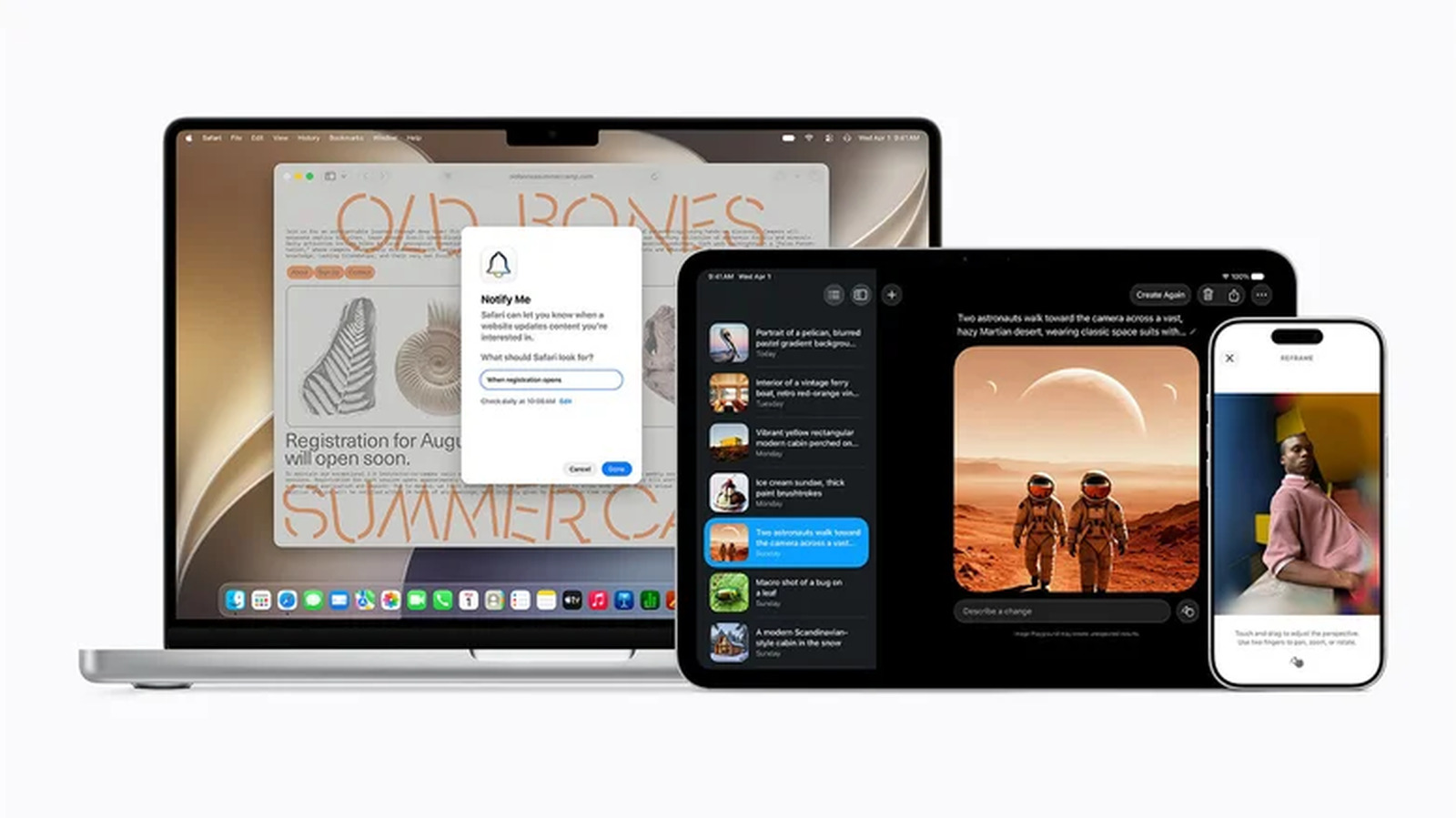
Apple’s 2026 Worldwide Developers Conference marked a distinct departure from the industry norm of launching voluminous new features. Instead, the company focused on tidying existing work, trimming software bloat, and optimising code to improve efficiency. The newly announced operating systems are designed to run faster and extend the lifespan of older hardware, providing a renewed utility for devices that might otherwise be considered obsolete. This approach prioritises quality and performance over the quantity of new functionalities.
In the realm of artificial intelligence, Apple explicitly distanced itself from the prevailing "Agentic AI" trend, which involves autonomous systems performing complex tasks. Engadget editor Devindra Hardawar noted that this refusal to adopt the hype cycle allows Apple to concentrate on specific, useful, and private features. The company’s strategy emphasises practical utility and data privacy, steering clear of the autonomous agents that many competitors are currently pursuing.
A primary example of this utilitarian approach is the enhanced Passwords app, which now monitors user logins and can automatically change credentials if a data breach is detected. This functionality aims to bolster security by proactively addressing compromised accounts. However, the automation of such a critical security process has raised concerns regarding user control and reliability.
The automatic credential change feature has sparked debate due to the potential risk of users being locked out of essential services, such as bank accounts. Critics and observers alike have pointed out that the technical mechanisms for these automatic changes are not fully detailed, creating uncertainty about how the system handles edge cases or false positives. The fear is that an overly helpful line of code could inadvertently restrict access to financial or personal accounts.
While Apple’s focus on efficiency and privacy offers a stable alternative to the rapid, often chaotic rollout of Agentic AI, the implementation of automated security tools requires careful management. The company’s decision to prioritise hardware longevity and practical AI utility suggests a long-term strategy focused on user trust and system stability, even as it navigates the complexities of automated security interventions.
