Apple Overhauls Siri with Google Gemini Partnership and Standalone App at WWDC 2026
The new Siri leverages Google’s underlying model, accesses personal device data, and introduces chatbot-style interactions in a move expected to roll out later this year.
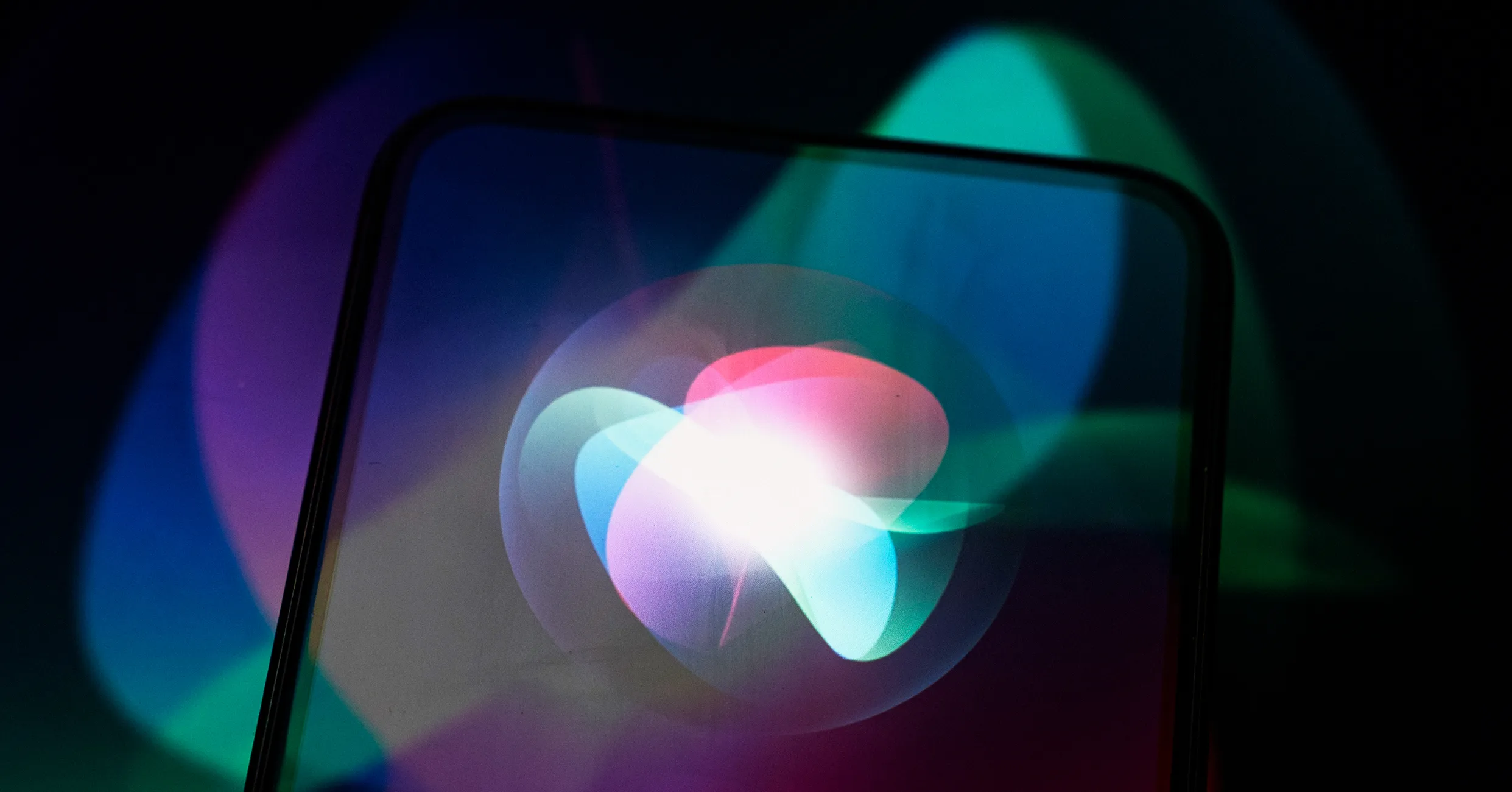
Apple announced a significant restructuring of its Siri voice assistant at WWDC 2026, introducing a standalone application and chatbot-style interactions designed to modernise the platform. The overhaul marks a strategic pivot, leveraging a partnership with Google Gemini to power the underlying artificial intelligence model within Apple Intelligence. This integration allows the assistant to access personal data stored on devices, including current screen content, to provide contextual assistance for tasks such as composing emails and drafting texts to group chats.
The interface has been redesigned to reside within the Dynamic Island, replacing the previous screen glow animation. Users can swipe down from the Dynamic Island to search or type queries, or utilise the side button for more in-depth answers. The new Siri app enables users to access past conversations and continue previous threads, mirroring the user experience found in competitors like ChatGPT. Additionally, the assistant can now send text requests and upload files, while also integrating with the camera app to offer a Google Lens-style experience for querying visual content.
This announcement follows a period of regulatory and reputational challenges for the company. Apple previously announced Siri features at WWDC 2024 that failed to materialise fully, leading to a $250 million settlement for a false-advertising lawsuit. The current revamp aims to address these delays and deliver on the personalised AI promises that were previously unfulfilled. The changes are expected to roll out to consumers later this year as Apple seeks to close the gap with rivals such as OpenAI’s ChatGPT and Google’s Gemini.
Industry analysts have noted Apple’s historical tendency to refine existing technologies rather than pioneer them. Ramon Llamas, a research director at International Data Corporation, observed that Apple has successfully applied this strategy to smartphones and smartwatches. Avi Greengart, president of Techsponential, highlighted that while other assistants have become tremendously capable through large language models, Siri had remained relatively programmatic. The new iteration aims to rectify this by drawing on current world knowledge and device-specific data to ground its responses.
Privacy concerns remain a focal point of the discussion, particularly given the assistant’s access to personal information. Marshini Chetty, a computer scientist at the University of Chicago, noted that while the efficiency gains could be significant, the privacy implications are complex. Apple has emphasised on-device processing, obscuring IP addresses, and limiting data storage by partners to mitigate these risks. Despite the push for deeper AI integration, experts like Serge Egelman warn of cultural backlash, with some users resistant to the encroachment of generative AI into everyday applications.
