Apple integrates Apple Intelligence into accessibility suite with wheelchair eye-tracking control
The tech giant announced a broad update to its accessibility tools, including AI-powered document reading, natural language voice commands, and the ability for Vision Pro users to operate compatible wheelchairs via eye tracking.
Apple has unveiled a comprehensive update to its accessibility ecosystem, leveraging Apple Intelligence to enhance tools for users with mobility, visual, and hearing impairments. The announcements, made ahead of Google’s annual developer conference, introduce significant upgrades to VoiceOver, Live Recognition, and real-time captioning, with the full suite expected to launch later this year as part of the iOS 27 release.
A standout feature allows Apple Vision Pro users to control compatible wheelchairs using eye tracking. The system is designed to function under varying lighting conditions without the need for recalibration. Initial support is limited to Tolt and LUCI alternative drive systems in the United States, with accessories supporting both Bluetooth and wired connections.
For users with visual impairments, VoiceOver’s image recognition capabilities have been significantly expanded. The updated Image Explorer can now identify specific details on scanned bills, such as amounts and due dates, and provide more granular descriptions of photographs and personal records. Additionally, the Magnifier app can be assigned to the iPhone Action button, offering a high-contrast interface and voice commands like “zoom in” or “turn on flashlight.”
Navigation and document processing have also been refined through natural language voice commands. Users can now describe onscreen elements using everyday language, such as “tap the purple folder” in Files or “tap the guide about best restaurants” in Apple Maps, rather than relying on precise numerical commands. The Reader feature has been enhanced to handle complex documents with multiple columns, images, and tables, providing AI-generated summaries while retaining custom fonts and colours.
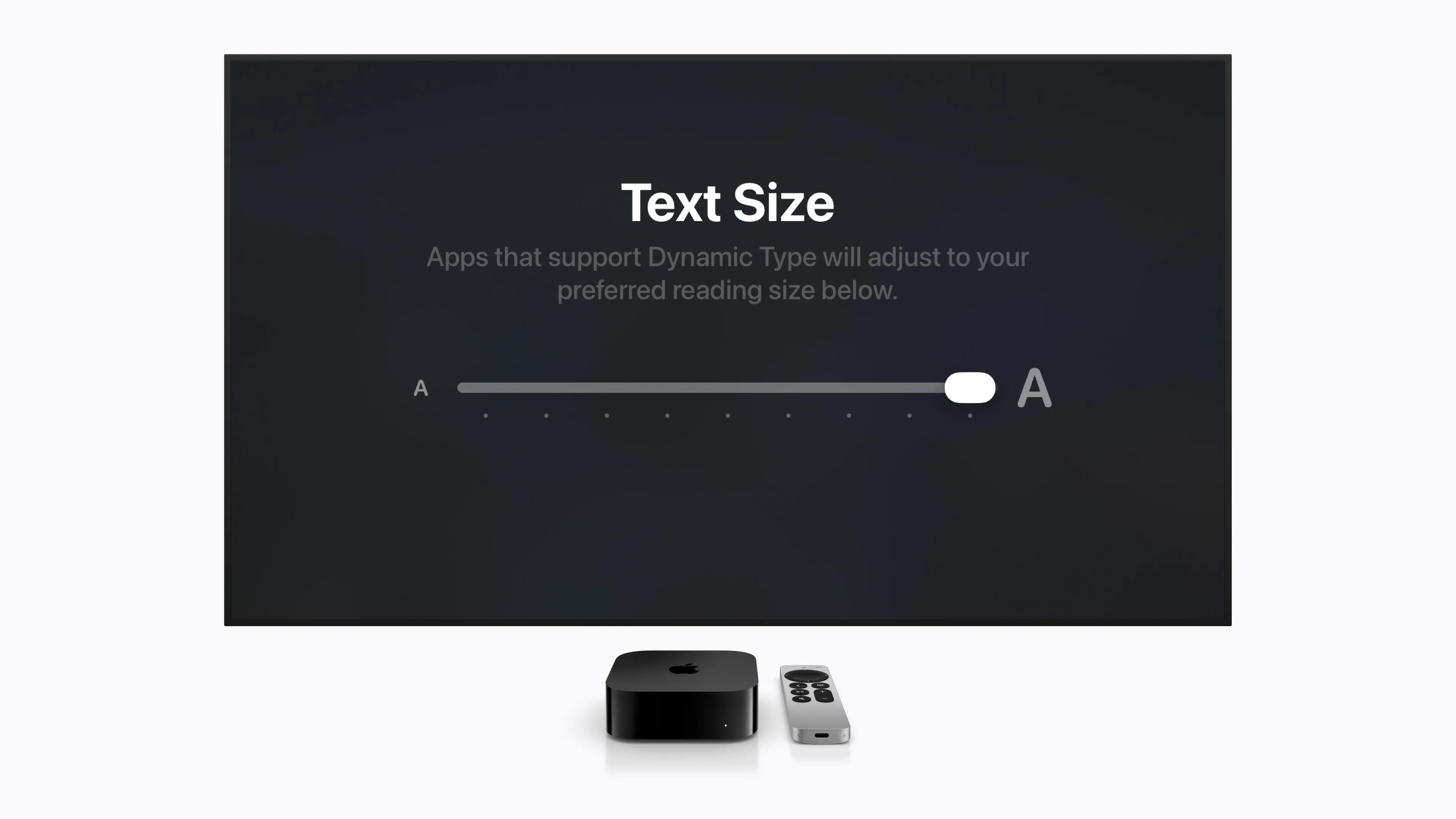
Other updates include AI-generated subtitles for videos lacking pre-generated captions, which will be available across iPhone, iPad, Mac, Apple TV, and Vision Pro. The name recognition feature, which alerts users with hearing disabilities when their name is spoken, now supports 50 languages. Large text support is being rolled out to tvOS, and Made for iPhone hearing aids will see improved handoff capabilities between devices.
