Apple discontinues entry-level Mac Mini, raises starting price to $799 amid memory shortage
The 256GB storage variant has been removed from the online store, leaving the 512GB configuration as the new entry point for the M4 Mac Mini.
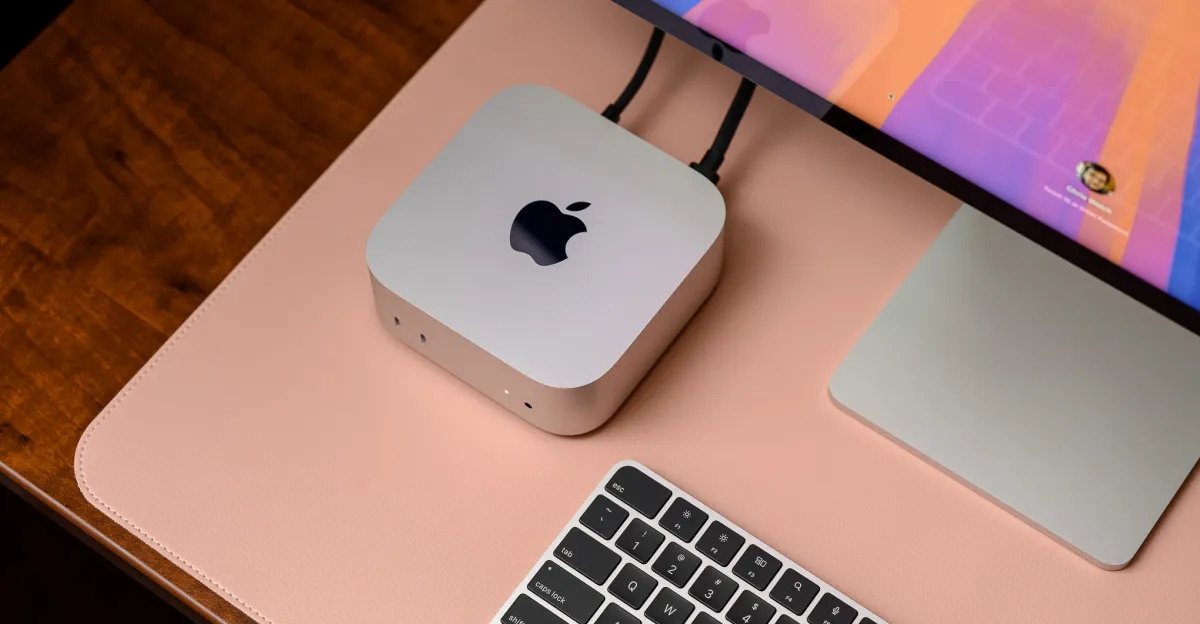
Apple has officially discontinued the Mac Mini model featuring 256GB of storage, effectively raising the device's starting price to $799 for the 512GB version equipped with the M4 processor. The removal of the lower-specification variant from the company's online store marks a significant adjustment to the product lineup, leaving the mid-range configuration as the baseline option for Australian consumers.
This pricing and availability shift follows confirmation from CEO Tim Cook during a recent earnings call regarding persistent supply chain challenges. Cook stated that the majority of supply constraints affecting several Mac models, including the Mac Mini and the Mac Studio, are expected to persist through June. The executive noted that these models may require several months to reach a supply-demand balance.
The primary driver behind these constraints is identified as a global memory shortage exacerbated by surging demand for AI-driven applications. Cook highlighted that many consumers are purchasing devices to utilise AI agents, such as OpenClaw, which have increased RAM requirements. Consequently, Apple is facing significantly higher memory costs, a factor the CEO warned could have an increasing impact on the company's business operations in the coming months.
This move is part of a broader trend where manufacturers are adjusting strategies to navigate tight market conditions. Apple previously halted sales of the Mac Studio with 512GB of RAM and raised prices for the MacBook Air and Pro models to similar pressures. The current situation sees the cheapest Mac Mini now costing $799, offering 512GB of storage and the M4 processor, reflecting the reality of the current component landscape.
While the specific technical bottlenecks driving the shortage, such as fabrication versus packaging or memory module availability, are not detailed beyond the general memory shortage, the financial implications are clear. The company expects these elevated costs and supply imbalances to continue influencing product availability and pricing for the foreseeable future.
