Apple bets on pragmatic AI agents with Siri overhaul at WWDC
The new Siri features multimodal capabilities, on-screen awareness, and cross-device syncing, with executives emphasising on-device privacy processing. However, global rollout remains constrained by beta status and regulatory uncertainty in the EU and China.
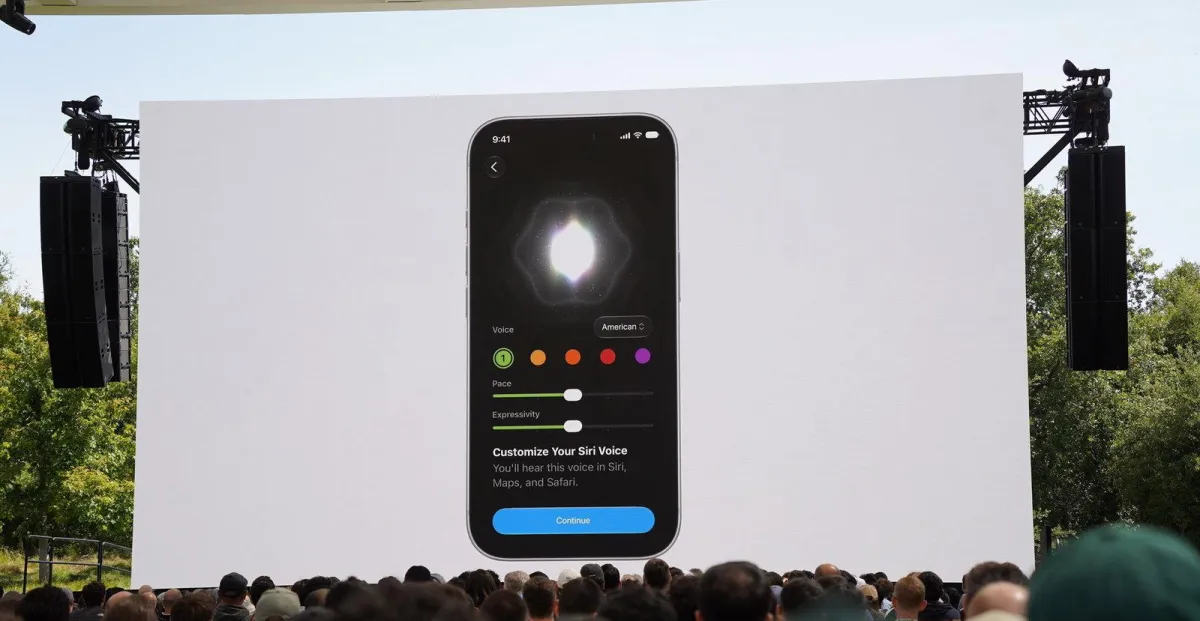
Apple has announced a significant overhaul of its Siri virtual assistant at its annual WWDC developer conference, marking a strategic pivot towards artificial intelligence agents after years of perceived delays. CEO Tim Cook stated the company is introducing technologies that push the limits of possibility, while executives positioned the update as a pragmatic step to complement existing products rather than fundamentally altering them. The new Siri is designed as an all-encompassing assistant, integrating multimodal capabilities, on-screen awareness, and cross-device functionality to tie together the company’s ecosystem.
The updated assistant leverages Apple foundation models powered chiefly by Google Gemini, a move that distinguishes its approach from competitors attempting to build unaided models. Features include the ability to pull information frictionlessly from emails, texts, contacts, and calendars, as well as mimicking the user’s writing style depending on the recipient. On-stage demonstrations highlighted multi-step processes, such as identifying locations from Instagram photos to create driving routes using addresses mentioned only in text messages, and managing complex scheduling tasks across devices.
Privacy remains a central pillar of the announcement, with executives emphasising that user data for agentic tasks would be processed on-device or via private cloud compute. Craig Federighi, Apple’s senior vice-president of software engineering, stated that privacy in AI is non-negotiable and that data would be used solely to process user requests. This strategy aims to mitigate concerns regarding data sovereignty and the integration of agents into daily workflows, positioning Apple’s reputation for security as a key differentiator in a market increasingly wary of AI intrusiveness.
Despite the breadth of features, including visual intelligence in the Photos app and AI-powered information cards in the Dynamic Island, the updated Siri will not be available until later this year in beta. Apple has not provided a specific timeline for release in the European Union or China, attributing the delay to regulatory difficulties. This uncertainty follows previous setbacks, including a class-action settlement related to the initial Apple Intelligence rollout and pauses in AI notification summaries, raising questions about the execution of the company’s long-delayed AI strategy.
The new Siri will sync across devices, appearing as iMessage threads, with an “Ask Siri” button providing easy access. While the features largely mirror those introduced by other tech giants, Apple’s approach focuses on reducing friction for users already embedded in its ecosystem. By integrating AI directly into messages and utilising its existing hardware base, Apple aims to attract users who prefer seamless integration over standalone applications, though the success of this strategy will depend on the stability and utility of the beta software once it launches.