Apple begins testing Intel 18A-P chips as supply chain diversification accelerates
The move follows US government encouragement and a 10 per cent state stake in Intel, with initial deliveries targeted for 2027 and full ramp-up by 2029.
Apple has initiated test runs for systems-on-chip manufactured using Intel’s 18A-P process, signalling a tangible shift in its semiconductor sourcing strategy. According to supply chain analyst Ming-Chi Kuo, the initial production phase will focus on low-end and legacy processors for iPhones, iPads, and Macs. This development confirms that discussions between the two technology giants have progressed to actual manufacturing tests.
The partnership comes amid broader geopolitical and economic shifts, including reports that the Trump administration has encouraged Apple to collaborate with Intel following the US government’s acquisition of a 10 per cent stake in the chipmaker. Apple has previously expressed concerns regarding over-reliance on Taiwan Semiconductor Manufacturing Company (TSMC) and has sought to diversify its supply chain to mitigate risk.
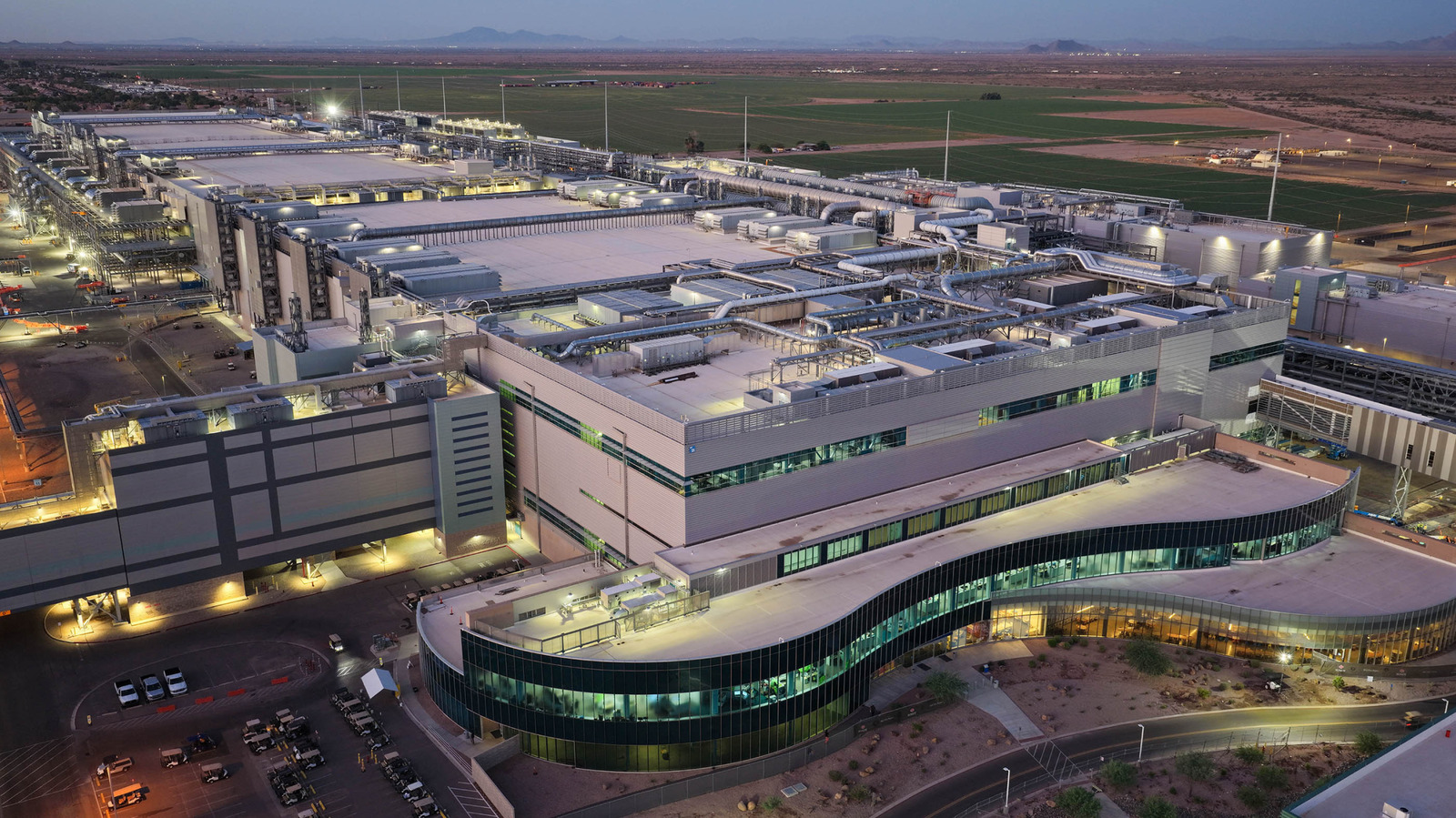
Intel plans to dedicate 2026 to testing production, with 2027 targeted for initial deliveries and a production ramp-up continuing through 2029. Manufacturing is expected to take place at Intel’s facilities in Oregon, Arizona, and Ohio. The 18A-P process, an update to the 18A technology used for Panther Lake, is considered roughly equivalent to TSMC’s N2 process in terms of performance and transistor density.
Despite the new arrangement, TSMC is expected to retain approximately 90 per cent of Apple’s processor manufacturing volume. Kuo noted that even if Intel’s initial shipments proceed smoothly, the majority of Apple’s chips will continue to be produced by its long-standing partner. Of the output allocated to Intel, around 80 per cent is intended for iPhone chips, aligning with the company’s broader product mix.
Apple is also evaluating Intel’s 14A technology, a 1.4nm process, for future devices. This diversification effort marks a significant change from the period before 2020, when Intel was Apple’s sole supplier of Mac processors, a role it lost when the company transitioned to its own M-series silicon built primarily by TSMC.
