Apple App Store submissions surge 30 per cent as ‘vibe coding’ fuels personal software revolution
Industry data from Apple and GitHub reveals a sharp uptick in user-generated software, while experts predict a shift toward infrastructure-focused development.
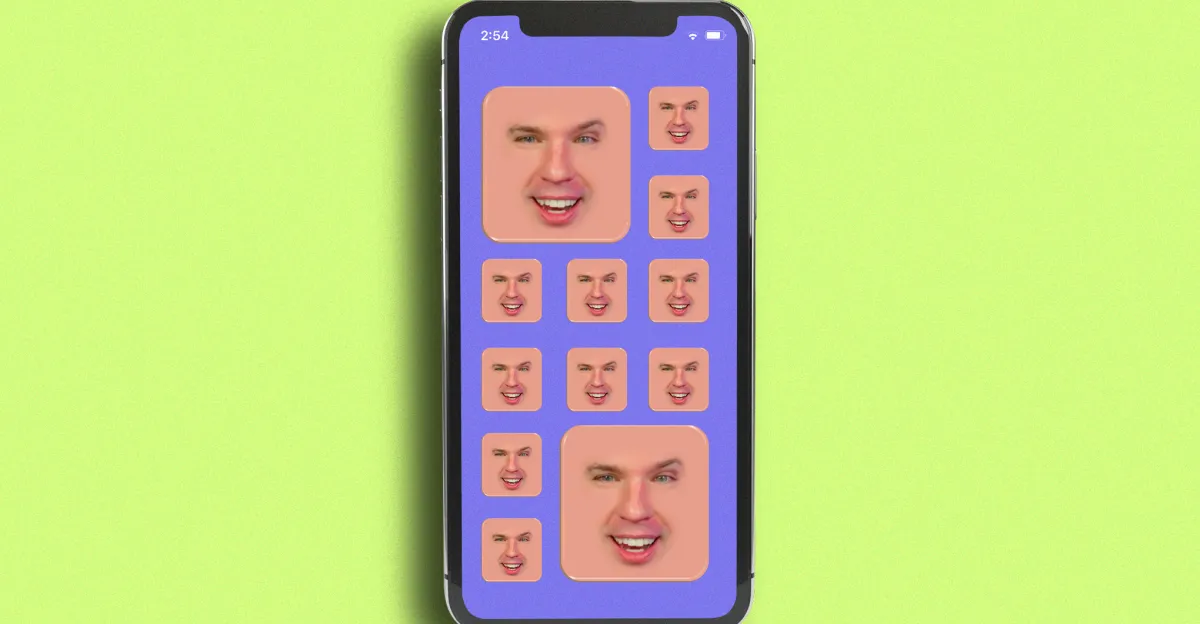
The landscape of software development is undergoing a structural shift as generative AI tools empower non-professional users to create custom applications tailored to specific needs. This trend, often referred to as “vibe coding,” has driven a 30 per cent increase in new app submissions to the Apple App Store in 2025, effectively reversing a decade of slow decline in new entries.
According to reporting by The Verge, the surge is attributed to the accessibility of tools such as Anthropic’s Claude Code and OpenAI’s Codex. These platforms allow individuals to build functional software for personal tasks, such as budgeting or scheduling, without requiring traditional programming expertise. The volume of submissions is significant enough that projections suggest the total number of apps on the Apple App Store could double by the end of 2026, rising from just shy of 2 million at the close of 2024.
Market data reinforces the scale of this adoption. GitHub reported its fastest year of growth in 2025, with 80 per cent of new users employing the Copilot coding agent within their first week on the platform. This indicates a rapid integration of AI-assisted development into the workflows of both novice and experienced programmers, facilitating the creation of bespoke solutions that were previously out of reach for non-technical users.
Despite the ease of creation, industry experts note distinct limitations in design capabilities and security. Professional developers are increasingly expected to pivot toward building foundational infrastructure and “primitives,” such as security systems and login frameworks, rather than constructing end-user applications from scratch. This shift aims to provide the stable scaffolding necessary for the growing volume of user-generated software.
The emergence of personal software challenges the traditional model of mass-market applications designed to be passable for everyone. While bespoke tools offer precise functionality for individual users, they lack the support lines and rigorous testing of commercial products. Consequently, the market is evolving toward a hybrid model where professional developers provide robust underlying systems, allowing users to customize interfaces and workflows to their exact specifications.
