Apple adds digitally signed photo mode to iPhone 18 Pro
Reference Image uses sensor-level cryptographic signatures and Private Cloud Compute to provide evidence about a photo’s capture and processing history.
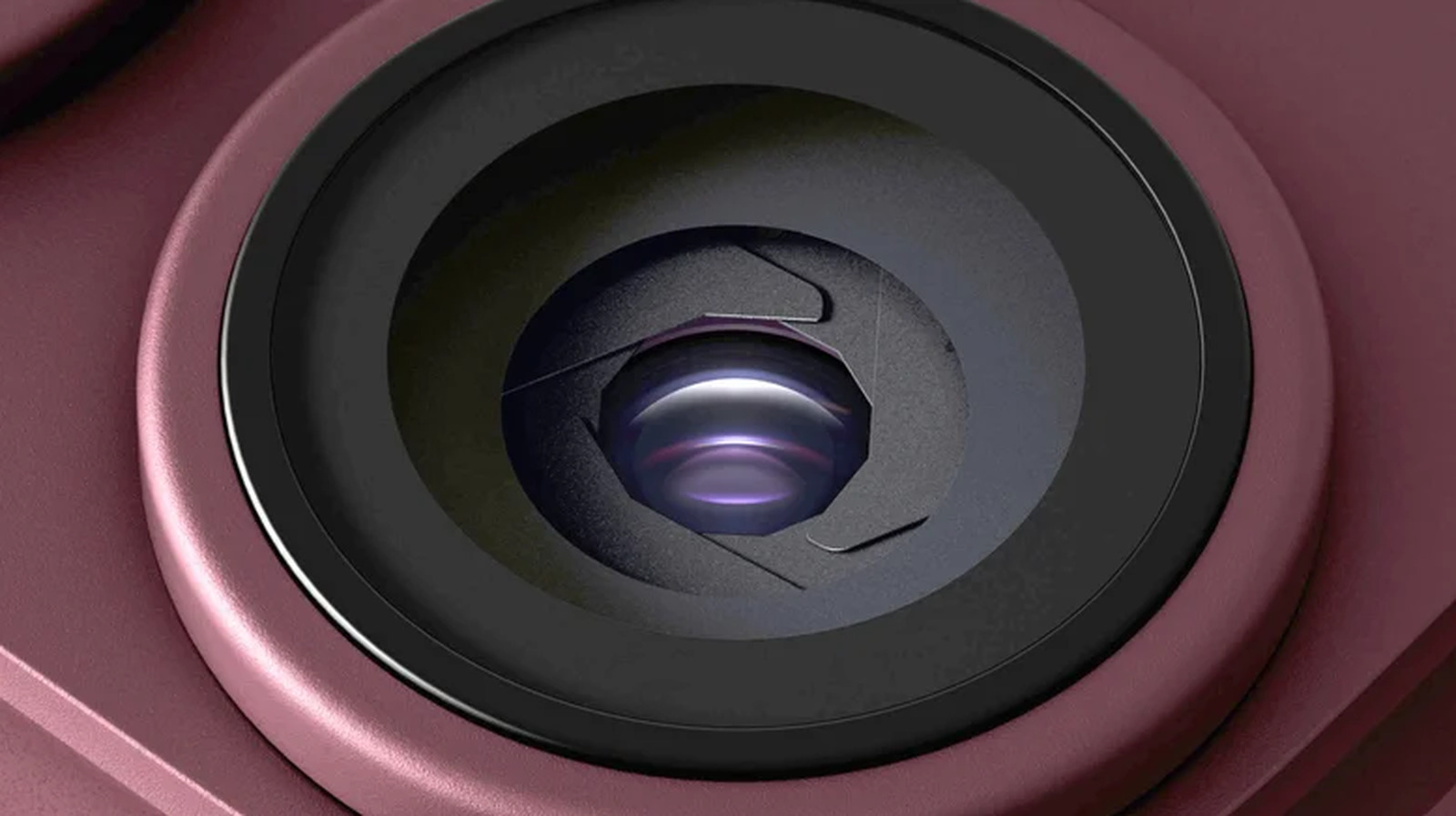
Apple has introduced an opt-in Reference Image mode for the main cameras of the iPhone 18 Pro and Pro Max in supported regions, according to Engadget. The feature is designed to help assess whether a photograph’s capture record has been altered as image manipulation and generation tools become more accessible.
When enabled, the camera sensor signs captured image data with a device-specific cryptographic key. The phone’s security processor also signs parts of the capture record, allowing Apple’s service to check that the sensor and handset belong together. Apple says the approach is intended to guard against changes made before an image is marked as authentic.
Reference Images are initially stored as DNG digital negatives. When the user develops a photo, it is sent to Apple’s Private Cloud Compute service, which checks the signatures and capture timestamps before processing the image and returning a signed JPEG. Apple says the service is designed to process images without making them accessible to the company, while keeping the photographer and device identity private.
The system uses signed timestamps to establish the earliest possible capture time and a later window. It does not identify the exact second a photo was taken, and the window can widen if the phone is offline or timestamp information is unavailable. Apple also says its service checks whether the image data has characteristics expected from an iPhone camera sensor.
Reference Image does not establish that an event shown in a photograph actually occurred. Its claims about privacy, security and effectiveness are based on Apple’s description and have not been independently verified in the supplied material. Compatible devices running iOS 27, iPadOS 27 or macOS 27 can view the images.