Apollo Global Management CEO warns of 30 per cent to 35 per cent chance of major market shock
Apollo Global Management has identified a significant risk of economic disruption, prompting a strategic pivot toward higher credit quality and substantial cash reserves
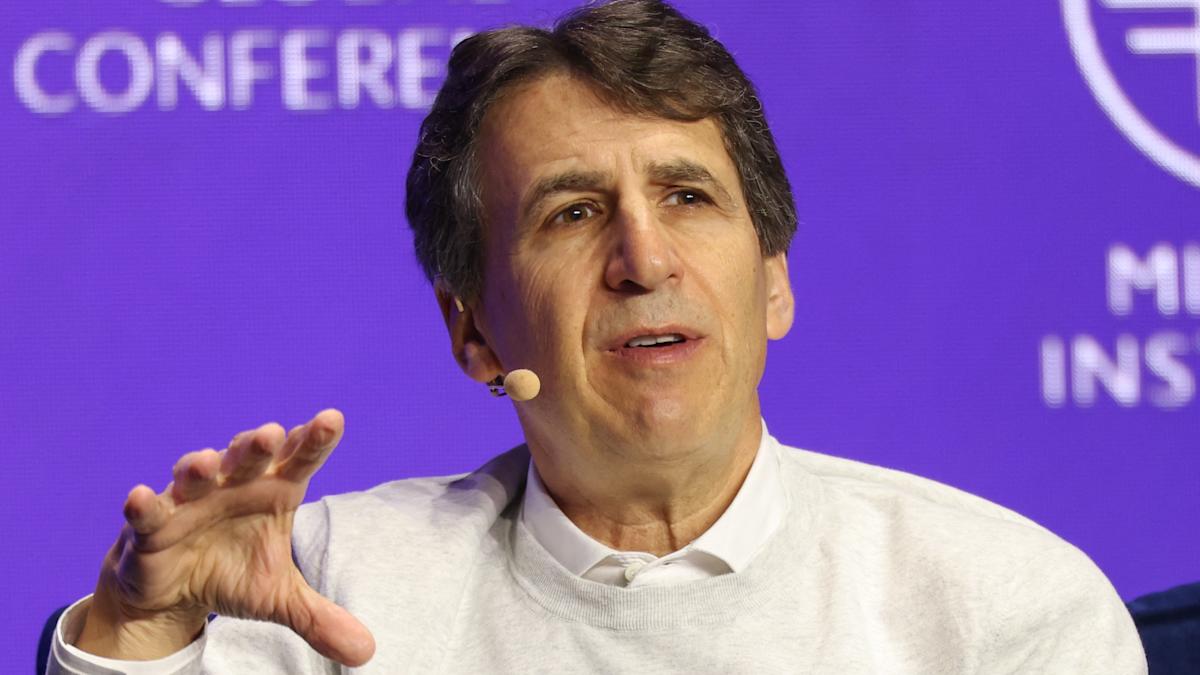
Apollo Global Management CEO Marc Rowan has issued a stark warning regarding the stability of global markets, estimating a 30 per cent to 35 per cent probability of a significant economic disruption. This assessment comes despite current market highs appearing robust, with Rowan noting that while visible conditions are strong, the firm anticipates a much greater chance of out-of-the-box results. The outlook reflects a growing concern that Wall Street may be underestimating the potential for sudden, unanticipated shocks to the financial system.
The firm attributes this elevated risk to a convergence of specific macroeconomic and technological pressures. Rowan points to inflationary policies, including tariffs and restrictions on the free movement of goods and labour, which he argues are inherently inflationary in the short term even if current data appears stable. Geopolitical instability and transformative shifts in the labour market driven by artificial intelligence further compound these risks, creating an environment where traditional economic models may not hold.
In response to these threats, Apollo is executing a defensive strategy designed to protect capital and ensure the firm can ride through potential market corrections. The company has upgraded the credit quality of its fixed-income portfolio and reduced exposure to riskier sectors, specifically citing the software industry. These measures are part of a broader effort to mitigate contagion risks, defined as the cumulative effect of shocks spreading across interconnected financial systems, markets, and countries.
To bolster its balance sheet against volatility, Apollo has built up approximately $40 billion in cash reserves within its insurance operations. This liquidity provides a buffer to manage potential downturns without being forced into distressed selling. Rowan emphasised that the firm sits at the epicentre of interconnectivity between private credit, insurance, and retirement investing, overseeing roughly $1 trillion in assets, which necessitates a cautious approach to safeguarding capital during uncertain times.
The impact of artificial intelligence on the labour market remains a central concern in Apollo's outlook. Rowan predicts a complete flip in the workforce, where blue-collar roles may ascend while white-collar roles face stress due to automation. He suggests that almost every job will be enhanced or replaced, a trend supported by educational institutions estimating that between 30 per cent and 46 per cent of hours spent on white-collar work could be performed by generative AI.
For investors, the broader takeaway from Apollo's strategy is the importance of diversification and downside protection. While the firm does not advocate abandoning markets, it highlights the need for shock absorbers rather than sandbags. Successful investors are increasingly prioritising security through diversified portfolios that include bonds, gold, infrastructure, and real estate, aiming to ensure that at least one protector is working in every market scenario.