Anthropic’s Claude Fable 5 demonstrates advanced coding capabilities in early testing
AI researcher Ethan Mollick reports the model outperforms other public systems, generating functional video games and detailed maps with minimal input.
Anthropic has released Claude Fable 5, the first publicly available iteration of its Mythos model, marking a significant step in the company’s artificial intelligence strategy. The release has drawn immediate attention from the technology sector for the model’s demonstrated capacity to execute complex software specifications through natural language prompts.
Ethan Mollick, an AI researcher and University of Pennsylvania scholar, conducted initial testing on the system and reported that it outperformed other public models by a considerable margin. Writing on his Substack, Mollick noted the model was capable across a wide range of problems and could sustain work for up to a dozen hours while executing multi-page specifications.
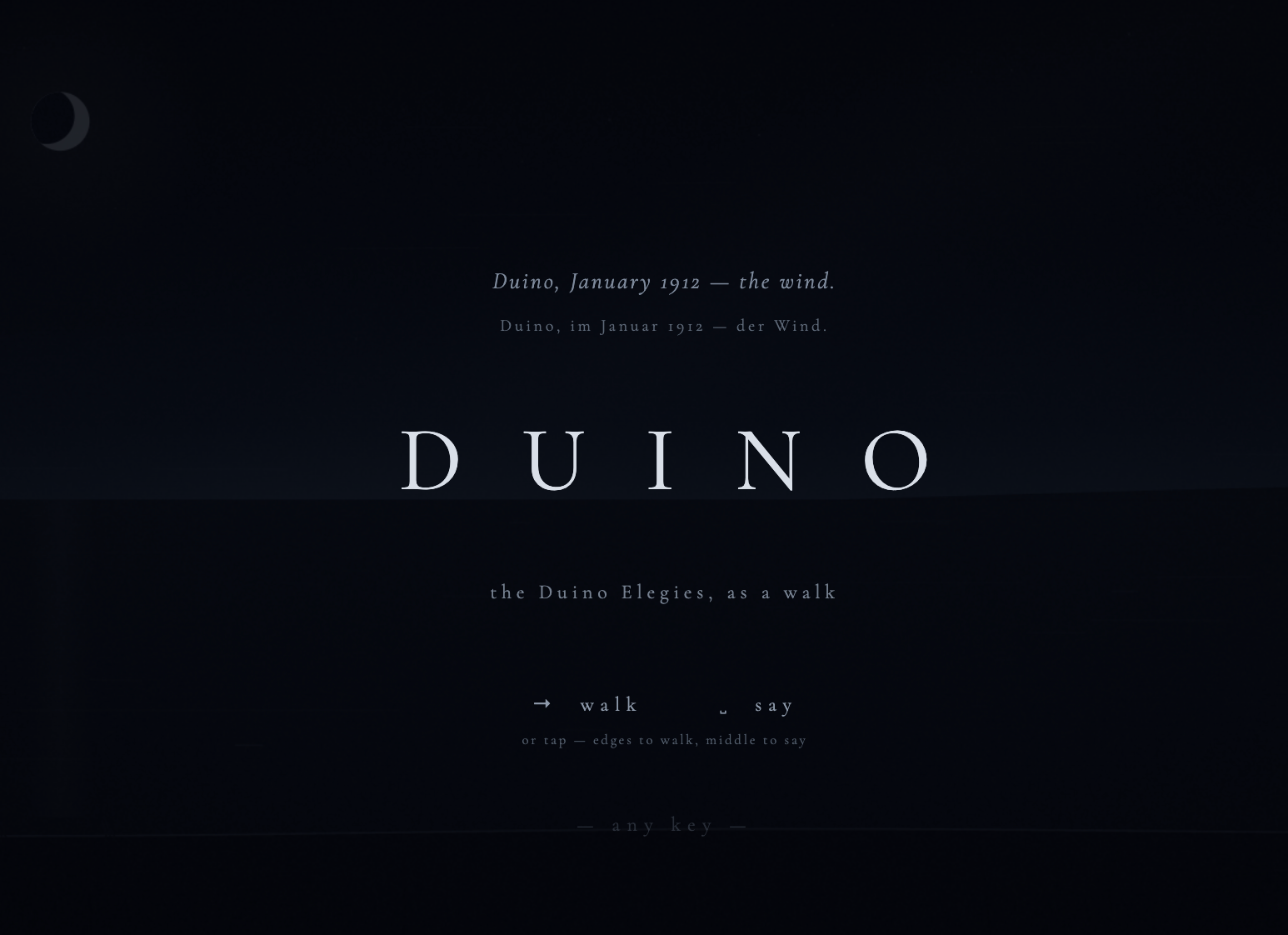
Mollick’s testing involved generating multiple video games from single initial prompts using Claude Code. The output included Snake, an arcade-style game where a player-controlled snake consumes apples without stopping, and Strata, a subterranean exploration game where the objective is to light lanterns. Mollick also created Duino, a title based on Rainer Maria Rilke’s Duino Elegies, featuring a lone figure in a nocturnal landscape with poetic passages appearing on screen.
Beyond gaming, Mollick utilised the model to produce an isochronic travel map, which visualises the time required to travel between various locations. He described the accuracy and detail of the map as arresting, further illustrating the model’s ability to handle intricate data visualisation tasks alongside creative software development.
The release serves as a notable data point for the "vibe coding" community, a group of developers who rely on AI to generate code and software through natural language rather than traditional programming methods. Industry observers view the event as evidence of the rising baseline for AI capabilities, suggesting that software projects previously requiring entire teams are increasingly being spun up from single prompts.