Anthropic lifts latency restrictions on Claude voice mode, enabling Sonnet and Opus access
The update, available across mobile and desktop platforms, introduces a turn-based architecture that contrasts with OpenAI’s duplex system, while integrating with Gmail, Slack, and Google Calendar.
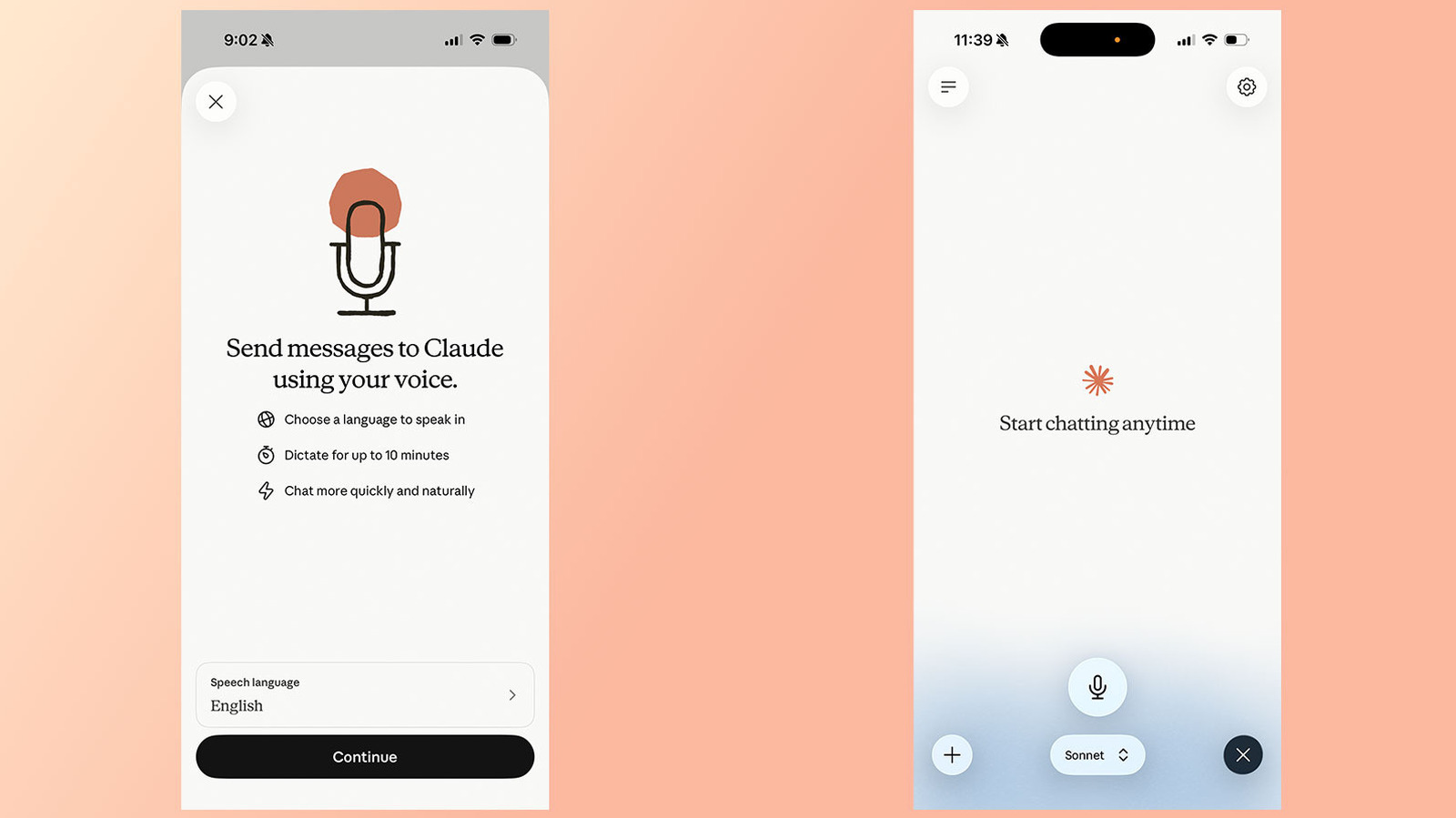
Anthropic has significantly expanded the capabilities of its Claude voice mode, removing previous latency-driven restrictions that limited the feature to the Haiku model. The update, which rolled out in July 2025, now allows users to interact with the chatbot using the more powerful Sonnet and Opus models. This shift marks a strategic move to enhance the utility of voice interactions, which are now available on Android, iOS, desktop, and web platforms, with the company noting that the feature performs optimally on mobile devices.
The architecture of Claude’s voice mode remains turn-based, requiring users to pause for the system to generate a response. This design choice stands in contrast to OpenAI’s recently updated duplex voice mode for ChatGPT, which allows for simultaneous speech processing and output generation. Anthropic advises users to ask multi-part questions sequentially, as the turn-based system may interpret brief pauses as the end of a prompt, potentially disrupting complex queries.
Integration with third-party services represents a key component of the update. Users can now query data from connected applications, including Gmail, Google Calendar, and Slack. For instance, users can request summaries of recent emails or calendar events directly through voice commands. Accessing these services for the first time requires users to grant specific permissions within the interface, ensuring controlled access to personal data.
Model availability is tiered based on subscription status. Free accounts retain access to voice mode but are restricted to the Haiku and Sonnet models. The Opus model, designed for complex tasks, is available exclusively to paid subscribers. Regardless of the model used, voice mode conversations continue to count against user usage limits, and free accounts are limited to a single connected service integration.
As of July 2026, the feature supports 14 languages, with varying voice options and dialects depending on the selection. English users can choose from five distinct voice options and adjust speech cadence to slow, normal, or fast. The system does not support mid-sentence language switching; users must state their intent or manually change settings in the menu. Recording modes are available in both hands-free and push-to-talk configurations, with the former recommended for quiet environments.
