Anthropic expands AI safety initiative to 150 organisations across 15 countries
The AI developer extends its external testing framework to new partners globally, coinciding with broader geopolitical shifts in technology trade and chip exports.
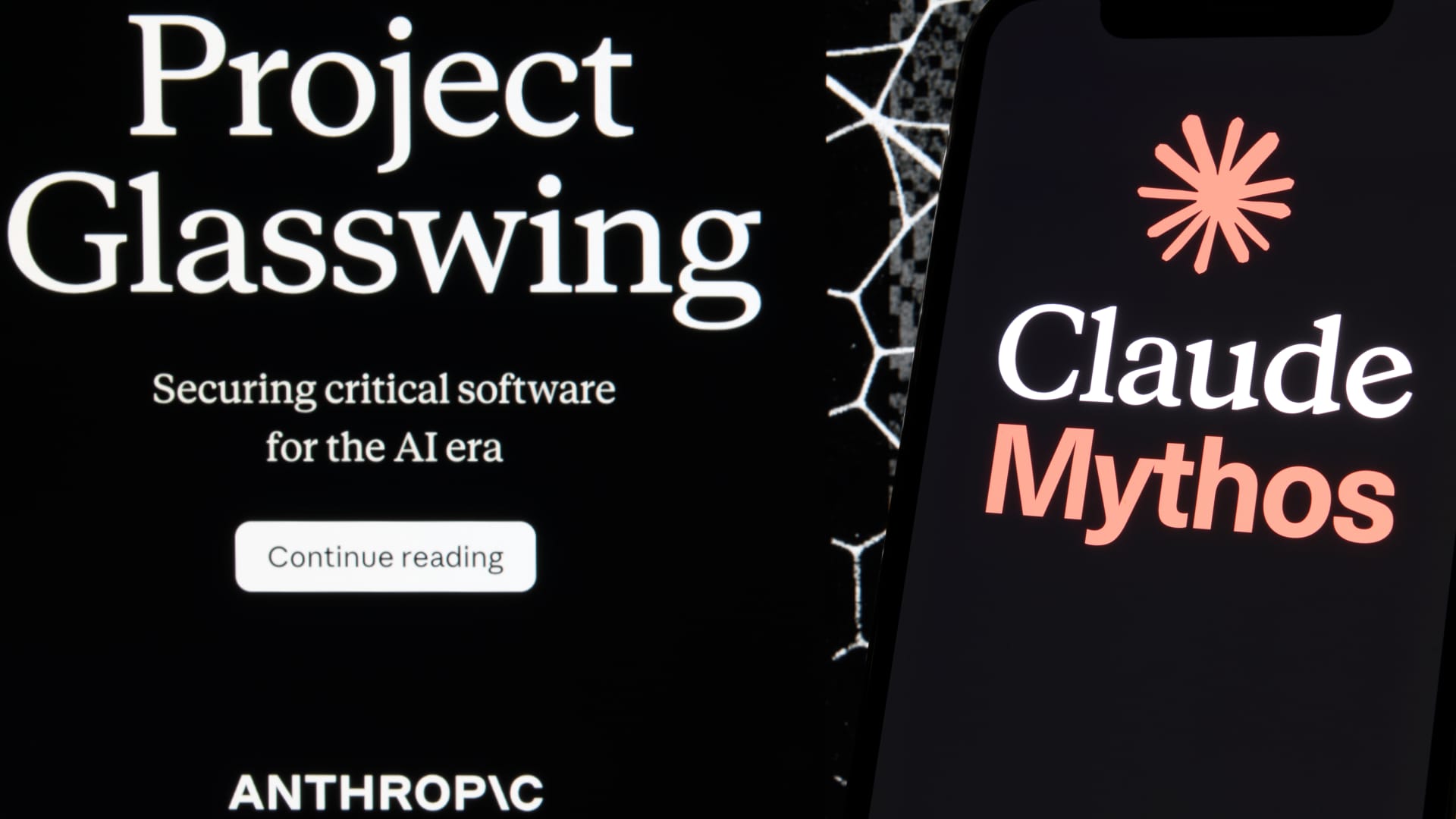
Anthropic has announced a significant expansion of its Mythos initiative, adding 150 additional organisations to the programme across more than 15 countries. The move marks a scaling of the company’s external engagement strategy, building upon an initial phase that began earlier this year.
The expansion follows the rollout of Project Glasswing in April, which engaged approximately 50 partners to test the company’s models for cybersecurity flaws. This earlier iteration served as a pilot for the broader Mythos framework, establishing a baseline for how external entities could interact with and stress-test the technology before wider distribution.
While the specific identities of the new 150 organisations and the countries involved have not been disclosed, the scope of the expansion suggests a deliberate effort to diversify the testing pool and gather feedback from a wider range of international stakeholders. The initiative remains focused on identifying vulnerabilities and improving the security posture of the underlying models.
The announcement comes amid a period of heightened market activity driven by geopolitical developments. US stock markets rose on Thursday as US President Donald Trump and Chinese President Xi Jinping commenced a two-day summit in Beijing. The Dow Jones Industrial Average gained 0.8%, the S&P 500 rose 0.3%, and the Nasdaq Composite climbed 0.2%.
Investor sentiment was further buoyed by news that the US approved H200 chip sales to Chinese firms, causing Nvidia shares to surge more than 2%. The summit agenda covers trade, artificial intelligence, and tensions in the Strait of Hormuz, creating a complex backdrop for technology companies navigating regulatory and export control landscapes.
Anthropic’s expansion of Mythos occurs against this backdrop of evolving international relations and market volatility. By extending its testing network, the company appears to be preparing for a more integrated role in the global AI ecosystem, even as trade policies and chip export rules continue to shift between major economies.
The company has not provided further details on the specific outcomes of the initial Project Glasswing phase or the technical metrics used to evaluate the cybersecurity flaws. However, the move to scale the initiative indicates that the initial pilot met the necessary criteria for broader implementation.