Anthropic CEO rejects claims his AI warnings fuel public backlash
The Anthropic chief pushes back against investor Gavin Baker’s assertion that the company’s cautionary tone has damaged the industry, while defending its regulatory strategy as a mechanism to level the playing field for smaller rivals.
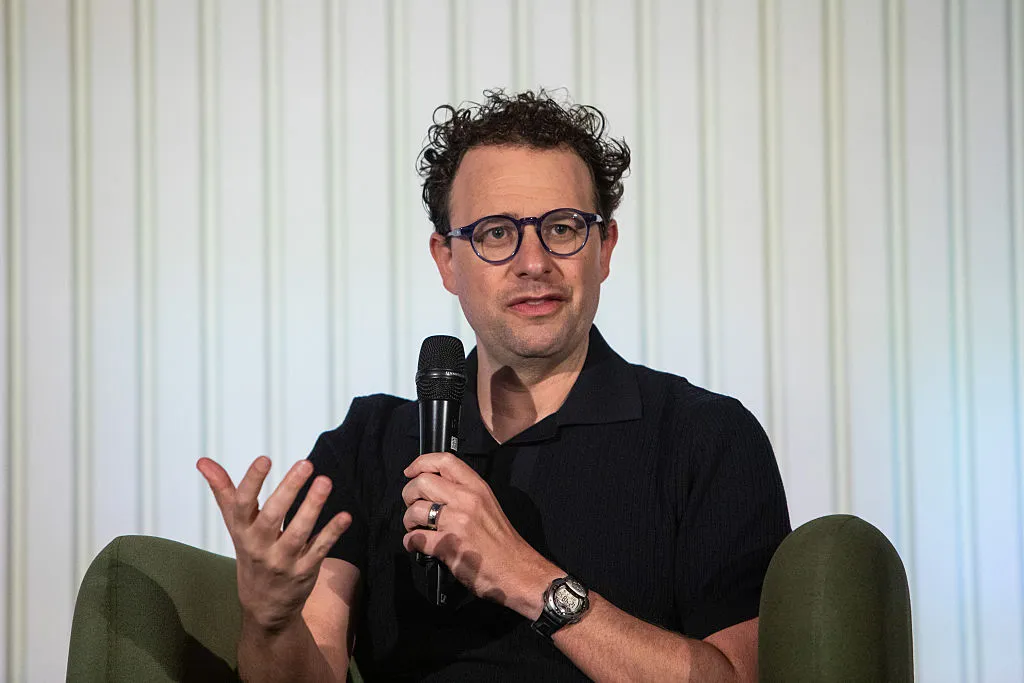
Anthropic chief executive Dario Amodei has firmly rejected the assertion that his public warnings regarding artificial intelligence have driven negative sentiment and backlash against the sector. In a direct response to investor Gavin Baker, Amodei argued that the opposition to AI is rooted in a broader, decades-long crisis of trust in corporations and governments, rather than the communications of industry leaders.
Baker, speaking on the All-In podcast and on X, suggested that Amodei has “lost the argument” on regulation and should instead act as a more positive advocate for his industry. Baker contended that the dire warnings issued by AI executives have contributed significantly to public scepticism, particularly regarding the expansion of data infrastructure.
Amodei disputed the characterisation that his messaging has been disproportionately negative. He stated that his communications, including his essay “Machines of Loving Grace,” have been balanced between risks and benefits. He explained that he wrote the essay because he felt the industry was failing to present an inspiring vision of how the technology could transform the world for the better.
Acknowledging the public’s negative view of AI, Amodei attributed this sentiment to a deep-seated distrust of the tech industry and its promises. He emphasised that the most accurate criticism facing AI companies, including Anthropic, is their failure to deliver on their big promises to benefit the world, rather than issues surrounding marketing or messaging.
On the topic of regulation, Amodei challenged the notion that policy constraints inevitably lead to market concentration. He described the Silicon Valley view that regulation equals regulatory capture as an overly simplified perspective. Instead, he defended Anthropic’s support for measures such as California’s transparency bill for large AI companies, stating the proposals are designed to disadvantage frontier AI firms while advantaging smaller competitors.
Amodei noted that while many outside the tech sector view regulation as a way to constrain corporate power, Anthropic carefully crafts its policy proposals to influence market dynamics. He insisted that the industry must focus on delivering tangible benefits to rebuild trust, rather than debating the tone of executive discourse.
The exchange highlights the ongoing strategic divergence within the AI sector regarding how to navigate public perception and government oversight. As competition intensifies between major players like Anthropic and rivals such as OpenAI, the debate over whether regulation serves as a barrier to entry or a tool for market stability remains central to industry policy.