Anduril and Meta prototype AI-driven smart glasses for US Army
The Soldier Born Mission Command program aims to integrate AI target recognition and eye-tracking drone control, though mass production is not expected before 2028.
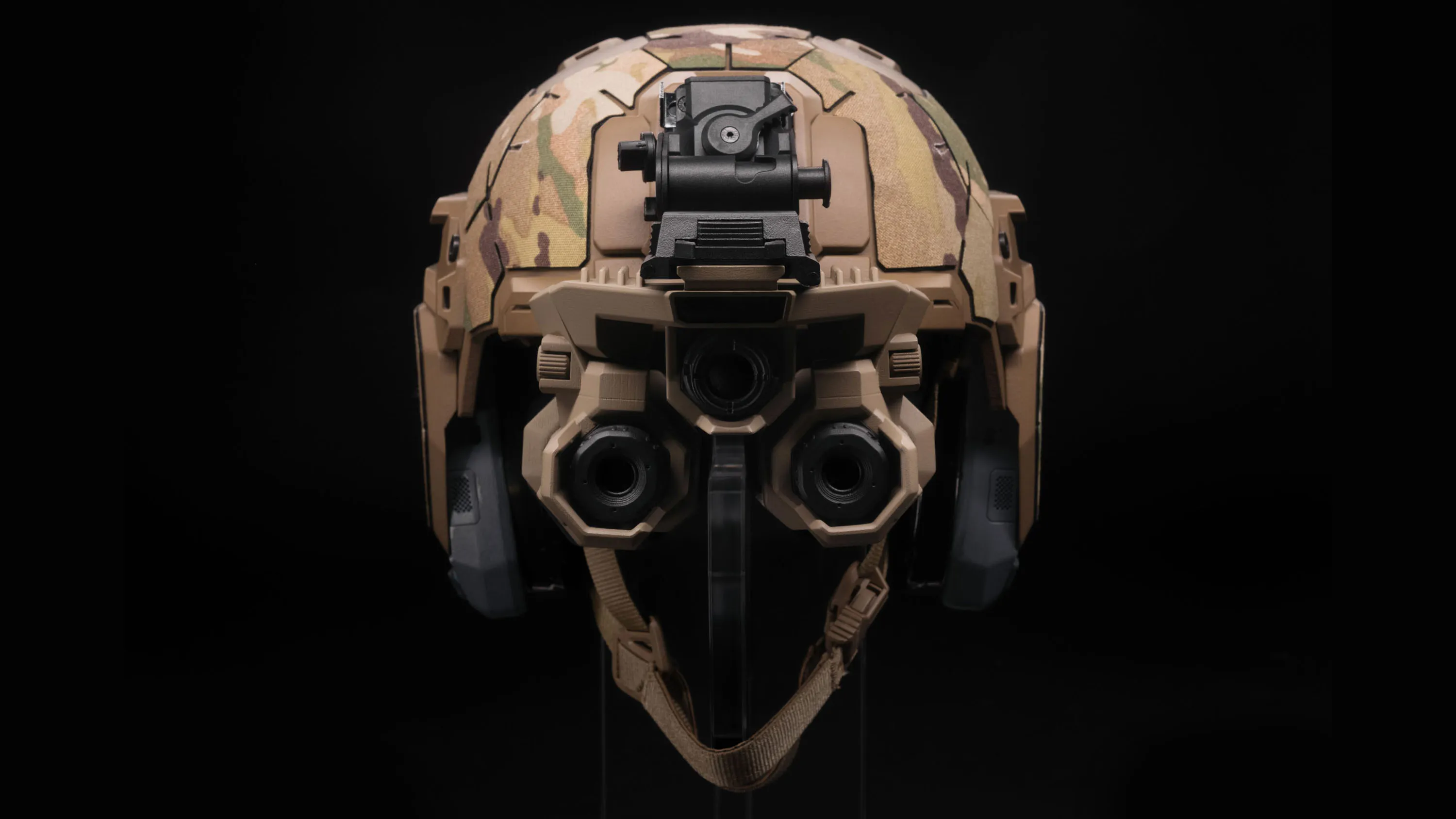
Anduril Industries and Meta are collaborating on augmented reality smart glasses for the US Army, aiming to reduce information overload for soldiers through AI-driven target recognition, eye-tracking drone control, and voice commands. The partnership operates under two distinct projects: the Soldier Born Mission Command (SBMC), supported by a $159 million prototyping contract, and a separate self-funded initiative called EagleEye. Production for the SBMC program is not expected before 2028, contingent on the Army selecting a final vendor.
Quay Barnett, a vice president at Anduril and former Special Operations Command officer, stated that the fundamental goal is to optimise the human as a weapons system. The vision involves drones and soldiers seeing together and sharing information seamlessly. Depending on the situation, the glasses will overlay information such as compass data, area maps, or AI-recognised targets like vehicles onto the soldier’s field of view.
The system utilises large language models, including Google’s Gemini, Meta’s Llama, and Anthropic’s Claude, to translate soldier speech into software commands. Anduril’s Lattice software serves as the engine, integrating data from various military hardware systems into a single picture. The Army announced in March that it would spend $20 billion to integrate Lattice into its entire infrastructure.
Component parts for the prototypes began arriving in March, necessitating new supply chains that exclude Chinese companies due to federal contracting rules. Meta is manufacturing key hardware components, including displays and waveguides, despite the historical conflict between Meta and Anduril founder Palmer Luckey. Anduril is also developing a new digital night vision system using generative AI and machine learning to improve image clarity and speed.
Experts warn of potential cognitive burdens and reliability issues in harsh environments. Jonathan Wong, a senior policy researcher at RAND, noted that soldiers might reject the product if it costs more mental bandwidth than it saves. Competitors in the US Army’s augmented-reality contest include Rivet, which received a $195 million prototyping contract, and Israeli firm Elbit, which secured a $120 million contract.
