Andrew Yang launches Noble Mobile to pay users for reduced screen time
Noble Mobile aims to counter the attention economy by compensating users for less smartphone usage, marking a pivot from Yang’s 2020 Universal Basic Income campaign.
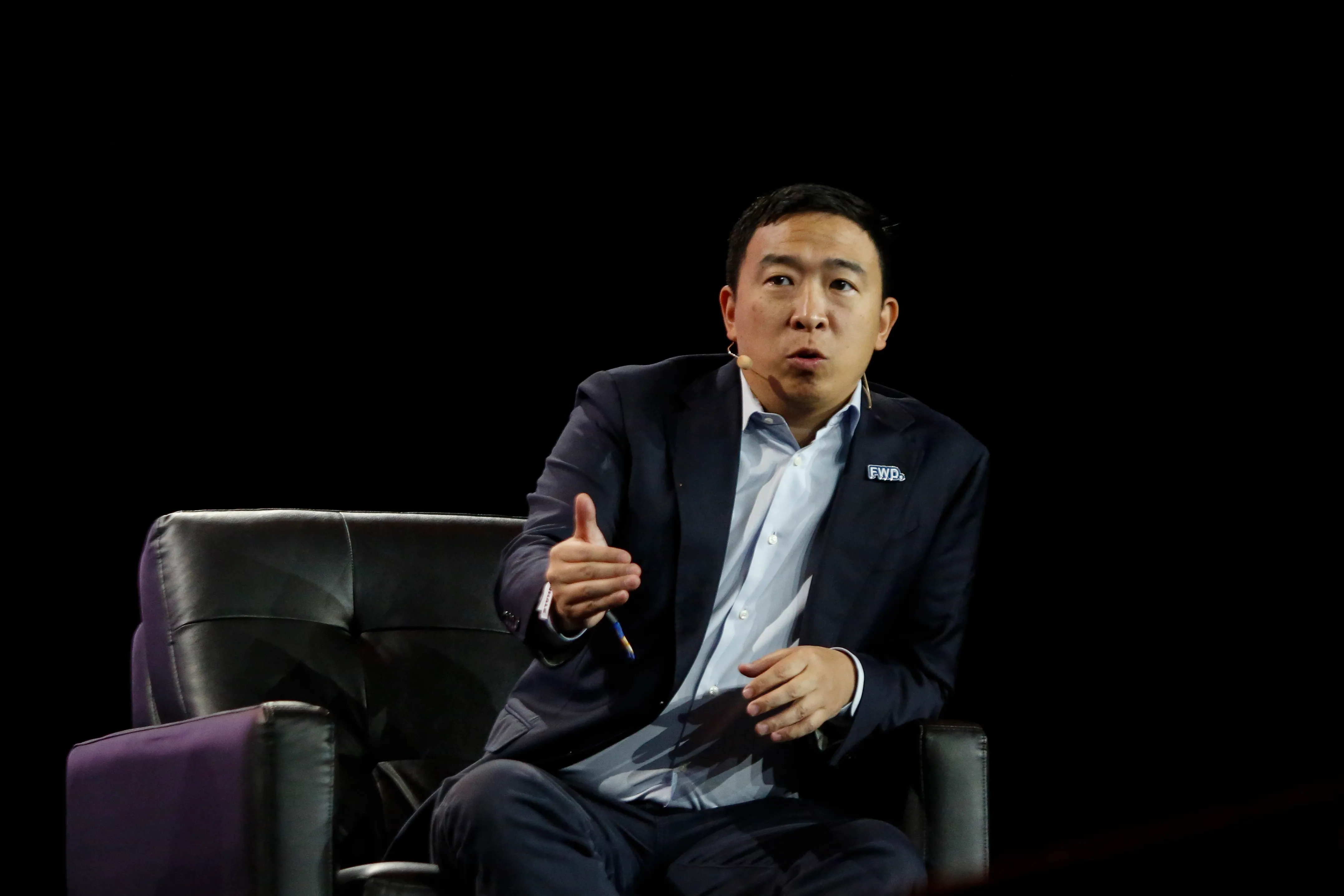
Former US presidential candidate Andrew Yang has launched Noble Mobile, a startup designed to pay users to reduce their smartphone usage. The venture represents a strategic shift from Yang’s previous political advocacy for policies such as Universal Basic Income (UBI) toward direct entrepreneurial action. Yang discussed the initiative on TechCrunch’s Equity podcast with host Rebecca Bellan, outlining how the company intends to combat the "attention economy" where human attention is harvested as a scarce commodity by digital platforms.
The launch coincides with a broader shift in discourse surrounding automation and artificial intelligence. During Yang’s 2020 presidential campaign, warnings that AI would hollow out the labour market and concentrate wealth were considered fringe. Today, similar concepts have gained traction among prominent figures including Dario Amodei, Sam Altman, and Bernie Sanders, who are now advocating for versions of UBI. Yang’s current approach focuses on building private-sector solutions to address the economic impacts of these technologies.
Noble Mobile’s business model involves compensating users for less screen time, positioning the startup as a counter-measure to the attention economy. Yang stated that the initiative is a response to perceived government inaction regarding the economic disruptions caused by automation and AI. By putting money back into the hands of people through reduced phone bills, the venture seeks to provide an immediate, tangible benefit rather than waiting for legislative change.
The concept of UBI has evolved significantly since the 2020 election cycle. What was once a marginal policy proposal is now part of mainstream discussion among tech leaders and politicians. Yang’s move to launch Noble Mobile reflects a pragmatic adaptation to this changing landscape, leveraging his entrepreneurial instincts to address issues that he argues policymakers have failed to resolve.
While the specific financial mechanics of how much users are paid or the exact revenue model for Noble Mobile are not detailed in the source material, the venture marks a clear departure from traditional political campaigning. Yang’s focus is now on demonstrating how startups can operate effectively when government structures are slow to adapt to technological disruption.
The long-term viability and user adoption rates of the startup remain unestablished. Claims regarding the effectiveness of Noble Mobile in combating the attention economy are currently unverified. However, the launch highlights a growing trend of high-profile figures attempting to solve systemic economic problems through private enterprise rather than public policy.
Yang’s narrative that he is acting because the government will not move reflects his perspective on the current political climate. This approach contrasts with the collective advocacy seen among other tech and political leaders who are pushing for UBI through policy channels. Noble Mobile stands as a distinct experiment in applying market-based solutions to the challenges of the digital age.