Anbernic Unveils RG Rotate: Compact Android Handheld Targets Retro Emulation
Preorders open May 11 for a pocketable gaming unit running Android 12, starting at $87.99.
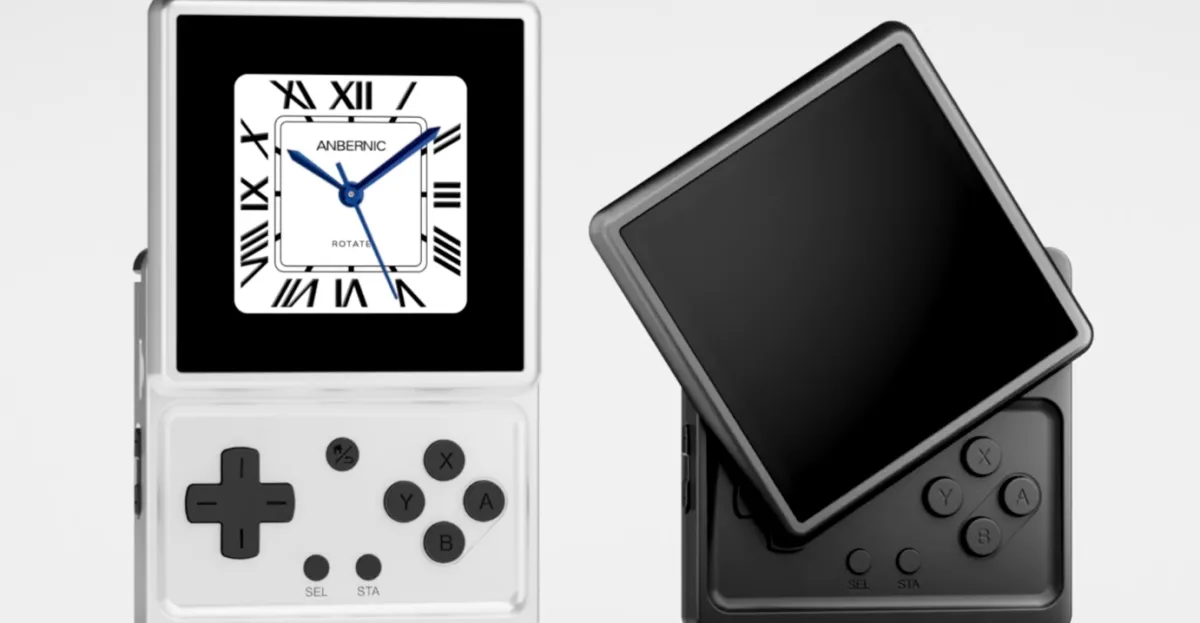
Anbernic has announced the launch of the RG Rotate, a new handheld gaming device distinguished by its rotating 3.5-inch square LCD touchscreen. Running on Android 12, the unit is engineered to emulate titles from the PlayStation 1, Nintendo 64, and select GameCube eras. The announcement marks a strategic shift for the manufacturer, which previously released a sliding-screen handheld in June that drew criticism from reviewers for being too chunky and thick.
The RG Rotate addresses these design concerns by offering a more pocketable form factor. Powered by a Unisoc Tiger T618 Octa-core CPU paired with 3GB of RAM, the device is expected to handle most 3D games from the N64 and PS1 generations. While the square screen ensures that Game Boy and Game Boy Colour games fill the display, titles from TV-connected consoles or other handhelds like the Game Boy Advance will require borders or bars to fit the aspect ratio.
Preorders commence on 11 May via Anbernic's online store. The pricing structure offers two distinct build options, starting at $87.99 for a polar black version featuring a metal front and plastic shell. A more premium all-metal silver version is available for $107.99. The device includes Bluetooth connectivity for wireless headphones and comes with an extra set of swappable inner shoulder buttons designed with a raised profile to improve tactile distinction.
Functionality extends beyond gaming when the screen is closed. Anbernic suggests the handheld can double as an MP3 player, utilising the Bluetooth support for wireless audio devices such as Apple AirPods. However, the manufacturer estimates battery life at up to five hours, a claim that remains unverified by independent testing at this stage.
The hardware specifications indicate a focus on specific retro libraries rather than broad compatibility. The processor is anticipated to run most demanding 3D games from the N64 and PS1 eras, alongside some less demanding GameCube titles. The company has not quantified the exact number of GameCube games supported, leaving the extent of that library's performance to user testing.
