Analysts warn SpaceX-Tesla merger could dilute shareholder value and weaken governance
With Musk considering folding Tesla into his aerospace and AI empire, legal and finance scholars highlight the dangers of stock-based acquisitions and the erosion of minority shareholder rights.
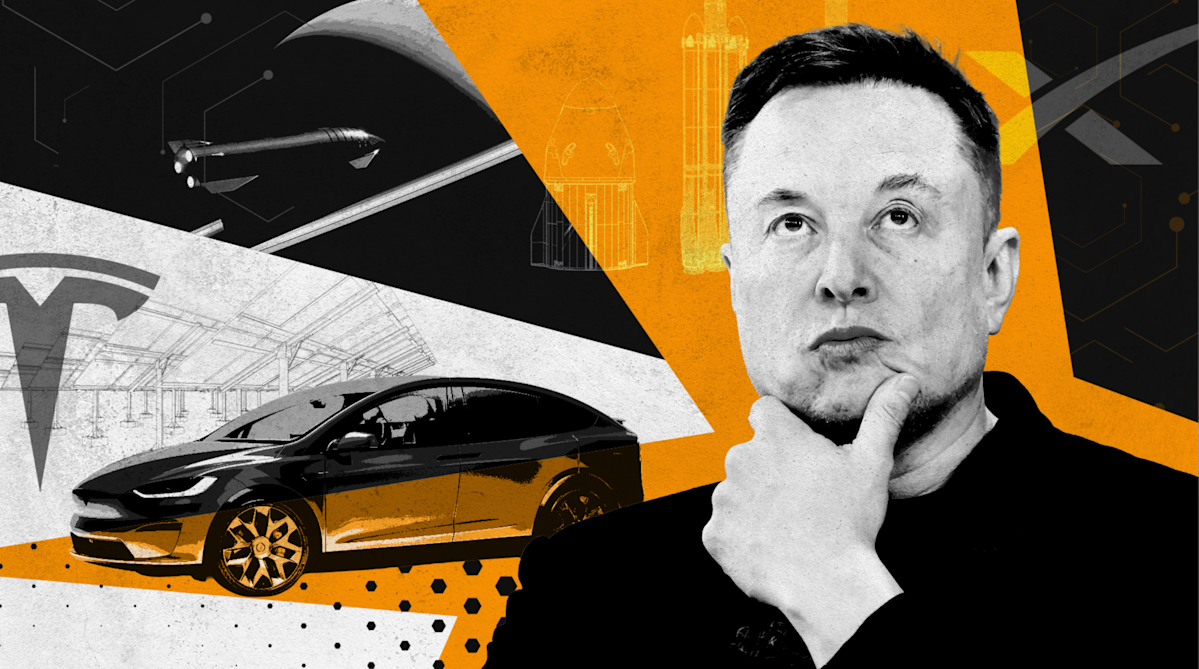
Elon Musk is reportedly considering a merger between Tesla and SpaceX, a move that analysts and corporate governance experts warn could significantly dilute the value of Tesla shares and concentrate control in the hands of the billionaire entrepreneur. According to sources cited by CNBC, Musk has discussed the possibility of folding the two companies together with colleagues, a prospect that Tesla employees expect to “eventually take place.”
The potential transaction would likely involve using SpaceX’s highly valued stock to acquire Tesla. Wedbush analyst Dan Ives noted a “growing chance” that Tesla will merge into SpaceX or xAI, Musk’s artificial intelligence startup, to create a combined ecosystem for space and Earth. This follows the February merger of xAI with SpaceX, which created a combined entity valued at $1 trillion for SpaceX and $250 billion for xAI.
However, the structure of such a deal raises serious concerns regarding corporate governance. Columbia Business School’s Michael Ewens, a corporate finance expert, told Yahoo Finance that a stock-based deal carries significant risks when Musk is on both sides of the table. Unlike a cash transaction, which would offer Tesla shareholders more security, a stock deal could lead to liquidity issues and potential share price declines, particularly if the merger occurs close to SpaceX’s initial public offering.
Governance experts also highlight the disparity in shareholder protections between the two firms. SpaceX’s recently filed IPO prospectus reveals that Musk holds 85% control through special voting shares, and the company does not require independent directors or independent compensation committees. University of Colorado law professor Ann Lipton warned that while some investors prefer consolidated leadership to avoid divided attention, the cost is significant dilution of their stake, particularly if Musk’s Tesla compensation package entitles him to additional shares that would convert to SpaceX stock.
Tesla shareholders would retain voting rights on the merger, but experts caution that this may not serve as a meaningful check given Musk’s existing dominance. Lipton noted that Musk’s history of merging companies he owns, such as the acquisition of Twitter (now X.com) and the bailout of SolarCity, has often benefited him at the expense of other investors. With Tesla’s EV sales stalling and the company facing legal challenges over Musk’s compensation, a merger could effectively remove these distractions but at the cost of weaker mechanisms for minority shareholders to push back.