Analysts favour equal-weighted defence ETF as NATO spending pledges reshape sector outlook
With the US Defense Department budget projected to exceed $960 billion by 2026 and NATO allies committing to 5 per cent of GDP in defence spending, investors are weighing options between concentrated and diversified exchange-traded funds.
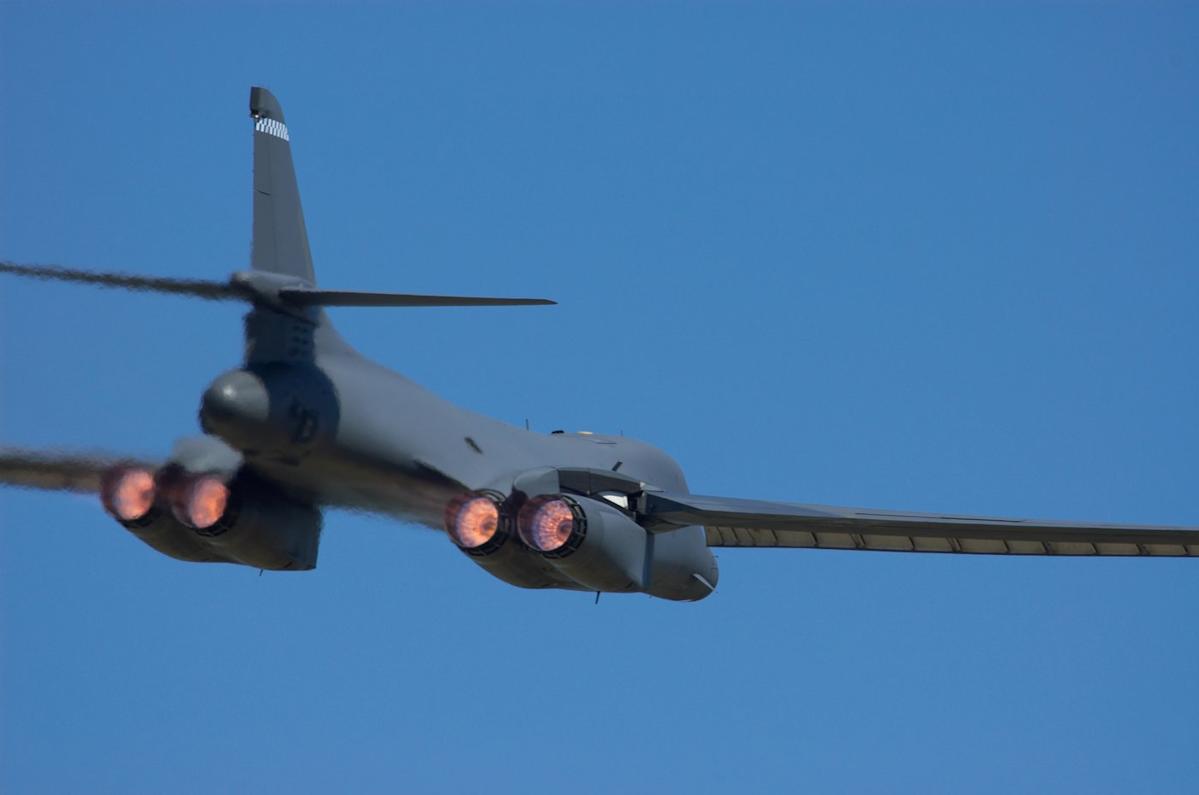
Amidst the conflict in Iran and rising oil prices, financial analysts are highlighting the aerospace and defence sector as a strategic investment opportunity driven by increased global military spending. The uncertainty has created opportunities in certain sectors that tend to outperform in these geopolitical environments, with anticipation for higher demand in aircraft, missiles, and cybersecurity sending share prices higher over the past year.
The analysis, published by The Motley Fool, compares two major exchange-traded funds: the iShares U.S. Aerospace & Defense ETF (ITA) and the State Street SPDR S&P Aerospace & Defense ETF (XAR). While both funds target roughly the same companies in this sector, their portfolio weightings present two very different ways to invest in the industry.
The iShares fund is market-cap-weighted, resulting in nearly half of the portfolio being concentrated in just three companies: GE Aerospace, RTX, and Boeing. Specific portfolio weightings provided for key holdings include GE Aerospace at 19 per cent, RTX at 14.8 per cent, and Boeing at 10 per cent. Other notable positions include Rocket Lab at 5.6 per cent, Hexcel at 3.4 per cent, and BWX Technologies at 3.4 per cent.
In contrast, the State Street SPDR S&P Aerospace & Defense ETF employs an equal-weighted structure. The author recommends the SPDR fund for its broader diversification, noting that while there is still some top-heaviness, exposures are much more spread out. This approach allows investors to invest in the theme rather than just a few companies within it, reducing vulnerability to downside risk should anything happen to one of the largest names.
The recommendation is underpinned by projected increases in global defence budgets. The US Defense Department requested a budget of approximately $850 billion for 2025, with that number jumping to more than $960 billion in 2026. Additionally, at the 2025 NATO summit, allied nations agreed to an annual defence spending requirement of 5 per cent of their gross domestic product, an increase from the previous 2 per cent guideline.
The Motley Fool discloses that it holds positions in and recommends BWX Technologies, Boeing, GE Aerospace, RTX, and Rocket Lab. The publisher also notes that its Stock Advisor analyst team identified 10 best stocks for investors to buy, with the SPDR fund not among them, citing historical performance examples of other stocks to illustrate potential long-term returns.
No extra instruction.