Analysts dismiss Amazon LTL threat to legacy carriers despite market jitters
With a footprint of just 30 terminals and a focus on the economy sub-segment, the e-commerce giant’s latest logistics push is viewed by Deutsche Bank, TD Cowen and Morgan Stanley as a marginal challenge rather than a systemic threat to the $60 billion industry.
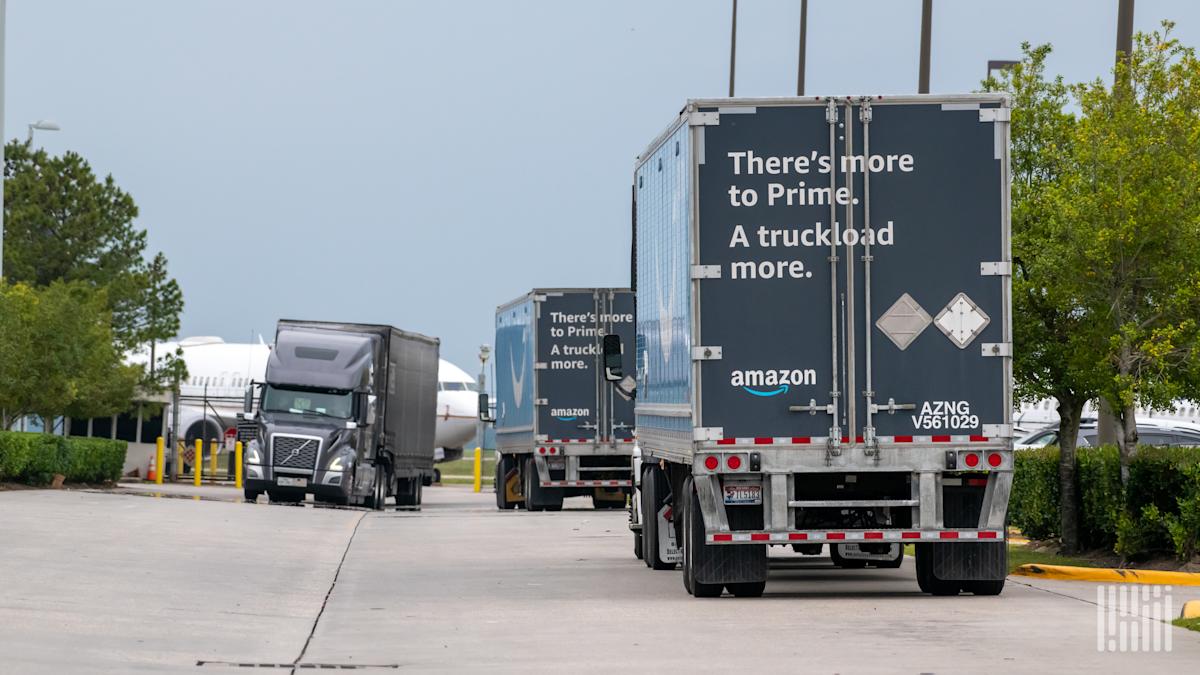
Shares of publicly traded less-than-truckload carriers fell approximately 5% on Wednesday following Amazon’s announcement of a full-scale entry into the U.S. LTL market. Despite the immediate negative reaction, analysts from Deutsche Bank, TD Cowen and Morgan Stanley largely dismissed the notion that the e-commerce giant would significantly disrupt legacy incumbents. The decline was relatively contained, particularly considering the sector has rallied more than 60% year-to-date as broader market indicators signal a recovery in freight demand.
Amazon’s new service utilises an asset-light model operating across roughly 30 terminals within its existing package-delivery network. The offering targets shipments of one to six pallets, weighing between 150 and 15,000 pounds, with features including next-day live pickup and same-day drop-trailer service. However, Richa Harnain, an equity research analyst at Deutsche Bank, noted that the current footprint resembles broker services more than a formidable nationwide asset-based operation. She stated that Amazon’s LTL presence is insufficient to challenge traditional carriers that specialise in transporting heavy pallets with stringent service requirements.
The structural barriers to entry in the LTL sector remain formidable, requiring significant capital outlays for terminal networks, fleets and technology. The market is highly consolidated, with the top five carriers accounting for more than half of the roughly $60 billion in annual revenue. Jason Seidl, an analyst at TD Cowen, suggested that Amazon’s use of an intermodal container pool indicates a focus on the economy sub-segment, which typically offers three to four-day transit times. He argued that while Amazon might capture marginal market share, it is unlikely to drive an exodus of customers from established carriers.
Amazon Freight director Jim Ruiz cited positive feedback from tens of thousands of sellers who have utilised the service since 2019 as the catalyst for the rollout. Ruiz emphasised that the company aimed to provide reliability and visibility comparable to full-truckload shipments. The service is currently concentrated in the Eastern United States, with limited coverage in select Western metros, standing in stark contrast to the 200 to 300 service centres maintained by national carriers.
Morgan Stanley’s Ravi Shanker offered a dissenting view, arguing that Amazon’s flexible operating model could allow it to capture meaningful market share even without best-in-class service levels immediately. Shanker suggested this could strike at the perceived moat of real estate footprint and service that forms the central pillar of the LTL thesis. Meanwhile, the competitive landscape continues to evolve, with FedEx Freight recently spinning off from its parent company and other players like Knight-Swift and TFI International expanding their footprints through acquisitions and organic growth.