Analyst slams SpaceX IPO filing as ‘unserious’ ahead of launch
Co-host argues proposed 107 times sales multiple defies market standards, comparing projected market capitalisation to Walmart while noting lower revenue than Macy’s.
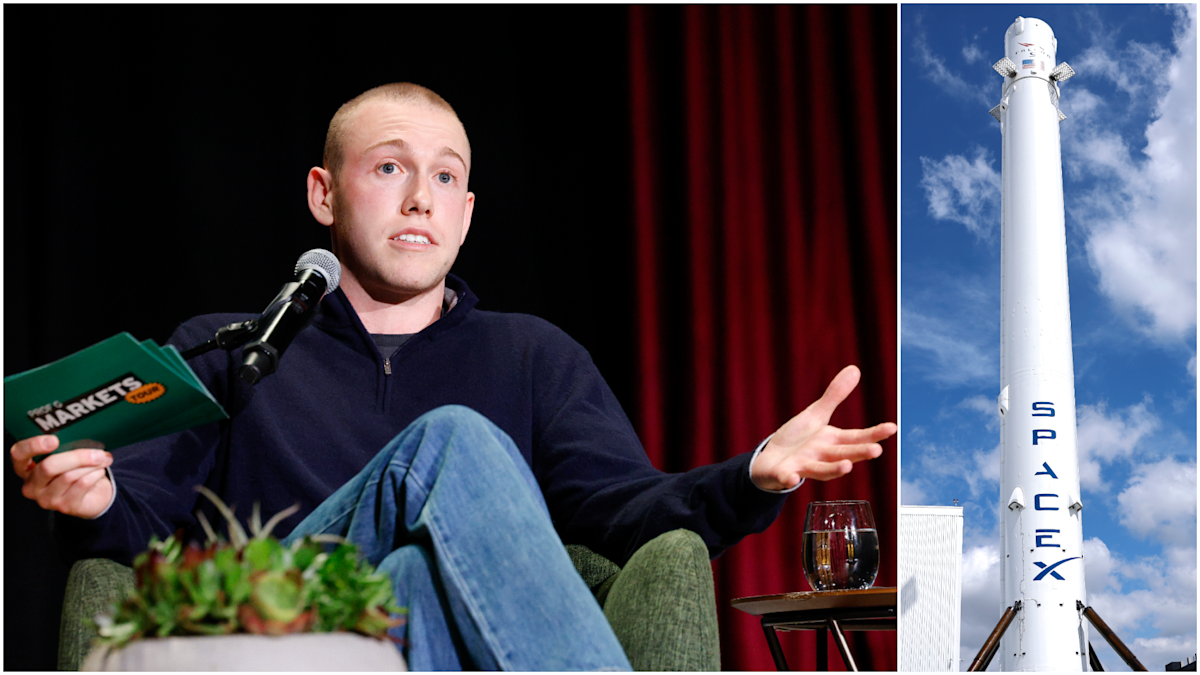
Ed Elson, co-host of the Prof G Markets podcast, has issued a scathing critique of SpaceX’s initial public offering filing, describing the 277-page S-1 document as “unserious, empty, hallucinatory and borderline dishonest.” In a Substack post published recently, the prominent tech analyst challenged the financial metrics and valuation logic underpinning the proposed listing.
Elson highlighted a significant divergence between revenue and expenditure, noting that the company is on track to incur net losses four times greater than the $4.9 billion recorded in the previous year. He pointed out that expenses are currently running at roughly double the company’s revenue, with sales increasing by only 15 per cent year-on-year.
“The problems start early,” Elson wrote, criticising the filing’s use of “psychedelic” language. He noted that the term “AI” appeared 1,251 times in the document, compared to just 11 mentions of “human augmentation,” arguing that the heavy emphasis on artificial intelligence terminology does not align with the firm’s actual financial performance.
The analyst argued that a proposed valuation of 107 times sales defies logical market standards. He compared the potential market capitalisation to Walmart, stating that SpaceX would be twice as valuable as the retail giant while generating less revenue than Macy’s. For context, Elson noted that historical tech IPOs such as Google and Apple were valued at 10 times sales, while Meta was valued at 28 times sales at their respective offerings.
Elson also characterised SpaceX’s xAI unit as a “financial sinkhole” that lost $2.5 billion in the previous year, with quarterly capital expenditures reaching $7.7 billion. He suggested the acquisition was intended to inflate the total addressable market to an estimated $28.5 trillion, thereby justifying a $2 trillion valuation based on speculative sci-fi objectives rather than current earnings.
The analyst further suggested that the structure of the offering may drive passive investment regardless of fundamentals. With 30 per cent of shares reserved for retail investors and an automatic inclusion in the Nasdaq blue-chip index, Elson argued that billions of dollars of passive money would flow into the stock upon listing.
SpaceX has not responded to requests for comment regarding the criticism.