Analysis: Over half of long-shot military bets on Polymarket succeed, raising national security alarms
Between January 2021 and March 2026, more than 400,000 settled markets were examined, revealing a 52% win rate for high-stakes bets on military outcomes compared to just 14% across the platform as a whole.
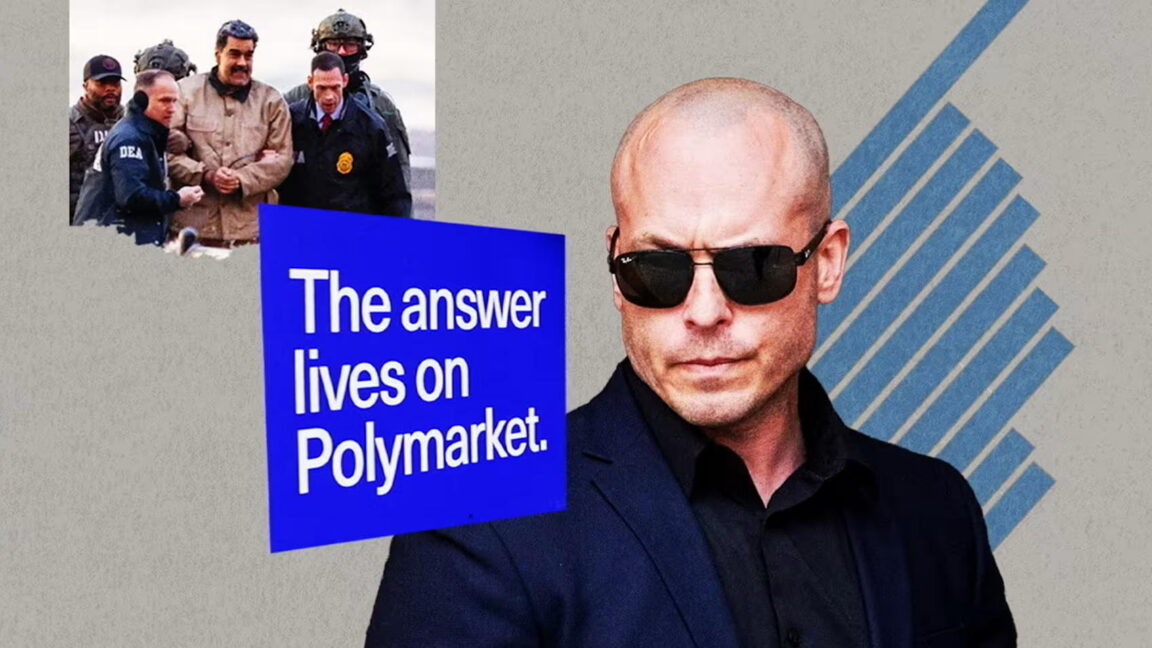
A report released by the Anti-Corruption Data Collective indicates that long-shot bets on military and defence actions on the prediction market platform Polymarket have a success rate of approximately 52%. This figure stands in stark contrast to the 25% win rate observed across politics-focused markets and the 14% average for all markets on the platform. The analysis covers more than 400,000 settled markets between January 2021 and March 2026.
The study defines long-shot bets specifically as wagers of $2,500 or more placed at odds of 35 percent or less. These specific parameters highlight a pattern where high-value bets on sensitive national security events are disproportionately successful. The report suggests that such outcomes are structurally vulnerable to insider trading, creating a dynamic that threatens information security and disadvantages regular bettors.
Recent regulatory actions have intensified scrutiny over these markets. US prosecutors recently charged soldier Gannon Ken Van Dyke with insider trading after he placed bets worth over $33,000 using classified information regarding a raid on Venezuela. This marks the first US prosecution of its kind. Similarly, Israel has filed charges against reservists and civilians accused of using classified information to bet on military operations on the same platform.
Lawmakers have voiced strong concerns regarding the perverse incentives these markets create. Yassamin Ansari, a Democratic lawmaker from Arizona, has described wagers on military actions as a disturbing national security risk. Meanwhile, Representative Ritchie Torres from New York warned that such markets could incentivise government insiders to personally push policies that line their pockets.
The disparity in success rates extends beyond military actions. The report found that 29% of long-shot bets on cultural events, such as competition winners or music releases, also proved successful. Specific high-volume markets identified include a US-Iran peace deal market with $63 million in trading volume and a China-Taiwan invasion market with $23 million in volume.
Regulators and the platform itself face a complex landscape regarding identity verification and market rules. While Polymarket does not require identity verification for most international users and accepts anonymous cryptocurrency, its rival Kalshi enforces strict identity checks and bans markets on violent events like war. Despite the lack of verification, Polymarket states it refers matters to the US Department of Justice when it identifies users trading on classified government information.
Emerging start-ups have capitalised on the perceived informational advantage in these markets by selling tools to help traders copy suspected insiders. However, a recent study led by Roberto Gómez Cram at the London School of Economics suggests that prediction markets often reflect the wisdom of an informed minority rather than the wisdom of crowds, with only 3% of accounts driving price discovery.
