Analysis: Iran may emerge stronger from US conflict despite hardline US demands
Financial Times analysis suggests the ongoing conflict could conclude with Tehran more confident and equipped to rebuild its nuclear programme, even as Washington hardens its stance.
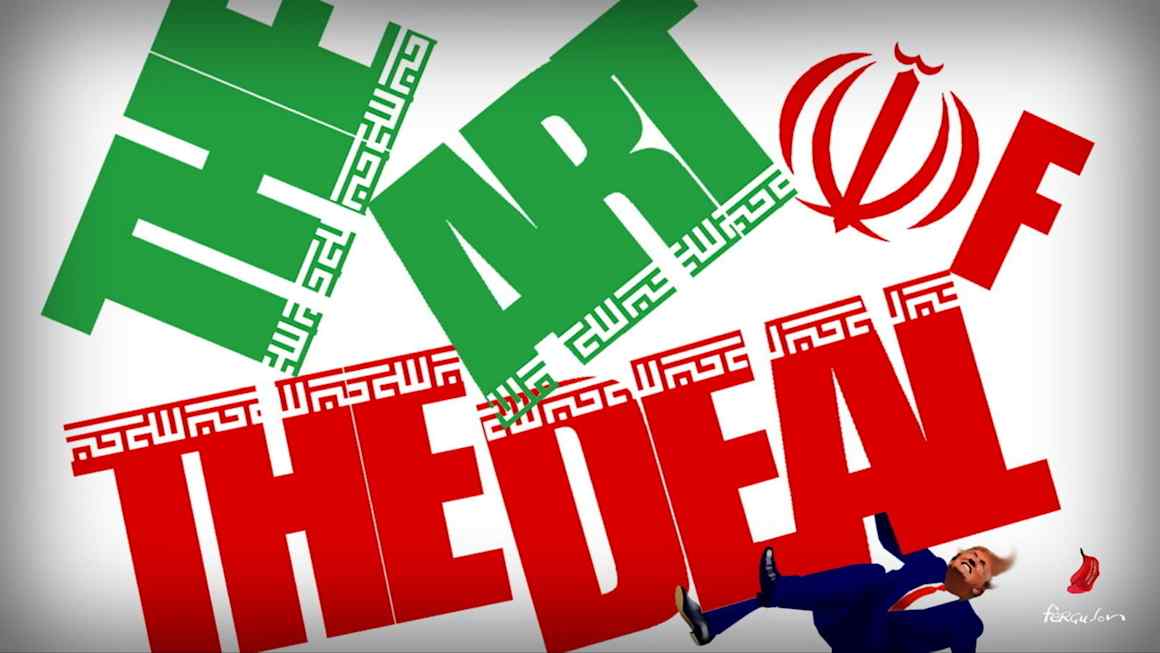
Analysis suggests that the ongoing conflict between Iran and the United States may conclude with Tehran emerging more confident and hardline, potentially gaining new resources to rebuild its nuclear programme. According to reporting by the Financial Times, the potential outcome of the war could strengthen Iran’s position, specifically regarding its nuclear capabilities, despite the intensity of the current hostilities.
The complexity of the negotiations is further compounded by internal political dynamics within the United States. Hardline Republican factions continue to demand total surrender from Iran, creating significant pressure on the White House’s strategy. This internal division adds a layer of difficulty to diplomatic efforts, as the administration navigates between domestic political demands and the realities of the conflict.
US Secretary of State Marco Rubio has affirmed that President Donald Trump will not agree to a "bad deal," a clarification intended to define the administration’s red lines as talks intensify. This stance aims to set clear boundaries for any potential agreement, reflecting the administration's determination to avoid outcomes it deems unfavorable, even as the geopolitical landscape shifts.
This diplomatic tension occurs against a broader geopolitical backdrop, including recent summits between President Trump and Chinese President Xi Jinping in Beijing. The discussions covered trade, artificial intelligence, and Iran tensions, highlighting the interconnected nature of global power dynamics and how regional conflicts are influenced by major economic and technological negotiations between Washington and Beijing.
While the specific status, scale, or current phase of the conflict is not detailed in available reports, the analysis indicates a high degree of certainty regarding the potential strategic gains for Iran. The Financial Times’ assessment points to a scenario where Tehran leverages the conflict to enhance its strategic position, challenging the traditional expectations of US diplomatic outcomes in the region.