Analysis identifies 14 NFL veterans at risk of reduced playing time following 2026 draft
A review of the 2026 NFL offseason highlights significant job insecurity for 14 veterans who logged at least 400 snaps last season, facing immediate competition from high-ceiling rookies.
An assessment of the 2026 NFL offseason indicates that 14 veteran players face potential reductions in playing time or starting roles due to direct competition from the new rookie class. This analysis focuses specifically on incumbents who recorded a minimum of 400 snaps in the previous season, marking them as vulnerable to the league's unforgiving nature. The core narrative emerging from the draft results suggests that established positions are frequently lost during training camp as new draftees with high ceilings enter the fray.
The Pittsburgh Steelers present one of the most visible examples of this dynamic, where Max Iheanachor is set to challenge Brian Jones for the starting tackle position. Jones, who suffered a setback while recovering from a neck injury, saw his fifth-year option declined by the club shortly after the Steelers selected Iheanachor in the first round. With the veteran's long-term health now in question, the team appears to have prioritised a succession plan, suggesting Iheanachor will likely secure first-team reps and an inside track to start in Week 1.
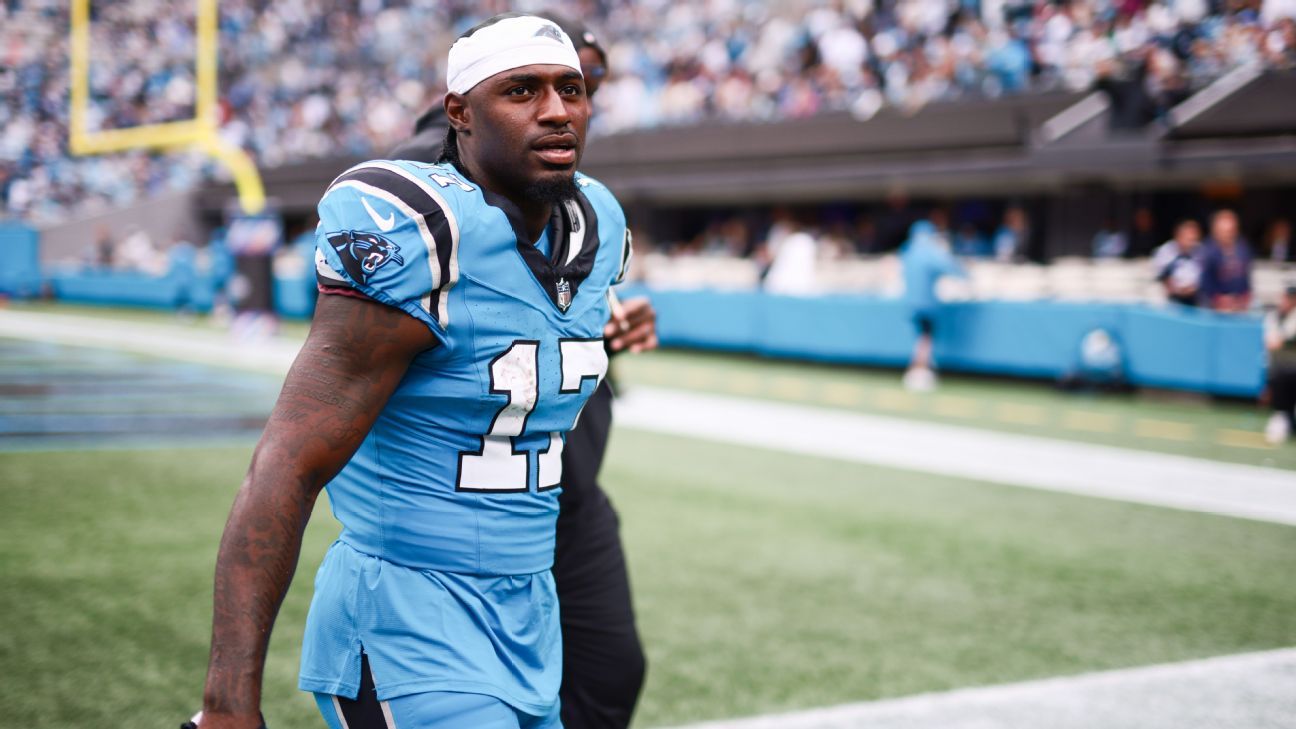
In Carolina, the competition for receiving targets has intensified with the emergence of Chris Brazzell II. While Xavier Legette has enjoyed some cover from Buffalo's Keon Coleman, his inability to consistently catch the ball up against the sideline has frustrated fans. The Panthers drafted Brazzell in the eighth round based on his size and speed, creating a scenario where Legette must entrench himself as a reliable option before the rookie can be promoted to the field-stretching role.
Defensive stability also faces scrutiny in Las Vegas, where Treydan Stukes potentially displaces Isaiah Pola-Mao. Pola-Mao, who played over 1,000 snaps last season, faces a crowded safety room as the Raiders integrate Stukes, who was drafted specifically for the safety alignment. Although a complete benching of Pola-Mao is considered unlikely, the introduction of Stukes, alongside existing players like Taron Johnson and Jeremy Chinn, creates a rotation where snaps are up for grabs.
Chicago's cornerback situation adds another layer of uncertainty for Taron Stevenson. The Bears drafted Malik Muhammad in the fourth round to replace Nahshon Wright, a move that could see Stevenson's volatile play lead to him walking in free agency. Stevenson's 9.8 yards per target allowed ranked among the worst in the league last season, and if Muhammad shines in camp, the Bears may struggle to keep him off the field while the rookie targets his opposite.
Further down the list of concerns are Myles Hughes in Atlanta, Carrington Valentine in Green Bay, and C.J. Barton in Tennessee. Hughes faces competition from Avieon Terrell, a top-50 pick whose family name carries significant internal buy-in. Meanwhile, Valentine's starting job is under threat from Brandon Cisse, who the Packers ranked as a critical need despite being a prospect who did not play full games in college. Barton, who played every possible snap last season, faces a potential displacement by Anthony Hill Jr. in Tennessee, where new coach Robert Saleh requires linebackers with superior speed.
The list extends to include C.J. Conner, Aidan Bradford, Brandon Brown, T.J. Jefferson, T.J. Togiai, C.J. Ruiz, and Marcus Humphrey, all of whom face varying degrees of challenge from the 2026 draft class. Conner's slot role is threatened by Jadon Canady, while Bradford's volatility on the offensive line could see him displaced by Iowa guard Beau Stephens. Brown's role as a defensive tackle is diminished by the arrival of Lee Hunter, and Jefferson's age makes him susceptible to the superior range of Genesis Smith in San Diego.
Ultimately, the 2026 NFL draft has initiated a period of adjustment where veterans who were at the peak of their games just years ago must now compete against players just coming into the league. The analysis underscores that the NFL remains a machine that churns talent relentlessly, with the training camp period serving as the crucible where these new battles for roster spots will be decided.