American Airlines to Upgrade Fleet with SpaceX Starlink Wi-Fi from 2027
The airline will install SpaceX’s Starlink system on more than 500 aircraft, including new Airbus models, as it seeks to outpace traditional satellite providers in speed and latency.
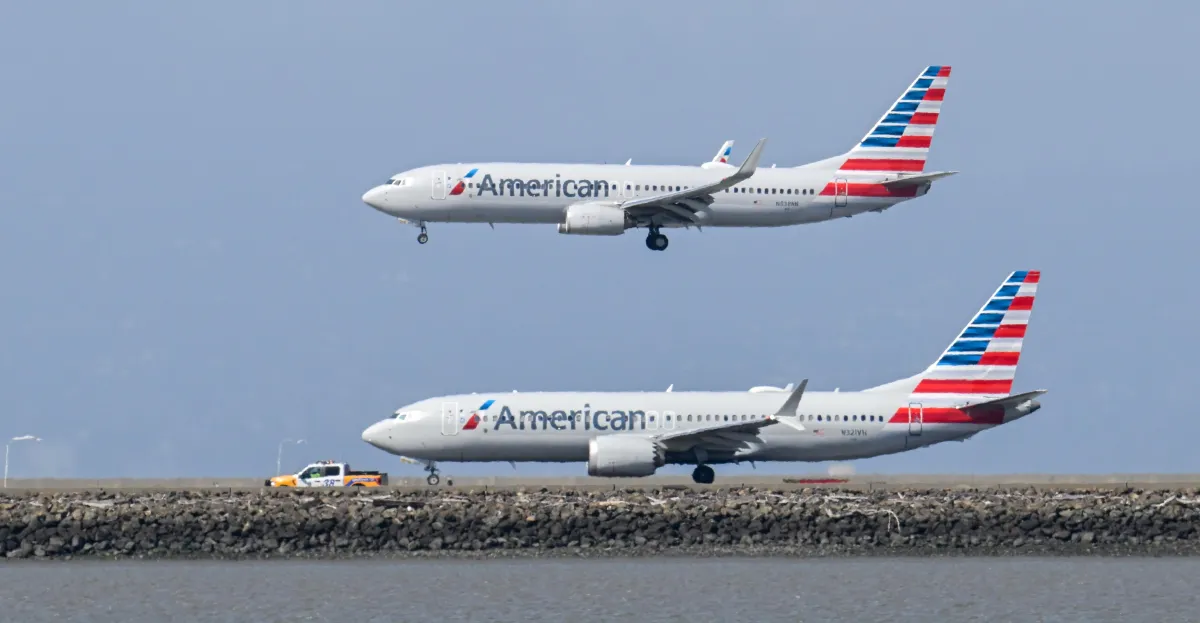
American Airlines has announced a significant overhaul of its in-flight connectivity infrastructure, confirming it will install SpaceX’s Starlink Wi-Fi on more than 500 of its aircraft. The deployment is scheduled to commence in the first quarter of 2027, with the initial installations covering the airline’s Airbus fleet, specifically including the new A321XLR and A321neo planes.
This move positions American Airlines among a growing cohort of major global carriers adopting low-earth orbit technology. The airline joins United Airlines, Southwest Airlines, Lufthansa Group, British Airways, Qatar Airways, Alaska Airlines, and Hawaiian Airlines in securing deals with SpaceX. Meanwhile, rival Delta Air Lines recently struck a separate agreement with Amazon Leo for its connectivity needs.
The shift away from traditional providers marks a strategic pivot in the aviation industry, where carriers are competing to resolve historically poor in-flight internet performance. American Airlines currently utilises Viasat and SES (formerly Intelstat) as its Wi-Fi providers. Viasat relies on geostationary satellites, while SES employs a multi-orbit approach. Starlink’s low-earth orbit satellites generally offer lower latency due to the shorter distance signals must travel compared to geostationary alternatives.
Performance metrics underscore the potential impact of this transition. A recent report from Ookla indicated that SES-powered flights recorded median download speeds of 61.61 Mbps, whereas Starlink-powered flights averaged 152.37 Mbps. During independent testing on a United Airlines flight, download speeds reached approximately 128 Mbps, with upload speeds averaging 23.9 Mbps.
The financial scale of Starlink’s aviation operations is substantial. A recent IPO filing for SpaceX revealed that Starlink generates roughly $11 billion in annual revenue, serving as the company’s only consistently profitable division. The filing noted that the global network is designed to eliminate dead zones and support performance on high-latitude routes that are often challenging for traditional providers.
American Airlines Chief Customer Officer Heather Garboden stated that the addition of Starlink solidifies the airline’s position as a leader in keeping passengers connected. She described the partnership as a move to deliver world-class service to customers who increasingly demand reliable internet access on their own devices.
While airlines have previously integrated features such as free Wi-Fi, Bluetooth headphone support, and streaming content to attract passengers, reliable personal internet access remains a critical differentiator. The industry-wide scramble to secure satellite deals reflects a broader trend of leveraging technology to enhance the passenger experience and maintain competitive advantage in capital markets.
