AMD’s Radeon RX 9070 GRE launch draws ‘shrinkflation’ criticism as specs fall short of price
Ars Technica review finds the GRE variant delivers 85 per cent of the cores and 75 per cent of the memory of the standard RX 9070, struggling against Nvidia’s RTX 5070 in ray-traced titles.
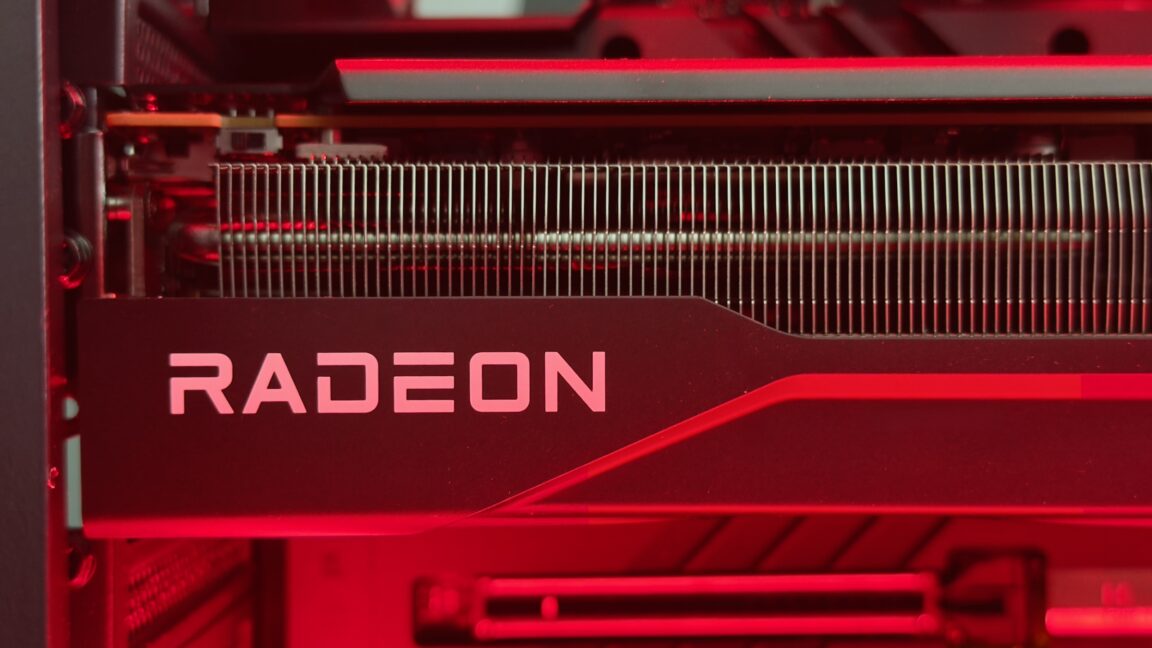
AMD has officially launched the Radeon RX 9070 GRE graphics card in the US market with a suggested retail price of $549, a move that has prompted immediate scrutiny from industry reviewers. The release marks the American debut of a GPU that has been available in China for approximately a year, yet it enters a market where the standard RX 9070 launched at the identical price point just over twelve months ago. Critics have characterised the new offering as a clear example of product shrinkflation, noting that the GRE model delivers significantly reduced specifications for the same cost.
The technical specifications of the RX 9070 GRE represent a notable reduction in silicon and memory capacity compared to its standard counterpart. The card utilises the Navi 48 GPU silicon but features only 3,072 shader cores, a 12GB memory allocation, and a 192-bit memory interface. This configuration amounts to approximately 85 per cent of the GPU cores, 75 per cent of the memory, and 66 per cent of the memory bandwidth found in the standard RX 9070. To compensate for the reduced core count, AMD has increased the boost clock speeds, a strategy that Ars Technica notes results in power consumption levels similar to the higher-spec standard model.
Performance benchmarks indicate that the RX 9070 GRE is generally 10 to 20 per cent slower than the standard RX 9070 at 1440p resolution. The performance gap widens significantly at 4K, particularly when ray-tracing is enabled. In demanding titles such as Cyberpunk 2077 and Black Myth: Wukong, the card struggled to maintain playable frame rates at high settings, with some ray-traced presets failing to run entirely at 4K. The review highlighted that the 12GB memory buffer often becomes a bottleneck in these scenarios, forcing users to rely on upscaling technologies like FSR to maintain performance.
In the current competitive landscape, the GRE variant faces stiff opposition from Nvidia’s GeForce RTX 5070. While the standard RX 9070 often matches or beats the RTX 5070, the GRE model falls short, performing roughly 10 per cent slower in non-ray-traced games and up to 20 per cent slower with ray-tracing enabled. Current street prices for the standard RX 9070 range from $600 to $640, while the RTX 5070 retails between $630 and $650. The review concluded that for an additional $50 to $100, consumers can secure the standard RX 9070, which offers superior memory bandwidth, a larger 16GB framebuffer, and better 4K capabilities for a similar power draw.
The launch occurs during a period of limited new GPU releases, with prices across the sector edging upward due to AI-driven memory shortages. Ars Technica described the RX 9070 GRE as a poor consolation prize in this new-product drought. While the card offers decent performance for its $549 price tag relative to the inflated cost of the RTX 5070, the publication advised that it fails to fill a necessary market gap. The consensus suggests that the reduced specifications and lack of ecosystem benefits make the standard RX 9070 a more compelling investment for buyers willing to stretch their budget slightly.
