AMD integrates HDMI 2.1 Fixed Rate Link support into Linux amdgpu driver
AMD engineer Harry Wentland confirms the patch series resolves previous licensing and driver limitations affecting the Steam Machine and other Linux devices.
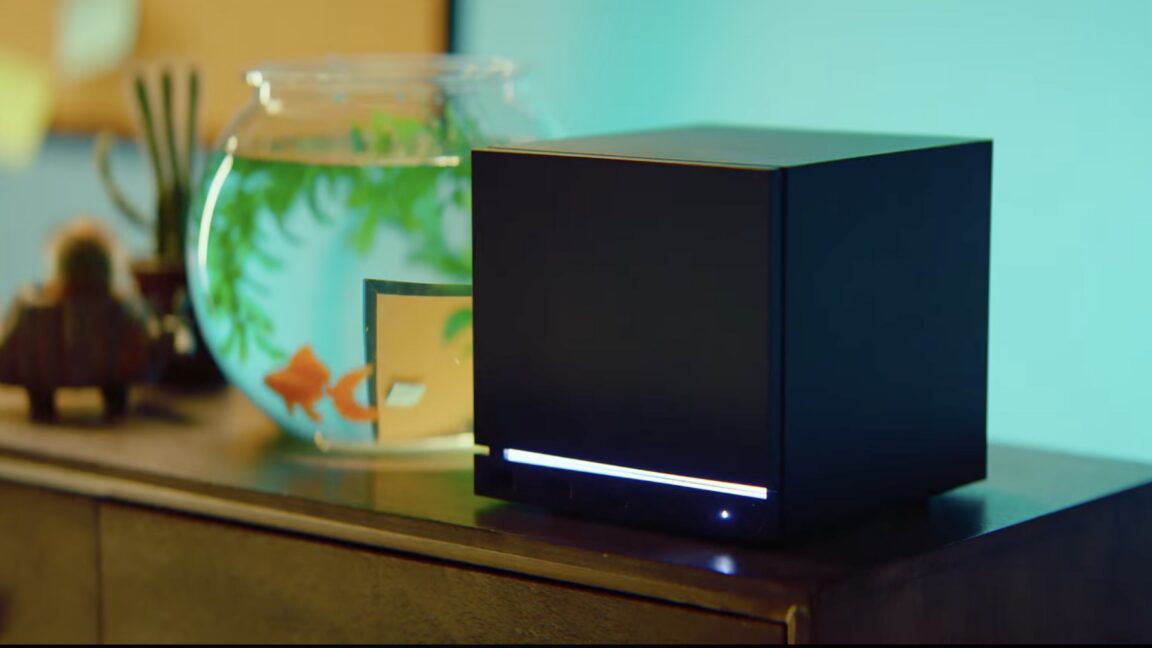
AMD has announced the integration of HDMI 2.1 Fixed Rate Link support into its Linux amdgpu driver, a move designed to unlock higher bandwidth capabilities for compatible hardware. This development marks significant progress for Linux gaming ecosystems, specifically targeting devices such as the Steam Machine that have previously struggled to utilise the full potential of modern display standards.
The update replaces the older TMDS standard with Fixed Rate Link technology, directly enabling support for higher resolutions, dynamic HDR, and Variable Refresh Rate. These features were first standardised in 2017 but have long been inaccessible to Linux devices due to a combination of legal complexities surrounding HDMI licensing and constraints within open-source driver development.
AMD engineer Harry Wentland confirmed the addition via a patch series posted on Friday, noting that this update represents a representative subset of full HDMI compliance. While the current release addresses the core bandwidth limitations, it does not yet include code for Display Stream Compression, which is essential for achieving resolutions up to 10K at 100 Hz. Wentland indicated that DSC support is currently undergoing testing and will be released in a future update once compliance checks are complete.
The practical impact of this driver update is the removal of the need for software workarounds previously employed by users and developers. Valve, for instance, had been relying on techniques such as chroma subsampling and AMD Freesync to mitigate the bandwidth restrictions inherent in HDMI 2.0 support on Linux. With the new FRL support in place, these compensatory measures should become unnecessary, allowing for more efficient use of display hardware.
Despite the technical advancements in the driver itself, uncertainty remains regarding official certification. It is unclear whether the HDMI Forum has fully resolved its original legal objections to open-source implementations of the standard. Consequently, there is no guarantee that Linux devices will be permitted to officially advertise themselves as HDMI 2.1-compliant, even as the underlying driver capabilities improve.
This development follows statements from Valve in December regarding their efforts to unblock technical issues with AMD drivers. The successful addition of FRL support by AMD suggests that these collaborative efforts are finally bearing fruit, offering a clearer path forward for Linux gaming hardware to access high-end display features without relying on legacy workarounds.