AMD expands Radeon RX 9070 GRE global availability amid hardware inflation
Priced at $549, the new variant trades compute units for higher clock speeds, targeting gamers in a market strained by AI-driven demand.
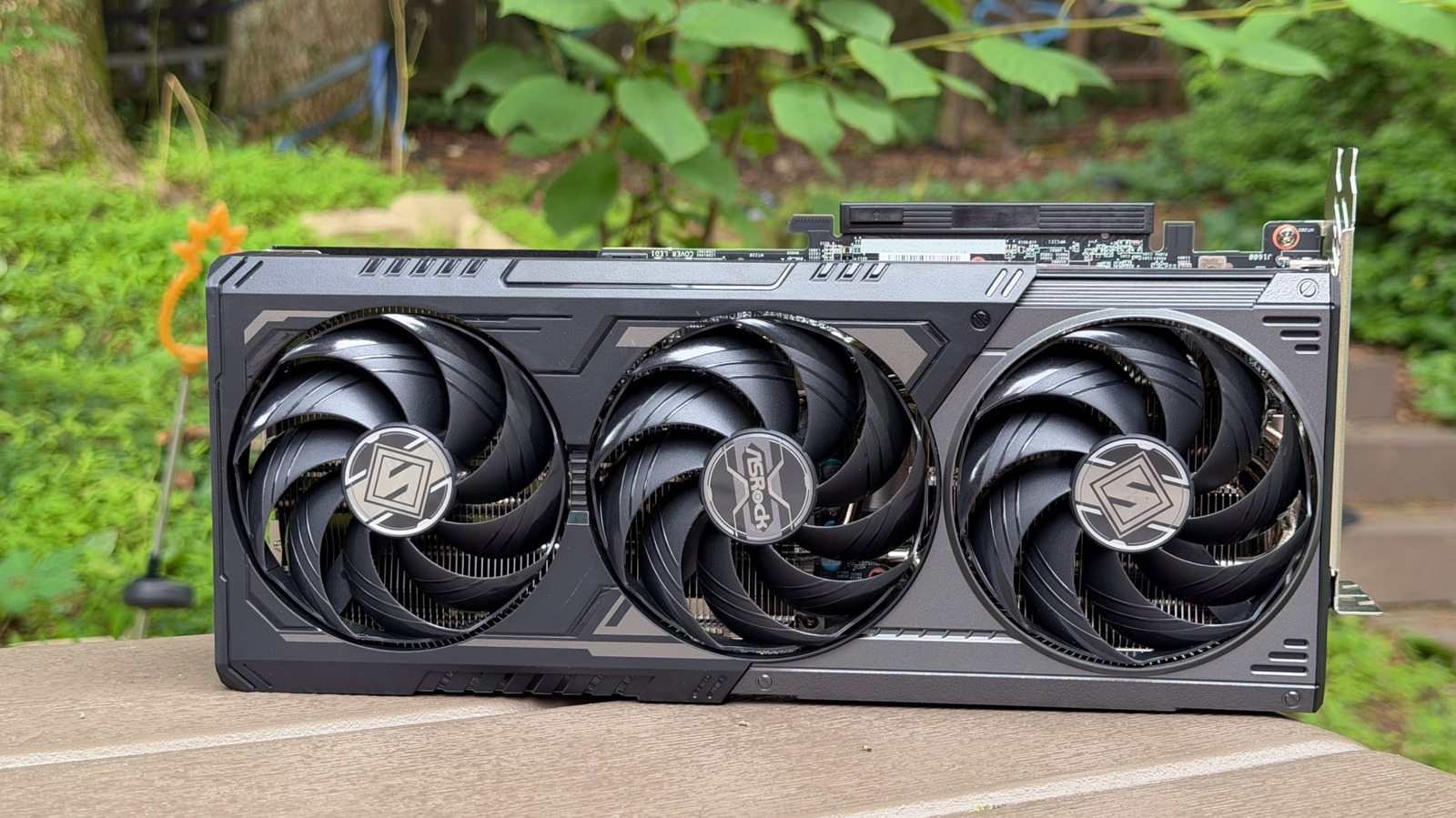
AMD has officially extended the global availability of its Radeon RX 9070 GRE graphics card, following an initial release in China last year. The move introduces the 'Golden Rabbit Edition' to international markets at a suggested retail price of $549, positioning it as a more accessible alternative to the standard RX 9070, which has seen price increases to upwards of $600 since its launch.
The GRE variant is engineered with specific hardware trade-offs to maintain this lower price point. It features 12GB of VRAM and eight fewer compute units than the standard model, but compensates with a higher boost clock speed of up to 2.79GHz, compared to 2.52GHz on the standard card. This configuration targets the midrange segment, aiming to deliver solid 1440p performance with ray tracing capabilities.
Benchmark data indicates that the GRE performs closely to the standard RX 9070 in older titles but lags in more demanding synthetic tests. In 3DMark’s Speedway benchmark, the GRE scored 4,334, significantly below the standard model’s 5,799. However, in older tests such as Steel Nomad and Timespy Extreme, the GRE scored only 700 and 200 points lower, respectively, suggesting strong compatibility with legacy games.
Real-world gaming performance showed the card averaging 180 frames per second at 1440p in Forza Horizon 6 with ray tracing high and FSR4 frame generation enabled. Without frame generation, it averaged 90 fps. The card also demonstrated capable 4K performance, averaging 80 fps in the same title, with thermal performance remaining efficient at 58C under load.
The release comes against a backdrop of elevated hardware costs, with high prices for PCs and RAM partly attributed to demand from artificial intelligence companies. While AMD’s strategy of offering slightly lower-specced hardware provides a semi-affordable option for gamers, the current market conditions suggest that waiting for next year’s hardware cycle may still be prudent for some consumers.
