Amazon’s Texas Data Centre Permit Sparks Climate Concerns Amid Emissions Surge
The tech giant’s investment in an on-site natural gas plant coincides with a 16% rise in corporate carbon output, challenging its 2040 net-zero ambitions.
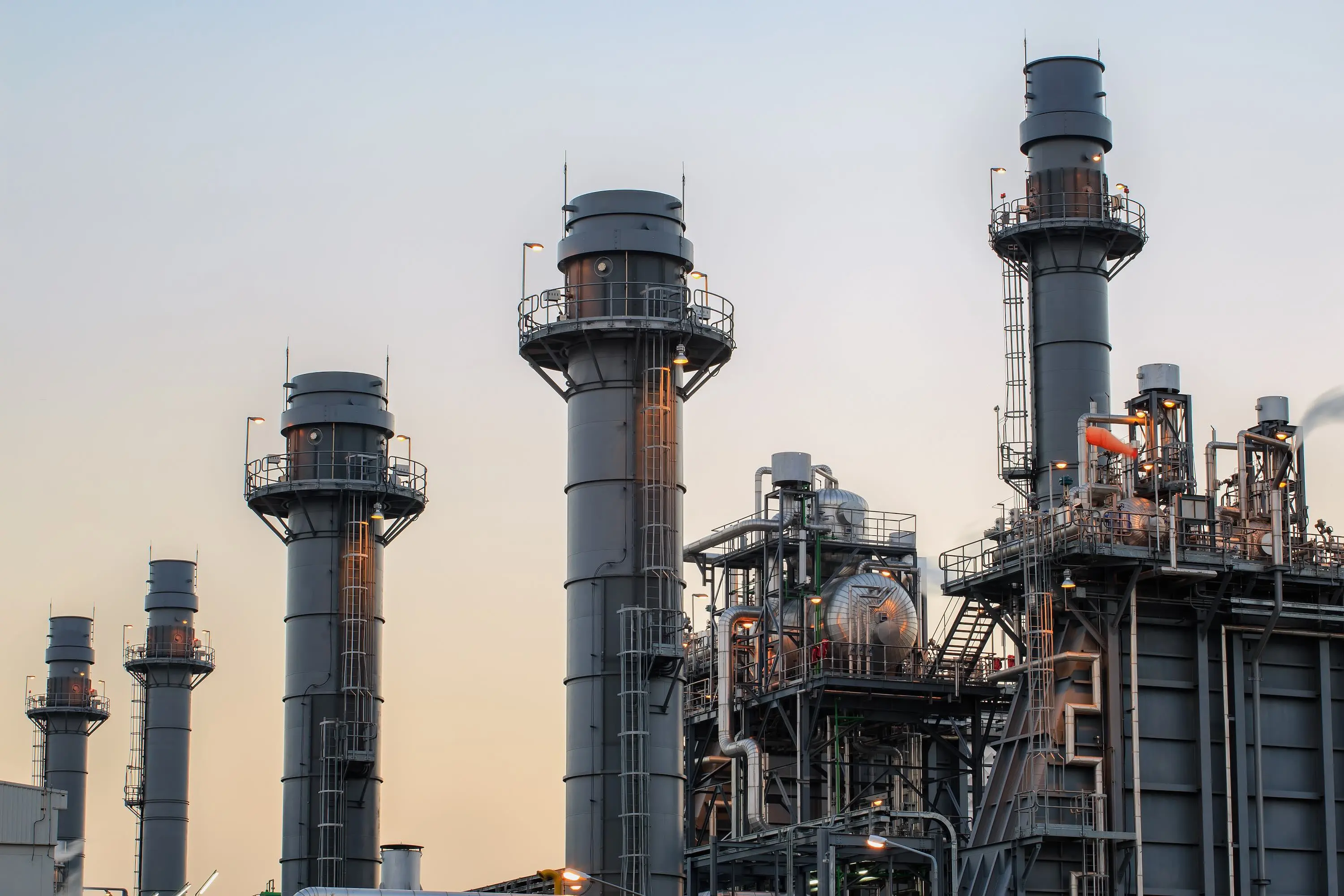
Amazon is advancing a major infrastructure project in Pecos County, Texas, that has drawn scrutiny over its potential environmental impact. According to reporting by The New York Times, the company is investing in an on-site natural gas power plant to support a planned data centre, a facility permitted to release 33 million tonnes of carbon dioxide annually. This allowance potentially designates the site as the largest source of climate pollution from a single power plant in the United States.
The proposed generation asset, identified as the GW Ranch natural gas plant, comprises 35 turbines with a total capacity of 7.65 gigawatts. Cleanview, an organisation that monitors data centre power projects, has tracked the scale of this development, noting that the permitted emissions exceed those of any other power plant currently operating in the country. While industrial plants rarely operate at their maximum permitted emission levels, the cap itself sets a significant benchmark for potential output.
This development occurs against a backdrop of rising greenhouse gas emissions for the technology sector. Amazon reported a 16% increase in its carbon emissions last year, a trend driven largely by the expansion of its cloud and artificial intelligence computing services. This trajectory presents a direct challenge to the Climate Pledge, a commitment co-founded by Amazon to achieve carbon neutrality by 2040.
In response to concerns regarding energy costs and environmental impact, an Amazon spokesperson confirmed that the data centre will be powered by new on-site generation. The company asserted that this arrangement would not raise electricity costs for Texas families. Data centres have faced growing political opposition in recent years, often due to their substantial demands on local power grids and their influence on consumer electricity prices.
The regulatory environment permitting such high-emission allowances has shifted in recent years. The Trump administration has actively sought to lift restrictions on polluting power plants, contributing to the current landscape that allows for these significant emission caps. Despite the regulatory changes and rising emissions, an Amazon spokesperson stated that while the world has changed since the climate pledge was established, the company’s long-term commitment to its goals remains unchanged.
