Amazon's Cloud Revenue Soars on AI Demand as Capital Spending Drags Down Cash Flow
Linxi News reports on the e-commerce giant's earnings call where CEO Andy Jassy highlights the trade-off between aggressive infrastructure build-out and short-term liquidity.
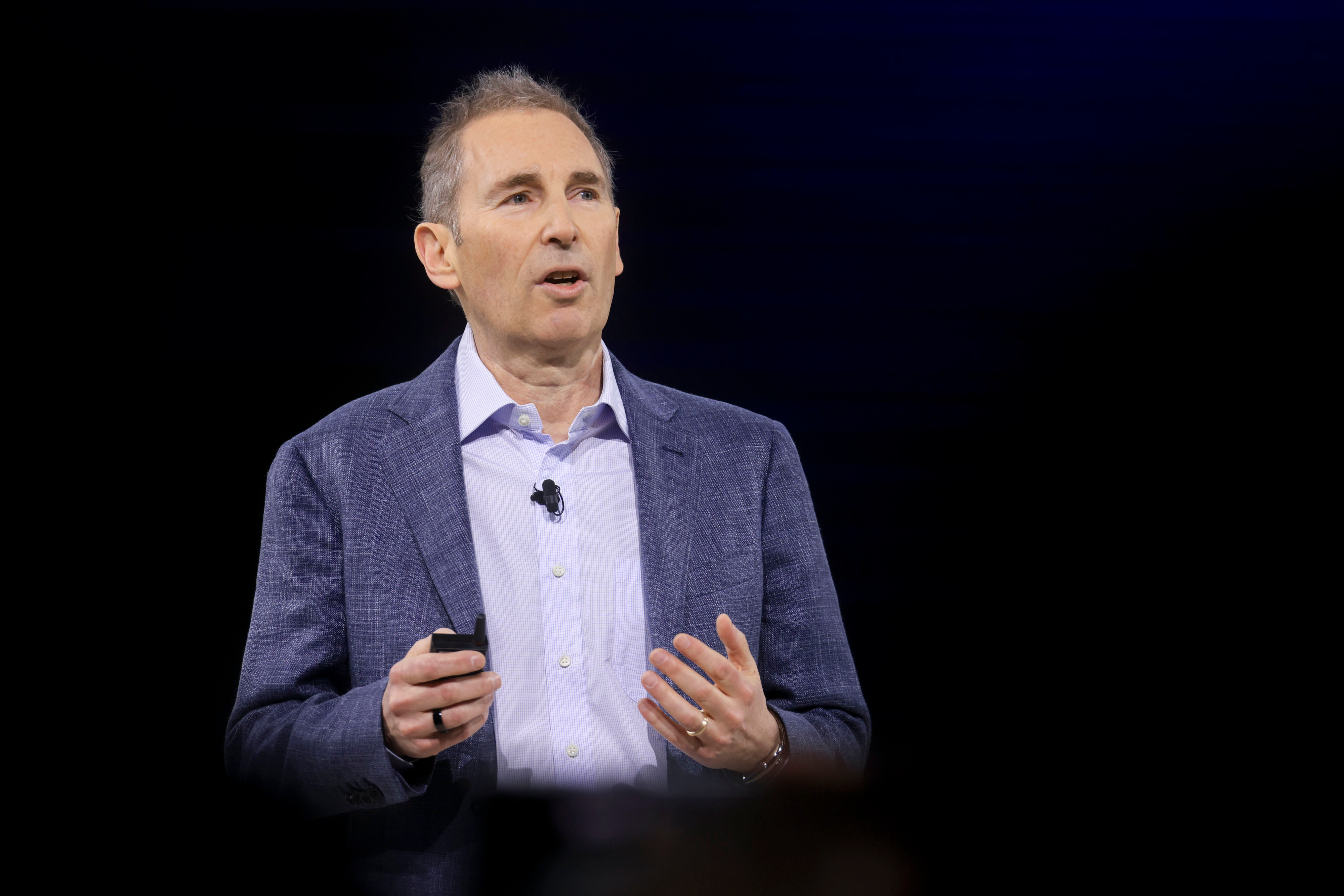
Amazon Web Services has reported a significant acceleration in growth, with net sales rising 28 per cent year-on-year to reach $37.6 billion. This figure represents the fastest growth rate for the division in 15 quarters, a performance Amazon president and CEO Andy Jassy attributes directly to the artificial intelligence boom. During the earnings call, Jassy noted that the business is seeing unprecedented demand for compute power, comparing the current trajectory to the rapid expansion seen three years after AWS originally launched.
The surge in revenue is largely driven by the artificial intelligence sector, with AWS AI revenue alone now running at over $15 billion. This stands in stark contrast to just three years ago, when the AI run rate was merely $58 million. Jassy highlighted that nearly 260 times growth in this specific area underscores the scale of the current technological wave, with companies continuing to choose AWS as a primary provider for their AI workloads.
To support this rapid expansion, Amazon is committing to increased capital expenditure in the near term. Jassy explained that the company must lay out cash in advance for land, power, buildings, chips, servers, and networking gear before these assets can be monetised. These investments are essential to build the infrastructure required to fuel the AI industry, with data centres expected to have a useful life of more than 30 years and networking equipment lasting five to six years.
This aggressive spending strategy has had an immediate impact on the company's liquidity position. Free cash flow for the trailing twelve months has decreased to $1.2 billion, a sharp decline from $25.9 billion recorded in the first quarter of 2025. The drop was primarily driven by a year-on-year increase of $59.3 billion in purchases of property and equipment, much of which is related to AI infrastructure.
Jassy acknowledged that in periods of very high growth where capital expenditure outpaces revenue, free cash flow is naturally challenged in the early years. However, he positioned these short-term cash outflows as an investment for significant downstream revenue and cash flow in the long term. He expressed confidence that the company will view this next wave of investment similarly to previous growth cycles, expecting substantial returns once the infrastructure is fully operational.
Beyond the cloud division, Amazon's overall financial performance remained robust. Total sales rose 17 per cent to $181.5 billion on a year-on-year basis. Growth was recorded across all major regions, with sales increasing by 12 per cent in North America and 19 per cent internationally, reinforcing the company's broader market strength despite the heavy investment in its cloud infrastructure.
