Amazon signs deal with Transaera to deploy Nobel Prize-winning dehumidification technology in commercial buildings
The new dedicated outdoor air systems utilise a desiccant wheel based on materials recognised by the 2025 Nobel Prize to reduce energy consumption without requiring major infrastructure overhauls.
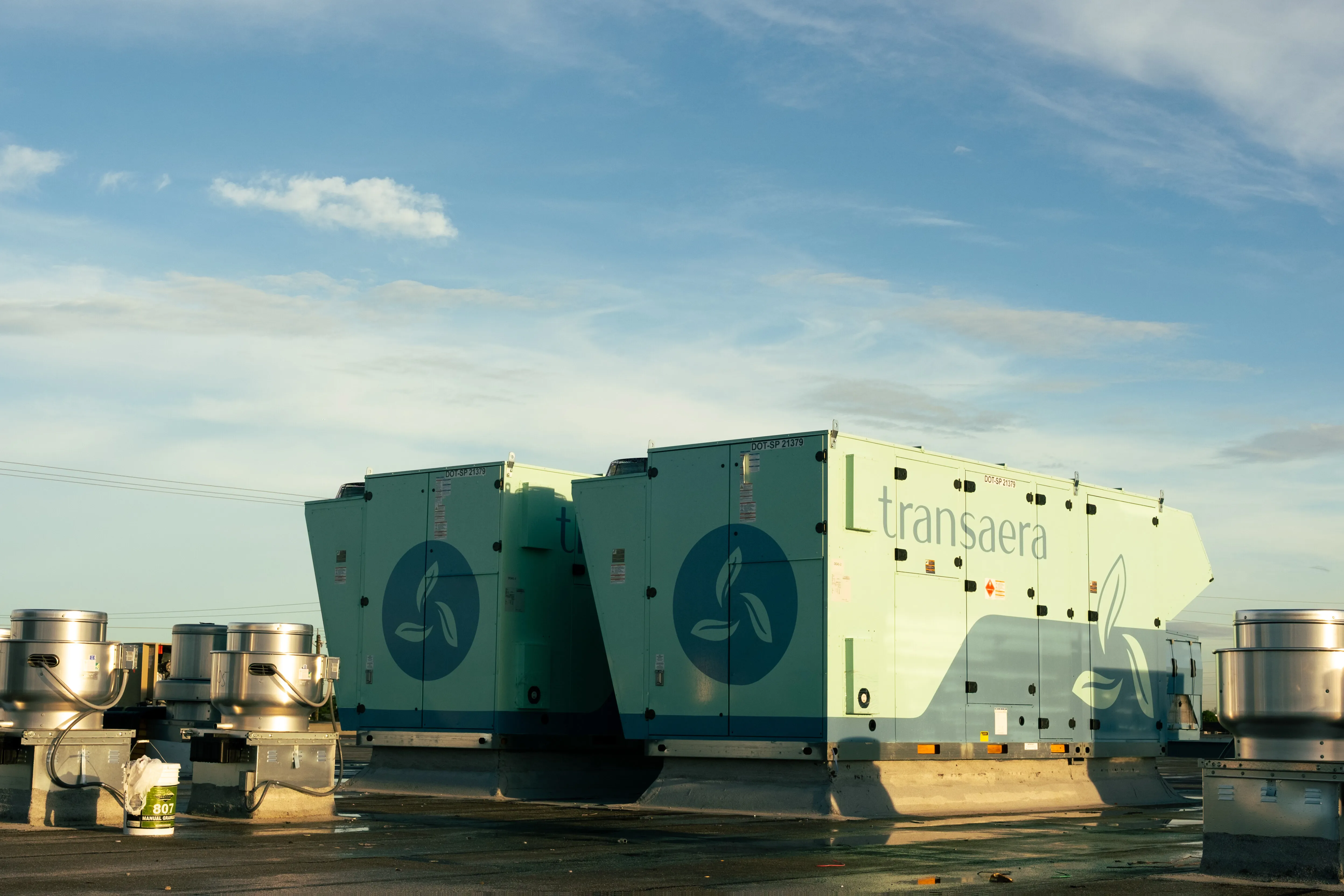
Amazon has signed a multi-year agreement with Transaera to purchase new dedicated outdoor air systems for its commercial buildings. The deal, which reserves capacity for the technology over the next three years, marks a significant step in the retailer's strategy to lower energy consumption across its property portfolio. Following several months of testing in Houston, the company has decided to integrate this solution into its design standards to support its target of achieving net-zero carbon emissions by 2040.
The new units address a common inefficiency in air conditioning, particularly in hot, humid climates such as the US South. Traditional systems often over-cool air to remove moisture, which then requires reheating, wasting energy. By handling dehumidification separately from cooling, the Transaera systems reduce the load on conventional air conditioning units. This approach allows the technology to remove approximately 100 pounds of water from the air every hour, significantly lightening the burden on the building's main cooling infrastructure.
At the heart of the technology is a desiccant wheel coated in a proprietary material described by Transaera CEO Sorin Grama as "silica gel on steroids". This material belongs to a class of compounds that won a Nobel Prize in 2025 for their ability to remove moisture more efficiently than traditional methods. As air passes through the spinning six-foot wheel, the desiccant draws moisture out, which is then released outside via a heat exchanger, while stale air and heat are exhausted from the building.
Transaera states that its units are designed as a like-for-like replacement for legacy HVAC systems, meaning the installation requires no major infrastructure overhaul. This ease of adoption is a key driver for the technology's growing appeal. Grama estimates that the company now has nine figures worth of purchasing targets from various customers, indicating broader industry interest beyond Amazon's initial deployment.
While the specific desiccant material remains undisclosed, the technology is being manufactured in partnership with existing US-based commercial HVAC manufacturers. The systems slot into industry-standard units, allowing for a straightforward upgrade process that does not disrupt existing building operations. Amazon views the purchase as a design solution that will be replicated across its building stock once the efficacy of the units is fully established.
Although Amazon has not specified the exact scale of the initial deployment in terms of the number of buildings or units, the commitment to integrate the technology into its design standards suggests a long-term strategy. The move underscores the retailer's focus on operational efficiency and sustainability, leveraging cutting-edge science to reduce energy use and carbon emissions in its commercial real estate.
