Amazon launches global logistics network for external enterprises
Amazon Supply Chain Services targets healthcare, automotive, manufacturing, and retail sectors with capabilities previously reserved for third-party marketplace sellers.
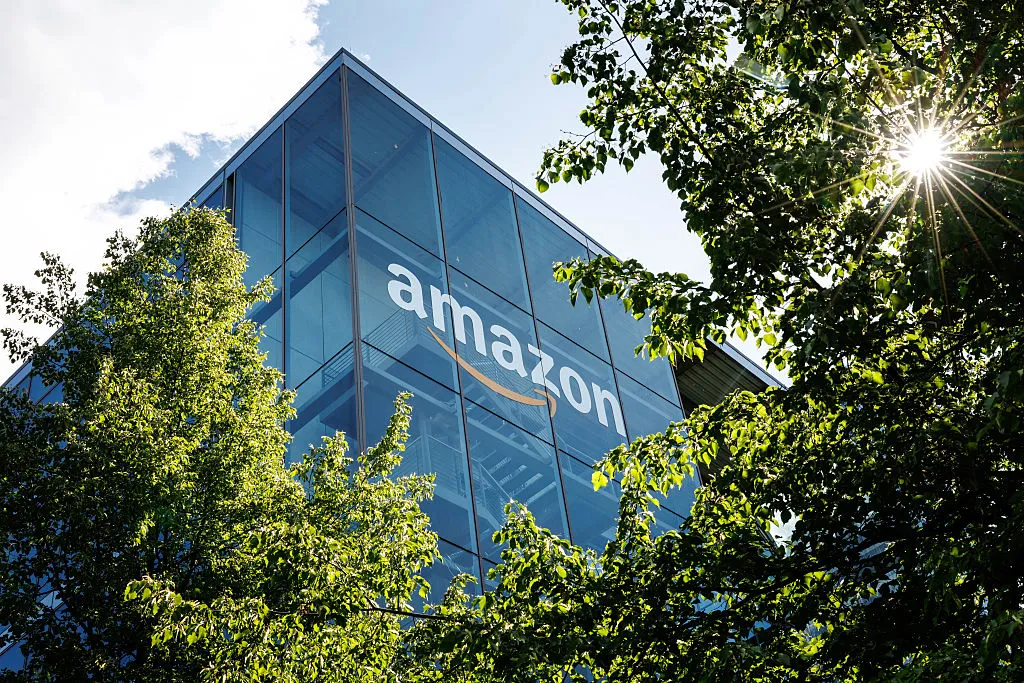
Amazon has officially launched Amazon Supply Chain Services, a new initiative that opens its global logistics network to businesses of all types and sizes. The announcement marks a strategic pivot for the e-commerce giant, transforming infrastructure historically used exclusively by thousands of independent third-party sellers into a broader commercial offering for external enterprise clients. By providing freight, distribution, fulfillment, and parcel shipping capabilities, the service positions Amazon as a direct competitor to established logistics leaders UPS and FedEx.
The new service specifically targets industries including healthcare, automotive, manufacturing, and retail, aiming to monetise the existing logistics network for external clients. Peter Larsen, vice president of Amazon Supply Chain Services, described the rollout in a blog post, comparing the initiative's potential to the success of Amazon Web Services in cloud computing. He cited decades of proven infrastructure, intelligence, and scale as the foundation for the service, asserting that Amazon is bringing these capabilities to businesses everywhere.
Early adopters have already confirmed their participation in the new programme. Proctor & Gamble, 3M, Lands' End, and American Eagle Outfitters are among the first businesses to sign up for the supply chain service. These partnerships signal immediate interest from major corporations seeking to leverage Amazon's extensive network for their own operational needs.
While the launch represents a significant expansion of Amazon's e-commerce division, specific details regarding pricing models, service level agreements, and technical integration requirements remain undisclosed in current reporting. The transformation of a marketplace utility into a standalone enterprise product suggests a major shift in how the company utilises its physical assets, yet the long-term market impact on traditional carriers remains unquantified at this stage.
This move underscores the evolving landscape of global logistics, where technology giants are increasingly competing directly with dedicated freight and delivery firms. As Amazon leverages its massive scale to offer comprehensive supply chain solutions, the competitive dynamic between e-commerce platforms and traditional logistics providers is set to intensify across multiple sectors.
