Amazon discloses first annual water usage data, claims efficiency lead over Big Tech rivals
Amazon’s inaugural global water usage report for data centres reveals a two per cent drop in consumption despite expansion, though the company’s efficiency claims exclude indirect power generation and construction impacts.
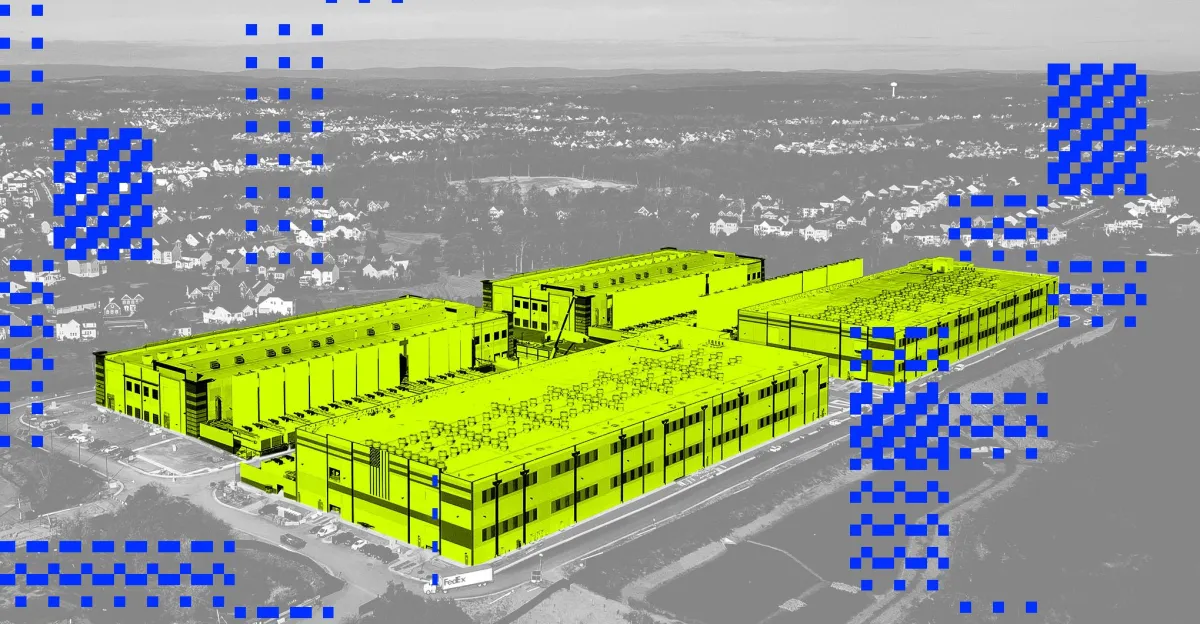
Amazon has released its first annual water usage data for its global data centre operations in 2025, reporting a total consumption of 2.5 billion gallons. The figure represents a two per cent decrease from 2024 totals, a reduction achieved despite ongoing operational expansion. The disclosure comes shortly after Seattle enacted a one-year moratorium on new data centres, a policy move supported by some of the company’s own employees amid growing scrutiny over resource consumption in the tech sector.
In its report, Amazon stated that its operations consumed water at a rate of 0.12 litres per kilowatt-hour of electricity. The company claims this metric positions it as more water-efficient than key competitors Microsoft, Google, and Meta, citing internal graphics that show these rivals using more water per kilowatt-hour over recent years. Amazon further asserts that its data centres are seven times more water-efficient than the industry average, a claim based on an adjusted figure derived from a peer-reviewed research paper released last year.
The company outlined its cooling strategies, noting that approximately 90 per cent of its data centre cooling relies on air. Evaporative cooling is reserved for the hottest hours of the hottest days, while Amazon has also increased the heat tolerances for its servers. These operational adjustments are part of a broader effort to manage water intensity as the industry faces increasing pressure regarding the environmental impact of new artificial intelligence infrastructure.
However, the scope of Amazon’s disclosure has notable limitations. The report excludes indirect water usage associated with the power generation required to run its facilities, as well as water consumption linked to the construction of new data centres. This exclusion means the reported figures reflect only direct operational use, potentially offering a narrower view of the company’s total water footprint compared to broader industry assessments.
Comparisons with rival efficiency metrics also warrant caution. While Amazon highlights its superior performance relative to Google, the data cited for Google appears to focus specifically on its Gemini AI data centres, whereas Amazon’s report encompasses all global operations. This difference in scope may influence the comparative analysis, as AI-specific workloads often carry different energy and water intensity profiles than general cloud computing operations.
