Amazon Confirms Prime Day 2026 Dates as Membership Value Comes Under Scrutiny
With the 2026 Prime Day window locked in for late June, analysis of the updated membership guide reveals a complex ecosystem of digital services, fuel discounts, and tiered pricing structures that extend well beyond standard logistics.
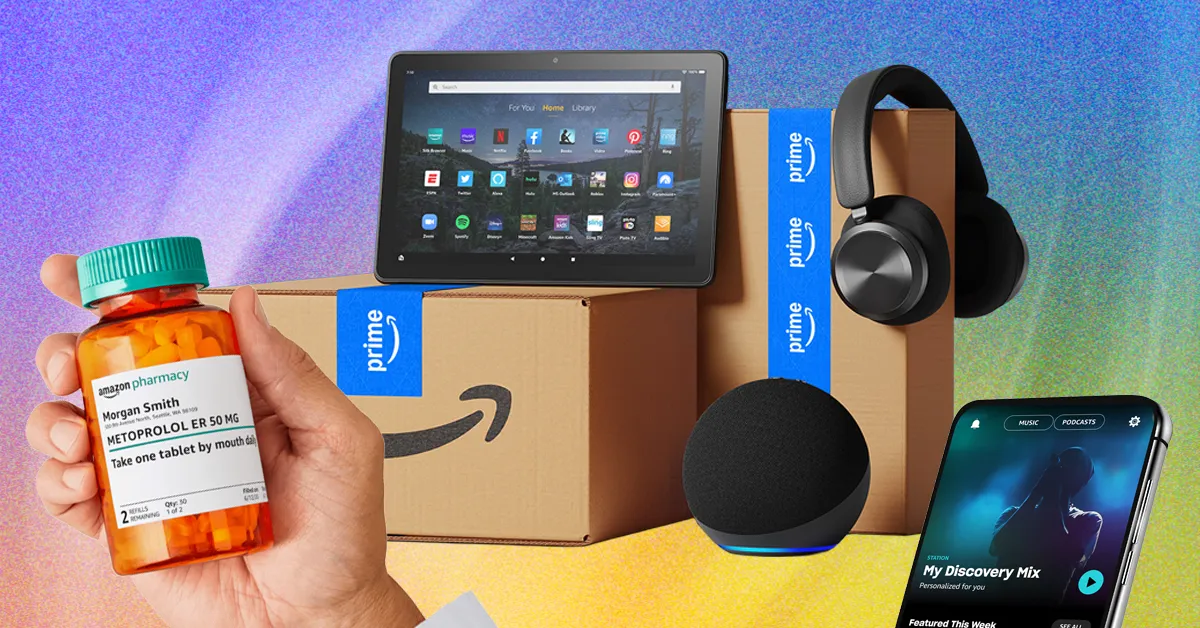
Amazon has officially confirmed that its semi-annual Prime Day event will run from June 23 to 26, 2026, with a secondary event anticipated in the autumn. The announcement coincides with a comprehensive update to the company’s membership guide, detailing 26 distinct perks that aim to justify the $139 annual cost or $15 monthly fee. As the retail giant prepares for what has historically outperformed both Black Friday and Cyber Monday in sales volume, the focus has shifted toward a diversified ecosystem of digital services and lifestyle benefits designed to increase subscriber retention.
The updated guide, reported by WIRED, highlights a significant expansion into generative AI and media services. Prime members now receive free access to Alexa+, Amazon’s generative AI voice assistant, which will cost $20 per month for non-members following its Early Access period. This is accompanied by continued access to Prime Video, including ad-free options for an additional $5, and Amazon Music Prime. The inclusion of these high-margin digital services suggests a strategic pivot to deepen engagement beyond transactional retail interactions, leveraging a subscriber base estimated at 201 million in the United States alone.
Logistics remain a core pillar of the value proposition, with free next-day and two-day shipping on millions of items. However, Amazon is also incentivising supply chain efficiency through features like Amazon Day delivery, which allows customers to consolidate shipments, and No-Rush Shipping, which offers digital credits or instant discounts for those willing to wait longer. The company has also expanded its physical retail footprint through Whole Foods, offering Prime members an additional 10 percent off storewide sales, and introduced fuel discounts of at least 10 cents per gallon at over 7,500 BP stations via the Earnify loyalty app.
Pricing structures have been refined to capture distinct demographic segments, moving beyond a one-size-fits-all model. The "Prime for Young Adults" tier remains available at $69 annually for those aged 18 to 24, while "Prime Access" offers a discounted $7 monthly rate for customers verifying SNAP or other government assistance, capped at a four-year usage limit. These tiered options reflect a broader industry trend of segmenting subscribers to maximise penetration across varying income levels, although the core annual membership remains a significant financial commitment for the average consumer.
Digital and gaming benefits further complicate the value calculation, with Prime Gaming now redirecting to Amazon Luna Standard, a cloud gaming service. Members also receive monthly rewards through Prime Gaming, including in-game loot and free Twitch subscriptions, alongside unlimited full-resolution photo storage via Amazon Photos. While these perks add tangible utility, analysts note that the sheer volume of benefits can obscure the core proposition, requiring subscribers to actively manage their accounts to extract maximum value from the $139 annual fee.
As Prime Day approaches, the WIRED reviews team has indicated it will focus on verified deals, a strategy that contrasts with the broader market’s tendency to flood consumers with questionable third-party offers. The event’s success will likely depend not just on discount depth, but on the perceived value of the underlying membership ecosystem. With in-home delivery via Amazon Key currently paused and privacy concerns surrounding services like Prime RX remaining, Amazon must balance convenience with consumer trust as it pushes for higher engagement across its diverse portfolio.
