Alberta’s natural gas pivot for AI data centres clashes with federal clean energy mandate
With 90% of planned hyperscale facilities located in the province, Alberta’s reliance on a grid that is 60% natural gas-intensive creates a stark divergence from Canada’s national climate objectives.
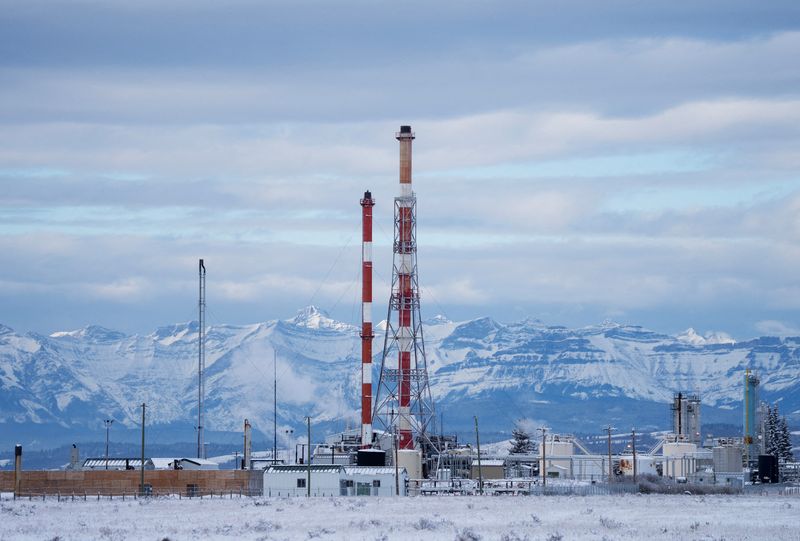
Alberta is actively promoting its abundant supply of cheap natural gas to attract technology companies to establish artificial intelligence data centres within the province, a strategy that directly conflicts with the federal government’s goal of powering the AI boom with clean energy. The move aims to alleviate a multi-year supply glut in Western Canada and secure C$100 billion in investment, yet it risks undermining Canada’s plan to link new data centre development with clean energy expansion.
Canada is the world’s fifth-largest producer of natural gas, with approximately 60% originating from Alberta. While the province boasts a cooler climate that can offset cooling costs and plenty of available land, its electricity grid is significantly more emissions-intensive than the national average. Research from York University indicates that Alberta’s grid emissions intensity is nearly five times the national average, a fact that critics argue undermines Prime Minister Mark Carney’s assertion that Canadian data centres will run on some of the cleanest power in the world.
The federal AI strategy, released on June 4, highlights that 83% of Canada’s electricity grid comes from renewables and low-emission sources. However, nearly 100 new hyperscale data centres, each demanding at least 50 megawatts of capacity, are in the works, with 90% planned for Alberta. Alberta Technology Minister Nate Glubish has described these facilities as digital pipelines and refineries designed to add value to natural gas for global markets, noting that tech companies are prioritising power availability and quick grid connection over low-carbon sources.
To bypass limits on grid capacity, the provincial government is offering new proponents the option to build their own power sources. Pembina Pipeline and partner Kineticor are expected to make a final investment decision by the end of June on a proposed 900 MW natural gas-fired generating facility for a large-scale data centre customer. CEO Scott Burrows stated that the project will create incremental demand for natural gas, helping to avoid the commodity being wasted at rock-bottom prices.
Existing operators such as Amazon, Alphabet, and Microsoft already maintain smaller-scale data centres in central Canada, but hyperscalers like Meta and Microsoft have declined to comment on expansion plans in Alberta. Amazon confirmed it has invested in two solar projects and one wind project in the province to help power its existing facilities. Meanwhile, advocates like Julia Sawatzky of Canadian Physicians for the Environment warn that the rollout of this AI data strategy represents a growing discrepancy between Canada’s stated environmental goals and the reality on the ground.