Alberta’s Natural Gas Data Centre Pitch Clashes With Federal Clean Energy Mandate
As Alberta courts tech giants with cheap gas and cool climates, federal officials insist new facilities must align with clean power goals, highlighting a growing divergence between provincial economic ambitions and national climate policy.
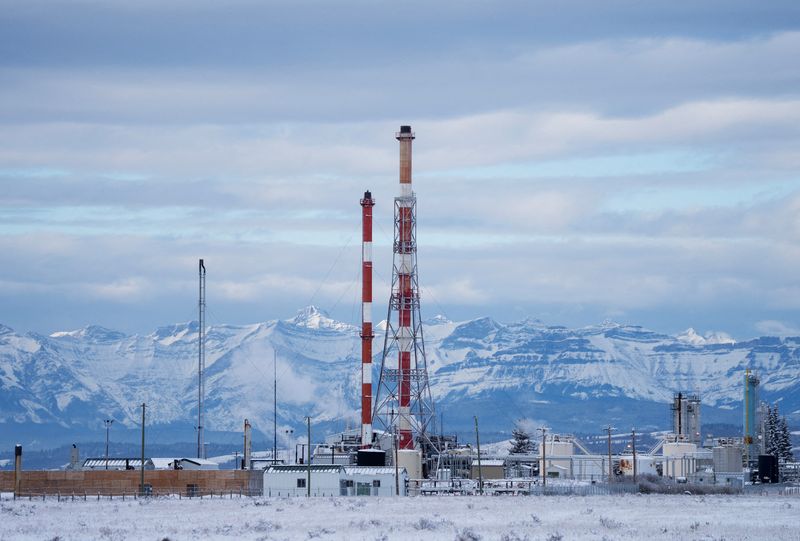
Alberta is actively promoting its abundant supply of cheap natural gas to attract technology companies seeking to build artificial intelligence data centres, a strategy that directly conflicts with the federal government’s mandate for clean energy expansion. The province aims to secure C$100 billion in investment by leveraging its fossil fuel reserves, cooler climate, and available land to offer cost-efficient operations compared to the United States. This approach risks undermining Prime Minister Mark Carney’s AI strategy, which mandates that data centres run on clean power, given that Alberta’s electricity grid is 60% powered by natural gas and has an emissions intensity nearly five times the national average.
Canada is the world’s fifth-largest producer of natural gas, with approximately 60% originating from Alberta. The province’s infrastructure and climate conditions can reduce cooling costs and capital expenses for data centres, making them more cost-efficient than in the United States, where projects face community and legislative pushback. This development could also create a new market for Western Canadian natural gas producers, who have faced a multi-year supply glut and, at times, negative prices.
Prime Minister Mark Carney has reiterated that Canadian data centres will run on "some of the cleanest power in the world," referencing the June 4 AI strategy. The federal plan highlights that more than 83% of Canada’s electricity grid comes from renewables and low-emission sources. While natural gas is cleaner than coal or oil, it remains a fossil fuel that contributes to emissions, creating a tension with the federal government’s goal to power the AI boom using clean hydro, renewables, and nuclear energy.
Research from York University indicates that nearly 90% of the nearly 100 planned hyperscale data centres in Canada are located in Alberta. Canada currently has only five functioning hyperscale data centres, which demand at least 50 megawatts of capacity. Alberta’s Technology Minister, Nate Glubish, described data centres as "digital pipelines" to help extract value from natural gas for global markets. Glubish stated that tech companies are prioritising power availability and quick grid connection over low-carbon electricity sources.
Pembina Pipeline and partner Kineticor are expected to make a final investment decision by the end of June on a proposed 900 MW natural gas-fired generating facility for a large-scale data centre project. While major tech firms including Amazon, Alphabet, and Microsoft already operate smaller-scale data centres in central Canada, Meta and Microsoft have declined to comment on expansion plans in Alberta. Amazon confirmed it has invested in two solar projects and one wind project in Alberta to help power its existing data centres.