AI slop is eroding trust in online animal imagery
As synthetic media floods social feeds, regulators in California and the European Union are moving to mandate digital tags to distinguish authentic animal content from fakes.
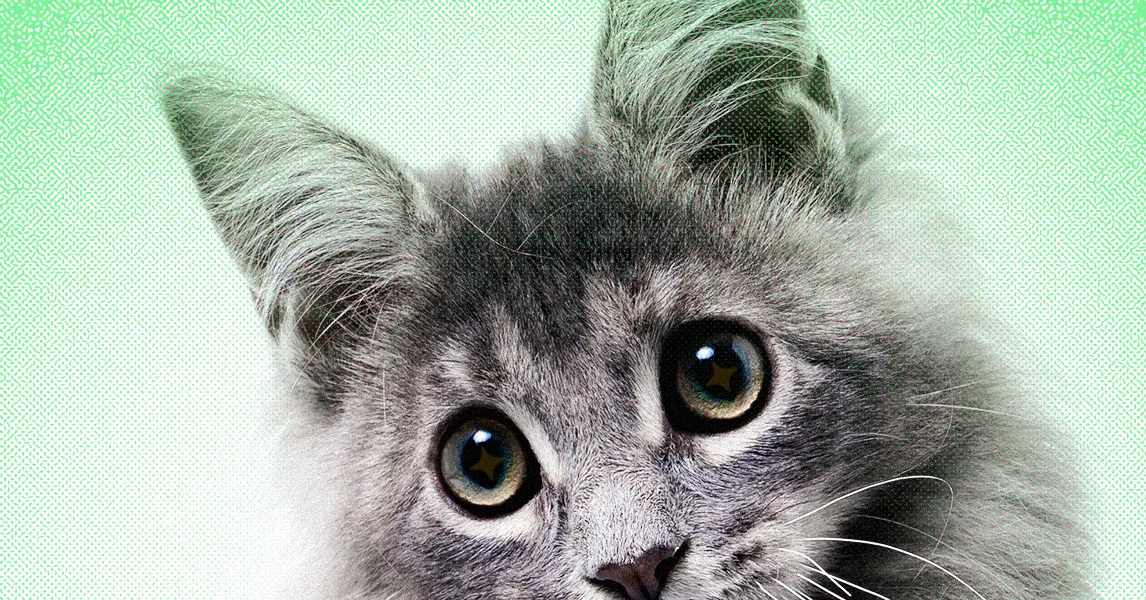
The proliferation of artificial intelligence-generated content is complicating the verification of animal imagery online, prompting calls for new safeguards from pet owners, rescue agencies, and wildlife groups. The surge in what is commonly referred to as "AI slop" has made it increasingly difficult for viewers to distinguish between real creatures and synthetic fakes, leading to widespread frustration among those who rely on authentic visual evidence for fundraising and awareness.
The issue has tangible consequences for individuals and organisations alike. Mibbby Butler, a resident of Los Angeles, was recently targeted by a scammer who used an AI-generated photo of her missing cat, Brooklyn, to demand payment for temporary care. The fake image contained garbled text on a background object, a telltale sign of AI generation that Butler eventually identified. WIRED later verified that at least one of the images sent to Butler was AI-generated by using a 29-word prompt in ChatGPT to recreate a nearly identical picture.
Established non-profits are also feeling the pressure. We Animals, a group that documents animal abuse through the work of 175 photojournalists, has faced viewer accusations of using AI despite banning the technology among its photographers. To restore confidence, the organisation plans to adopt technology that embeds provenance and editing history into digital files and will share behind-the-scenes verification clips. Eva von Jagow, the group’s marketing manager, noted that the shocking nature of their material naturally invites skepticism, making it crucial to prove authenticity.
Researchers and regulators are proposing several measures to address the growing problem. Jeff Sebo, director of the Center for Mind, Ethics, and Policy at New York University, is pushing AI developers to incorporate language into model guidelines that discourages the generation of responses potentially harmful to animals. The aim is to emphasise evidence and reason regarding animal suffering without being overly moralising.
Legislative action is also underway. New laws in California and the European Union now require popular AI image generators to embed invisible tags signalling that content was made by artificial intelligence. Social media platforms are then required to use these tags to publicly label such content. These measures are designed to provide a standardised way for consumers to identify synthetic media at a glance.
Further improvements may come through integrated verification tools. While features in ChatGPT, Gemini, and Meta AI can identify whether an image was generated by their respective chatbots, most people lack the time to upload every photo they encounter. Experts suggest that integrating these verification tools directly into messaging apps and web browsers, with privacy protections in place, could make them much more useful for the average user.
For now, the burden of verification remains largely on the individual. Butler, who still has not found her cat, spends time in a Facebook group for artists who oppose AI, seeking out content she can reliably know was created by humans. As extreme weather events become more common and fundraising for conservation efforts becomes more critical, the need for clear, verifiable digital standards is becoming increasingly urgent.